
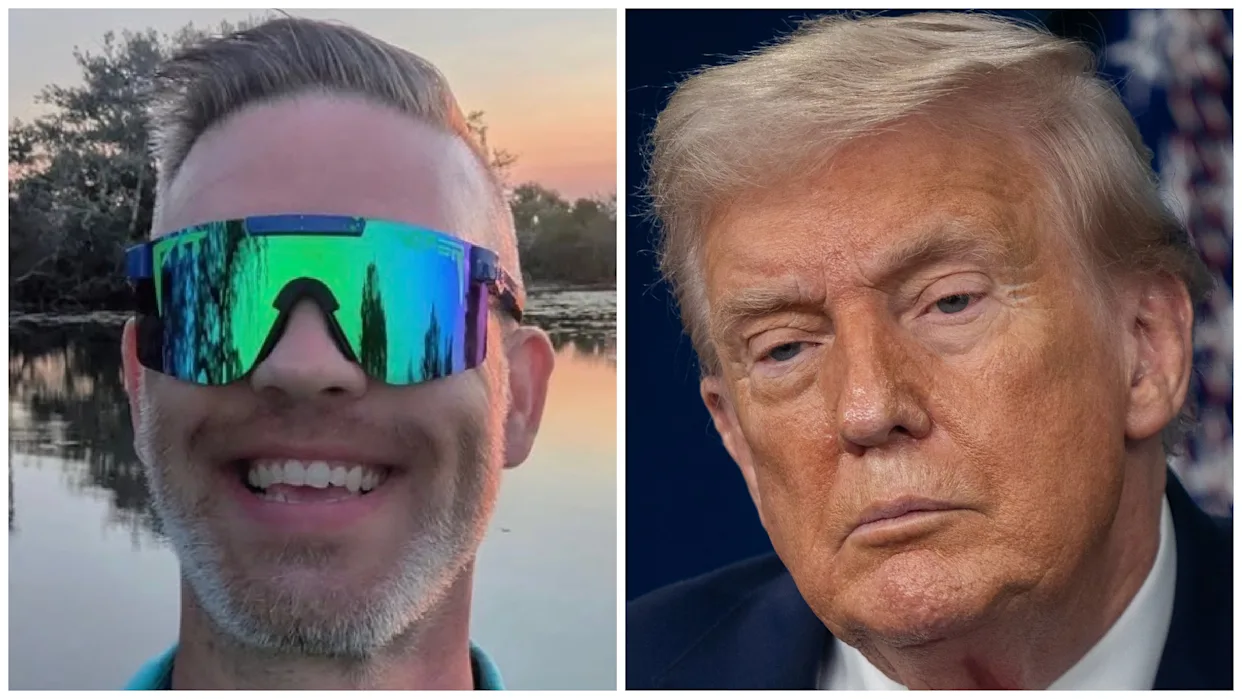
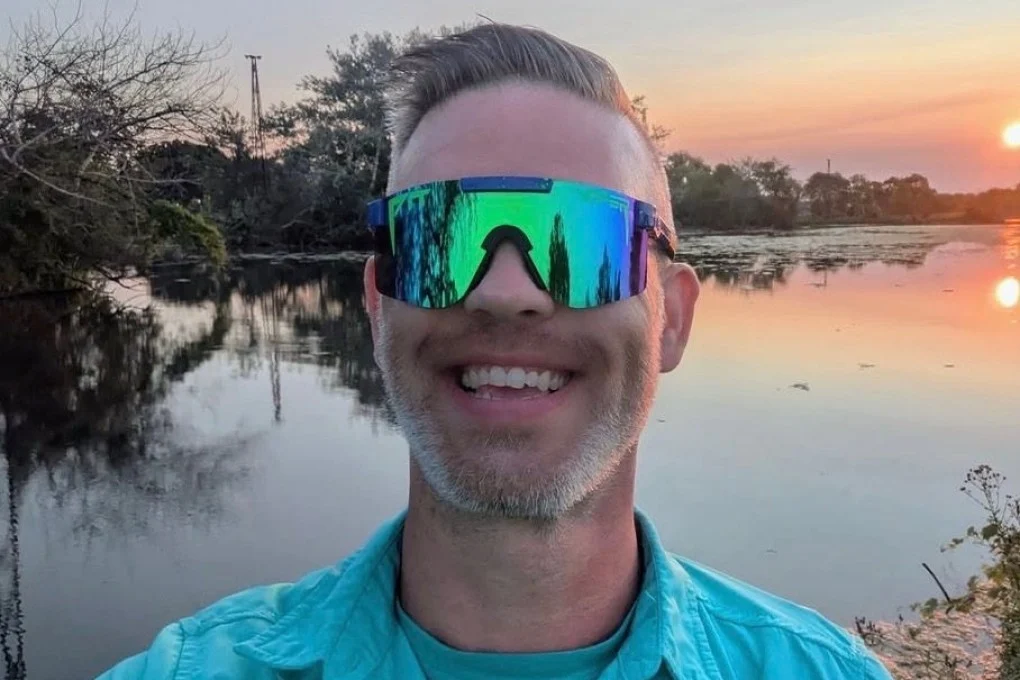
Thomas “TJ” Sabula was largely unknown outside his workplace before a brief, volatile exchange with President Donald Trump during a factory visit thrust him into the national spotlight. A longtime Ford Motor Company employee and member of the United Auto Workers (UAW), Thomas Sabula became a focal point of political, labor, and free speech debates after heckling the president during a tour of a Ford facility in Dearborn, Michigan.
His remark, calling Trump a “pedophile protector,” triggered an angry response from the president, a temporary suspension from work, and a wave of public reaction that ranged from financial support to fierce political criticism. The episode has since become emblematic of wider tensions between political power, organized labor, and individual expression in the workplace.
Background and role at Ford Motor Company
Thomas Sabula, 40, is a factory worker at Ford Motor Company’s Dearborn facility, one of the automaker’s most prominent plants and a key site for production of the Ford F-150 pickup truck. As an hourly employee, Sabula is represented by the United Auto Workers union, which has long played a significant role in shaping labor relations within the American auto industry.
Like many workers at large manufacturing plants, he had spent years largely anonymous outside his immediate professional circle, his job defined by the routines and demands of industrial production rather than by public political engagement. Ford’s Dearborn operations are symbolically important, both to the company and to American manufacturing more broadly.
They are often used as backdrops for political visits meant to highlight domestic industry, employment, and economic policy. President Trump’s appearance at the plant last month was framed as such an event, intended to showcase American manufacturing strength and connect the administration with blue-collar workers. It was within this controlled and highly visible environment that Sabula’s spontaneous outburst occurred.
According to union officials, Sabula was temporarily suspended following the incident, a common initial response while employers assess potential breaches of conduct during high-profile visits. However, Laura Dickerson, a vice president of the UAW, later confirmed that Sabula was allowed to return to work without any disciplinary marks on his record. From the union’s perspective, the matter was resolved internally and did not warrant lasting punishment, reflecting a broader commitment to protecting members’ rights and due process.
Ford employee TJ Sabula, who told Trump to his face that he's a 'Pedophile Protector' is BACK at work at Ford.
— ᗰᗩƳᖇᗩ (@LePapillonBlu2) February 5, 2026
And he's $800,000 richer from a GoFundMe… pic.twitter.com/zMRHNgGFUj
Ford Motor Company itself declined to dismiss Sabula, despite the intensity of the exchange and the political sensitivity surrounding it. Bill Ford, the company’s executive chairman and great-grandson of founder Henry Ford, described the incident as unfortunate and said he was embarrassed by it, but the company ultimately allowed the worker to resume his duties. This decision underscored Ford’s attempt to balance corporate image concerns with labor relations and contractual obligations under union agreements.
The confrontation with President Trump
The confrontation that brought Sabula national attention unfolded rapidly and was captured on video, ensuring that it would circulate widely beyond the factory walls. As President Trump, then 79, toured the facility, Sabula shouted the phrase “pedophile protector,” a remark that appeared to reference ongoing controversies and conspiracy-laden debates surrounding the so-called Epstein files and allegations about elite protection of sexual offenders. The comment was sharp, provocative, and aimed directly at the president during a moment designed to project unity and support.
Trump reacted angrily. Video footage showed him making an obscene gesture toward Sabula and saying, “F–k you,” before reportedly adding, “You’re fired.” The response was notable not only for its language but also for its symbolism. The phrase “You’re fired” carried obvious connotations of Trump’s former role as host of the television programme The Apprentice, where it became his signature line. In this context, however, the remark had no legal or practical authority, as the president does not have the power to terminate a private-sector unionized employee.
Read : Highmark Health Employee Timothy Haver Charged with Contaminating Co-Worker’s Mug with Bodily Fluid
Laura Dickerson later addressed this aspect directly while speaking to a crowd in Washington. Emphasizing that Sabula’s job was never truly at risk, she remarked, “This ain’t The Apprentice,” a line that resonated widely in media coverage. Her comment framed the exchange as an example of political theater colliding with the realities of labor law and union protections.
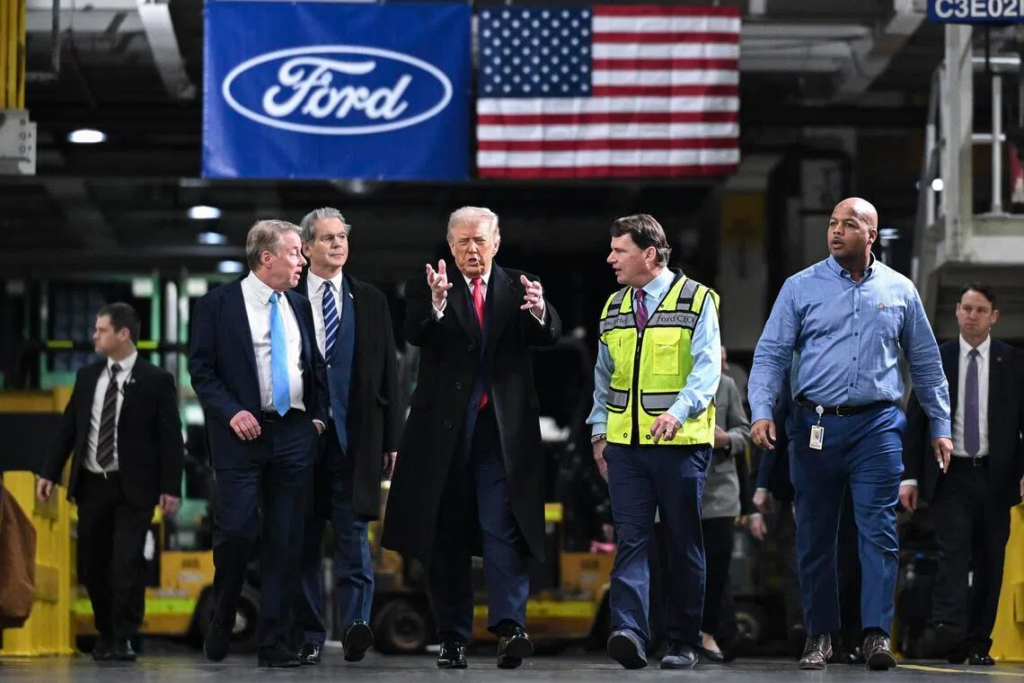
The incident quickly became a focal point for discussions about presidential behavior and public interactions with workers. Supporters of the president criticized Sabula for what they viewed as disrespectful conduct during an official visit, arguing that such events are not appropriate venues for personal political attacks. Critics of Trump, by contrast, focused on the president’s response, characterizing it as emblematic of contempt for working people and intolerance of dissent.
Dickerson reinforced this interpretation in her remarks, describing the worker as someone who “famously told Trump exactly what he thought of him.” She added that the president’s reaction, including the obscene gesture, revealed “what the current president really thinks about working people.” In this telling, the episode was not merely an isolated insult but a revealing moment in the broader relationship between political leadership and the labor force.
Public reaction, political fallout, and broader implications
The aftermath of the confrontation extended far beyond the Ford plant, spilling into national politics, online activism, and fundraising efforts. A crowdfunding campaign launched in support of Sabula raised more than $800,000 before being suspended, an extraordinary sum that highlighted the depth of feeling among his supporters. Donors praised him for confronting the president and for drawing attention to what they described as the administration’s handling of sensitive allegations related to the Epstein case. For these supporters, Sabula became a symbol of ordinary workers speaking truth to power.
At the same time, the worker’s reinstatement drew sharp criticism from some Republicans. Representative Tim Burchett of Tennessee acknowledged that Sabula had a legal right to speak but suggested that such actions would have led to termination in his own state. “I guess he has a First Amendment right, but in Tennessee, we have a right to fire his a–,” Burchett said in remarks to MeidasTouch. His comments reflected a broader conservative critique that emphasized workplace discipline and questioned the appropriateness of political expression on the job.
The debate also revived long-standing questions about the limits of free speech in private workplaces, particularly unionized ones. While the First Amendment protects individuals from government censorship, it does not generally prevent private employers from imposing consequences for speech. In Sabula’s case, union protections and Ford’s own assessment of the situation combined to prevent lasting disciplinary action. The outcome illustrated how collective bargaining agreements and labor advocacy can shape the practical realities of speech rights at work.
From Ford’s standpoint, the decision not to dismiss Sabula may have been influenced by a desire to avoid escalating the situation or appearing to take sides in a polarizing political dispute. Bill Ford’s expression of embarrassment suggested discomfort with the spectacle rather than endorsement of either party’s behavior. By allowing Sabula to return without a negative mark on his record, the company effectively signaled that the incident, while regrettable, did not rise to the level of a terminable offense.
For organized labor, the episode served as a reminder of the importance of union representation in protecting workers during moments of controversy. The UAW’s role in confirming Sabula’s reinstatement and defending his position reinforced its image as a buffer between individual employees and powerful external pressures, whether political or corporate.
In the broader cultural landscape, Thomas Sabula’s name has become shorthand for a particular kind of confrontation: a single worker challenging a president in a highly choreographed setting. Whether viewed as an act of courage or of impropriety, the moment captured on video ensured that Sabula would be remembered not just as a Ford employee, but as a participant in a defining political flashpoint. The incident continues to be cited in discussions about civility, dissent, and the evolving relationship between political leaders and the working class, long after the factory tour itself has faded from the news cycle.