

The recovery of three more bodies from Houston-area bayous has once again fueled public speculation about the existence of a serial killer operating in the city, reviving fears that have periodically surfaced over the past several years. In 2025 alone, local media report that 34 bodies have been pulled from waterways across Harris County, a figure approaching last year’s total of 35.
While the number has drawn intense attention on social media and prompted anxious conversations among residents, Houston officials and law enforcement leaders continue to insist there is no evidence linking the deaths to a single individual or coordinated criminal pattern. The renewed rumors reflect a broader tension between public perception shaped by viral narratives and the conclusions drawn from long-term data, forensic reviews, and official investigations.
Houston’s extensive network of bayous, creeks, and drainage channels is an integral part of the city’s geography, but it also presents persistent safety risks that have historically contributed to accidental deaths, suicides, and other isolated incidents. As authorities work to balance transparency with caution against misinformation, the latest discoveries have reopened debate over whether the frequency of these deaths represents a statistical anomaly or a misunderstood but longstanding urban reality.
Rising Numbers and the Revival of Public Fear
The immediate catalyst for the resurgence of serial killer rumors was the discovery of three additional bodies recovered from local bayous in a single week. This brought the 2025 total to 34, according to reports cited by local outlets, a number that has circulated widely online and prompted comparisons to previous years. For many residents, the accumulation of such figures has created a sense that something more sinister may be occurring beneath the surface.
Residents interviewed by local television station ABC13 voiced a growing distrust of official reassurances. One Houston resident, Erick Cortez, said the sheer number of deaths made it difficult for him to believe there was no connection between them. Another resident, Juan Sandoval, echoed that concern, arguing that the situation had reached a point where it was attracting national attention on social media platforms, even appearing in feeds far beyond Texas. Such comments highlight how digital amplification can intensify local fears, turning statistics into narratives that feel personal and urgent.
The perception of a pattern is further reinforced by year-over-year comparisons. In 2024, 35 bodies were reportedly recovered from bayous in the Houston area, a figure that already seemed alarming to many observers. With 2025 nearing that total before the year’s end, speculation has naturally escalated. Online posts and videos often frame the deaths as evidence of a hidden serial offender, sometimes citing maps, timelines, or selective details to suggest intentional dumping of victims in waterways.
Read : Rivers of Endless Majesty: Exploring Earth’s Top 10 Longest Waterways
However, law enforcement officials emphasize that numbers alone do not establish criminal linkage. They point out that Houston’s population size, geographic sprawl, and extensive waterways mean that raw totals can be misleading when taken out of context. Without consistent forensic indicators such as similar causes of death, shared victim profiles, or overlapping timelines, investigators argue that speculation risks overshadowing the facts established through medical examiner reports and police casework.
Official Denials and the Role of Long-Term Data
In response to earlier waves of speculation, Houston Police Chief Noe Diaz and Mayor John Whitmire held a joint press conference in September to directly address the rumors. Their message was unequivocal: there is no evidence to support claims of a serial killer targeting victims and disposing of bodies in the bayous. Diaz warned that unfounded rumors can heighten fear and anxiety within communities, complicating both public safety efforts and ongoing investigations.
Mayor Whitmire underscored the historical context often missing from online discussions. He noted that drowning and accidental deaths in Houston’s bayous are not a new phenomenon, pointing to the city’s roughly 2,500 miles of waterways. Over decades, these channels have been associated with a wide range of incidents, from floods and traffic accidents to intoxication-related falls and suicides. According to Whitmire, ignoring this broader backdrop creates a distorted picture that can easily be misinterpreted as evidence of coordinated violence.
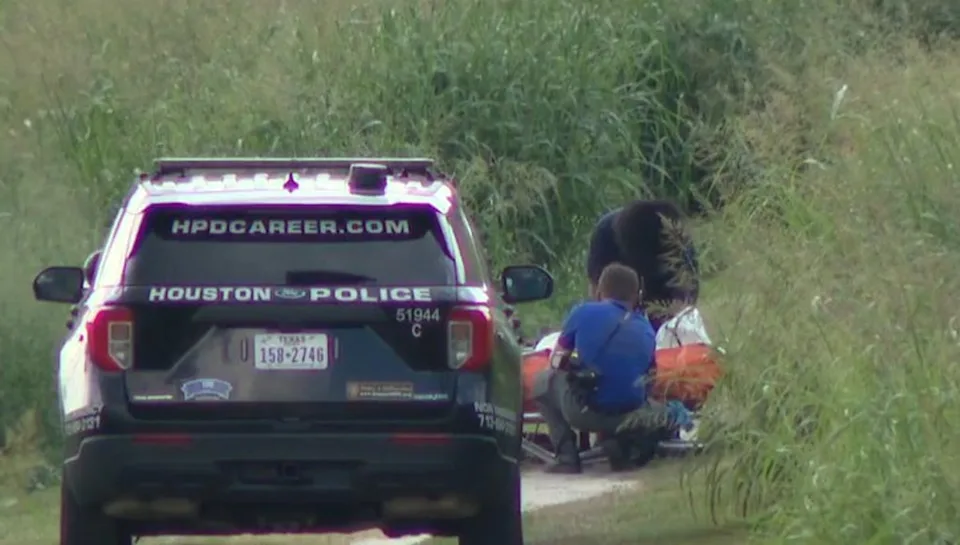
Supporting these statements is an extensive analysis conducted by the Houston Chronicle, which reviewed Harris County medical examiner records from 2017 through November 2025. That review identified 201 recorded deaths in bayous over the period. Importantly, approximately 40 percent of those deaths were attributed to drowning, with circumstances varying widely from case to case. Other causes included medical emergencies, accidents, and cases where foul play was ruled out after investigation.
Retired Houston Police Captain Greg Fremin reinforced this perspective in comments to ABC13, cautioning residents against drawing conclusions based solely on numbers. He described Houston as relatively safe for a city of its size, while acknowledging that crime and tragic incidents do occur. According to Fremin, vigilance and situational awareness are always necessary, but the available evidence does not support fears of a serial killer operating unchecked across the city’s waterways.
Social Media, Misinformation, and Community Anxiety
Despite official reassurances, the persistence of serial killer rumors illustrates the powerful role social media plays in shaping public understanding of crime. Platforms that prioritize engagement can rapidly spread emotionally charged content, especially when it involves unexplained deaths or perceived threats. In the case of Houston’s bayous, short videos, speculative posts, and unverified claims have often traveled faster than official statements or detailed investigative findings.
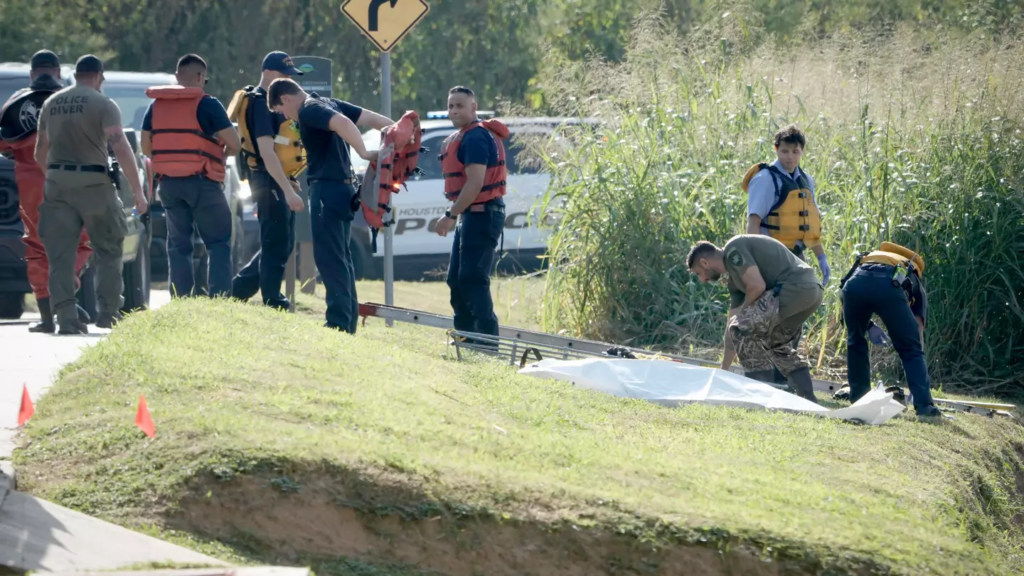
This dynamic creates a feedback loop in which fear drives attention, attention fuels more speculation, and speculation reinforces fear. Residents encountering repeated references to body counts or ominous narratives may come to believe that authorities are withholding information, even in the absence of supporting evidence. Officials have warned that such misinformation can undermine trust, divert resources, and cause unnecessary distress to families already affected by loss.
At the same time, the anxiety expressed by residents cannot be dismissed outright. Public concern often reflects genuine questions about safety, transparency, and accountability. When deaths occur in public spaces, particularly in clusters that appear alarming at first glance, it is natural for communities to seek explanations that go beyond statistics. The challenge for authorities lies in communicating complex data clearly and consistently, while acknowledging the emotional impact of repeated tragedies.
The ongoing scrutiny has also drawn national attention, with outlets outside Texas referencing Houston’s bayous in broader discussions about urban crime and safety. This external focus can further entrench local fears, as residents see their city portrayed as a potential crime hotspot. Officials have reiterated that each death is investigated individually, with findings based on forensic evidence rather than public speculation.
As 2025 draws to a close, the debate surrounding the bayou deaths remains unresolved in the public mind, even as law enforcement maintains its position. The contrast between viral narratives and official data underscores a broader issue facing many large cities: how to address legitimate public concern without allowing misinformation to define reality. In Houston, the recovery of three more bodies has once again brought this tension to the forefront, ensuring that discussions about safety, trust, and evidence will continue alongside the ongoing investigations.