

The recent announcement of changes to inheritance tax rules, dubbed the “Tractor Tax,” has sent shockwaves through farming communities across England, Scotland, and Northern Ireland.
With mass protests, tractor blockades, and mounting pressure on policymakers, the proposed reforms have raised deep concerns over the future of agricultural businesses.
The Impact of the Tractor Tax on England and Scotland’s Farms
From April 2026, inheritance tax will apply to agricultural and business assets exceeding £1 million, with a 50% relief, resulting in an effective tax rate of 20%.
The Agriculture and Horticulture Development Board (AHDB) has projected that this policy will impact 76.8% of farms across England and Scotland—an alarming statistic that has left many farm owners worried about their economic viability.
Out of 54,938 farms, approximately 42,204 will face higher taxation under the new rules. The data highlights that farms primarily engaged in cereal and general crop production are most at risk due to their asset-heavy nature.
Livestock farms and mixed farming operations are also significantly affected, particularly those run by single-person owners. This has created a sense of urgency for many farm owners to reevaluate their business strategies and prepare for an uncertain future.
Read : Farmer Protest in London: Thousands Rally Against Inheritance Tax
Tom Spencer, an AHDB analyst, emphasized the disproportionate impact on cereal and general cropping farms, given their scale and capital investment. He noted, “Livestock farms with single-person ownership face particular challenges, making succession planning and expert guidance more critical than ever.”
Read : British Farmer’s Rolex Watch Eaten by Cow in 1970 Recovered After 50 Years
These farms are often passed down through generations, and the added financial burden threatens to disrupt this tradition, potentially forcing many families out of farming altogether.
Protests Erupt Across the UK
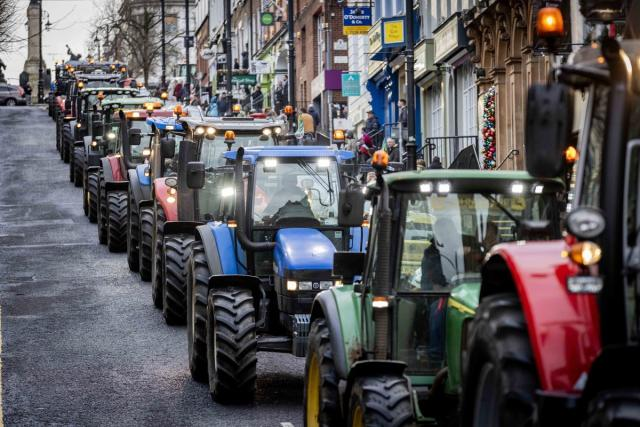
In response to the proposed changes, farmers across the UK have taken to the streets in a series of highly visible protests. In Northern Ireland, lines of tractors rolled through city centers, including Londonderry, as members of the Ulster Farmers Union voiced their opposition.
Similar scenes unfolded in London, where tractors were parked on the lawns of Whitehall, drawing national attention to the farmers’ plight. The protests have highlighted the anger and frustration among farmers, who feel that their livelihoods are under threat.
Many see the changes as a direct attack on the farming community, which already faces numerous challenges, including fluctuating market prices, rising input costs, and the ongoing effects of climate change. For farmers, the “Tractor Tax” is yet another obstacle that adds to the financial and emotional strain of running an agricultural business.
Victoria Atkins, the shadow environment secretary, has called on the government to address the human cost of these changes. She urged officials to record the number of farmers dying by suicide, arguing that the policy’s implications extend beyond financial concerns. “Pensioners, family businesses, and farmers are paying the price for Labour’s economic illiteracy,” she stated, pushing for a comprehensive review of the policy.
Farmers have also expressed concern about the long-term impact on rural communities. Many worry that the increased tax burden could lead to the consolidation of smaller farms into larger corporate entities, eroding the fabric of rural life. The protests are not just about taxes—they are a cry for help from a community that feels overlooked and undervalued.
Navigating the Challenges Ahead
As the implementation date for the new rules approaches, farmers are being urged to take proactive steps to mitigate the impact. The AHDB has emphasized the importance of seeking expert tax and business planning advice, particularly for those most at risk. Succession planning, already a critical aspect of agricultural businesses, has now become essential.
David Eudall, the AHDB’s economics and analysis director, highlighted the board’s efforts to support farmers during this challenging time. “Our priority is to help explain how this will impact many levy payers and support them in navigating a path through these challenges,” he said. Identifying farms at risk is the first step, enabling owners to review their circumstances and implement appropriate measures.
Farmers are encouraged to consider strategies such as restructuring their businesses, exploring diversification opportunities, and working closely with financial advisors to minimize their tax liabilities. While these measures may not completely eliminate the burden, they can help reduce the impact and provide a clearer path forward.
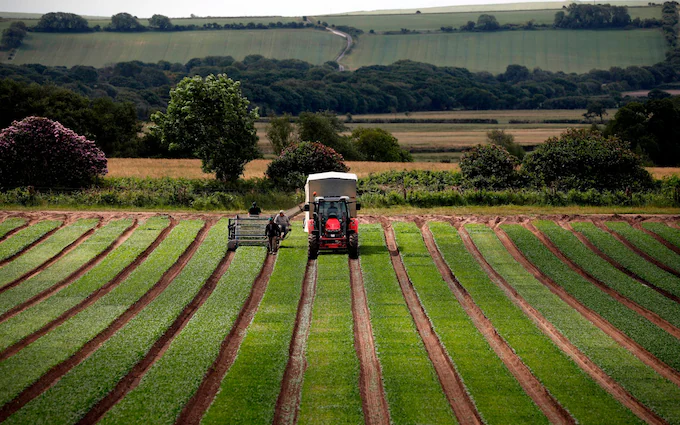
The government has defended the policy, citing its commitment to investing £5 billion into farming over the next two years. Officials argue that this is the largest budget for sustainable food production in the country’s history and claim that reforms will boost farmers’ profits by supporting British produce and easing planning rules on farms.
However, many in the farming community remain skeptical, viewing these measures as insufficient to offset the challenges posed by the “Tractor Tax.”
The proposed inheritance tax changes have sent shockwaves through the farming communities of England and Scotland, with more than three-quarters of farms expected to be affected. The mass protests and widespread opposition underscore the deep concerns among farmers about the future of their businesses and the broader agricultural sector.
While the government has pledged to support the industry through investments and reforms, the immediate priority for many farmers is to navigate the complexities of the new tax rules.
The “Tractor Tax” represents more than just a financial challenge—it is a test of resilience for farming families, rural communities, and the agricultural sector as a whole.
As protests continue and the debate rages on, the voices of farmers must be heard, and their contributions to society recognized. The path forward will require collaboration, innovation, and a genuine commitment to safeguarding the future of British agriculture.