
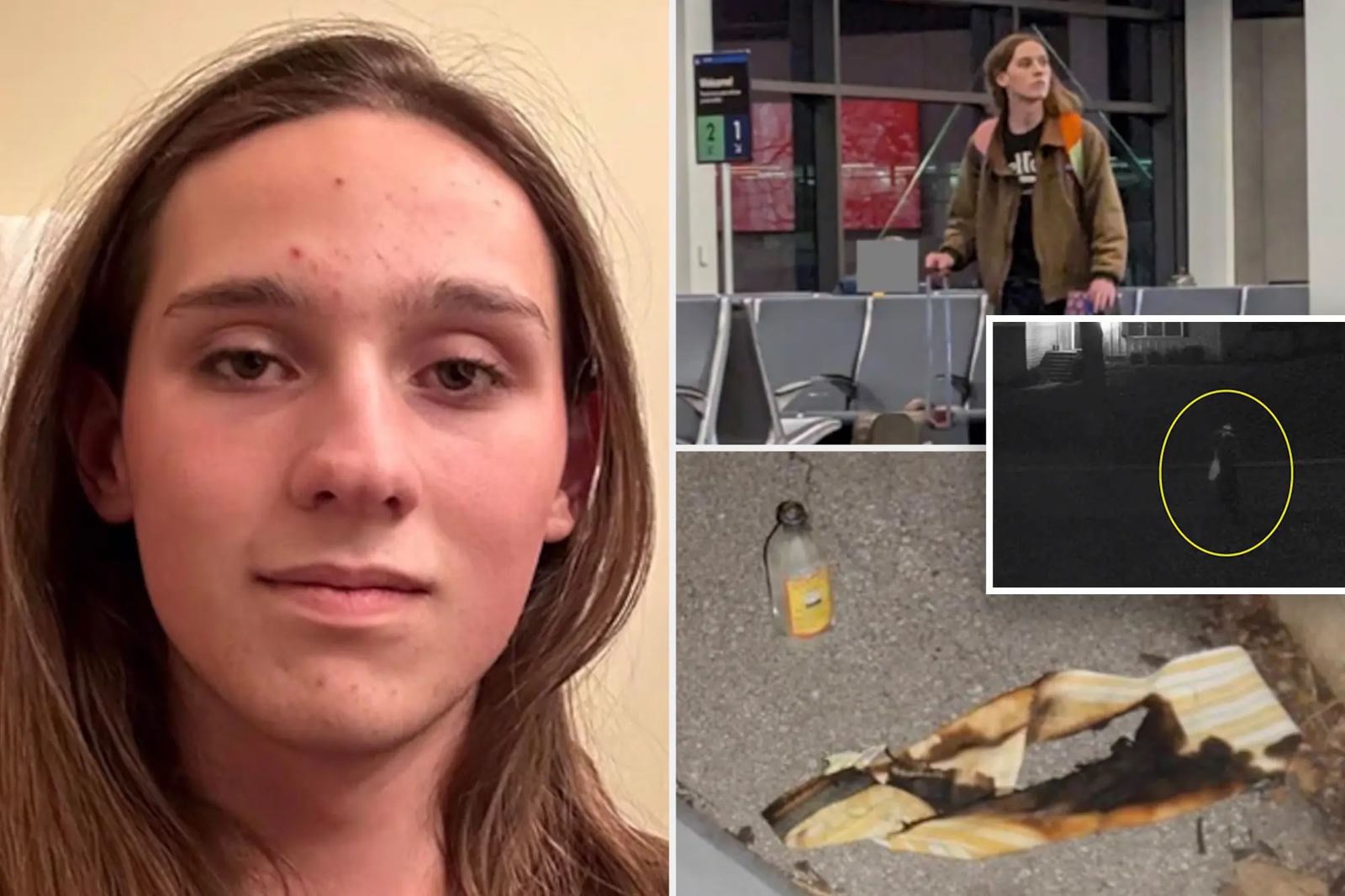
In a shocking incident that has drawn national attention, a UMass Boston student, Owen McIntire, was arrested for allegedly throwing Molotov cocktails at Tesla dealership in Kansas City, Missouri. The attack, which took place during McIntire’s spring break, has raised serious concerns about the growing trend of attacks on Tesla properties across the United States.
Federal authorities have charged Owen McIntire with federal offenses, and the case has sparked discussions about the use of violence in political protests. In this blog, we will delve deeper into the details of the incident, the charges against McIntire, and the broader implications of this violent act.
The Incident: A Destructive Attack on Tesla Vehicles
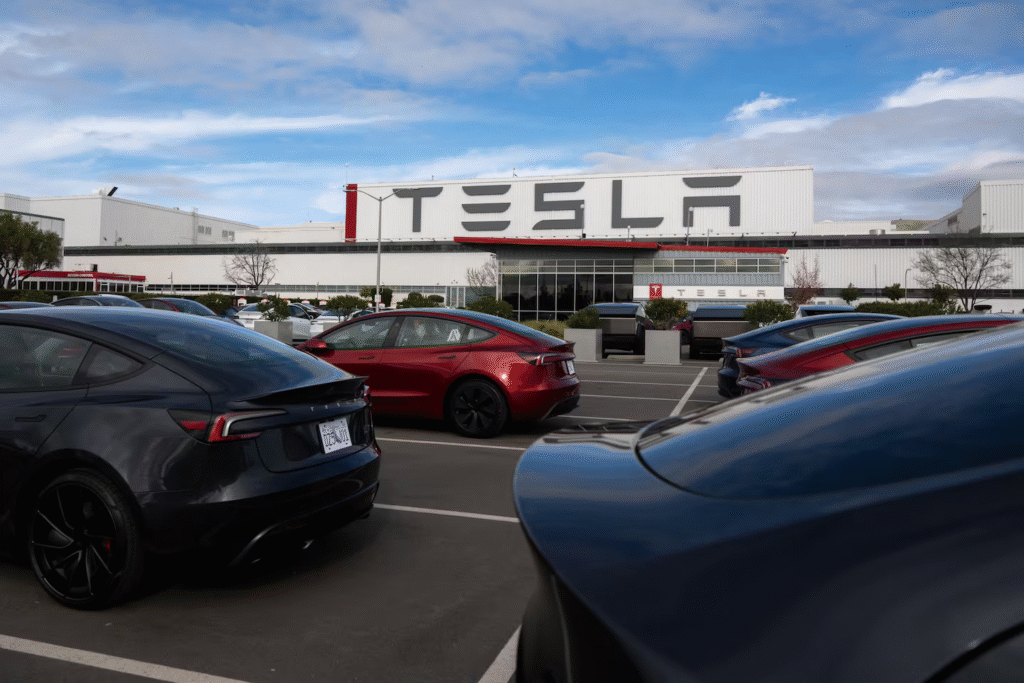
The attack took place on the night of March 17 at the Tesla Center in Kansas City, Missouri. According to the criminal complaint filed in the Western District of Missouri, Owen McIntire, 19, allegedly used Molotov cocktails to target two Cybertrucks in the dealership’s parking lot.
A local police officer, who was on patrol, noticed smoke emanating from a gray Cybertruck parked in the lot. Upon further investigation, the officer discovered an unbroken Molotov cocktail near the burning vehicle. This device, a known incendiary weapon, was likely the cause of the fire that spread to another Cybertruck in the lot.
The Kansas City Fire Department was immediately called to the scene and managed to extinguish the fire. Fortunately, there were no injuries reported. However, the damage caused by the attack was significant.
The two Cybertrucks, which were valued at over $100,000 each, were severely damaged. In addition to the vehicles, two charging stations were also affected by the fire, each costing around $550 to replace. The total damage caused by the attack is believed to be substantial, not just in terms of property destruction but also in the potential financial losses to the dealership.
Read : Man in Tesla Arrested After Bomb Threat at Agua Caliente Casino Targeting Coachella Festival
Federal investigators quickly began their probe into the attack, and McIntire was identified as the prime suspect. He was arrested without incident on Friday, shortly before making his appearance in U.S. District Court in Massachusetts. The arrest marks a significant development in a string of similar attacks on Tesla properties across the United States.
BREAKING: FBI arrested Owen McIntire, a 19-year-old college student in Boston, for reportedly throwing a Molotov cocktail at a Tesla facility in Kansas City, MO, while home on spring break. pic.twitter.com/4TWvuAVUvf
— KanekoaTheGreat (@KanekoaTheGreat) April 18, 2025
These attacks are reportedly motivated by anger over Tesla CEO Elon Musk’s role in the Trump administration’s efforts to reduce the federal workforce and government spending. The rising wave of anti-Tesla sentiment has created an environment in which some individuals feel justified in resorting to violence to express their frustrations.
The Charges Against Owen McIntire
Owen McIntire faces two serious federal charges stemming from the firebombing of the Tesla dealership. The first charge is unlawful possession of an unregistered destructive device, which refers to his alleged possession and use of Molotov cocktails, a homemade incendiary device. Under federal law, it is illegal to possess or use such devices without proper registration or authorization.
The second charge against Owen McIntire is malicious damage by fire of any property used in interstate commerce. This charge is particularly significant because the Tesla dealership, which was targeted in the attack, is a business that engages in interstate commerce.

According to federal law, destroying property used in interstate commerce is considered a federal crime and carries severe penalties. The charge reflects the seriousness of the offense and the potential consequences for Owen McIntire if he is convicted.
James Crowley, the Acting Special Agent in Charge of the FBI’s Boston Division, issued a statement condemning the attack, emphasizing that violence is never an acceptable form of protest.
“Peacefully protesting is protected activity. Arson and destruction of property are violent crimes,” Crowley said. He further stressed that the FBI, working with its law enforcement partners, would continue to investigate and bring those responsible for such violent acts to justice.
While the charges against Owen McIntire are severe, the case also raises important questions about the growing trend of politically motivated violence in the United States. In an era where public figures and corporations are increasingly targeted by individuals with strong ideological beliefs, it is crucial to address the role of violence in political expression and to explore alternative methods of protest that do not harm people or property.
The Role of Political and Social Tensions
The attack on the Tesla dealership is not an isolated incident but part of a broader pattern of violence directed at companies and individuals associated with certain political ideologies. Investigators have suggested that McIntire’s actions were driven by political motivations, particularly his anger toward Tesla CEO Elon Musk’s involvement in the Trump administration’s policies.
Musk, a prominent figure in the tech and automotive industries, has been a polarizing figure in American politics. His stance on various issues, including his support for certain government policies, has made him the target of criticism and protest from different political factions.
The recent surge in attacks on Tesla vehicles and properties highlights the deepening political divisions in the United States. As political tensions rise, some individuals may feel compelled to take extreme measures to voice their opposition to the actions of public figures or corporations.
In McIntire’s case, his alleged use of Molotov cocktails to target Tesla vehicles may have been his way of expressing dissatisfaction with Musk’s role in government policies. However, as law enforcement officials have emphasized, violence is never an acceptable form of protest, and such actions only escalate tensions and lead to further harm.
It is also worth noting that the incident occurred during McIntire’s spring break, a time when many college students take time off from their studies to relax and recharge. This raises the question of how much influence social media and online communities may have played in McIntire’s decision to carry out the attack.
In recent years, there has been growing concern about the role of social media in radicalizing individuals and fostering a sense of anger or resentment toward certain political figures or institutions. For McIntire, the online rhetoric surrounding Elon Musk and Tesla may have contributed to his belief that violent action was a justified response to his frustrations.
While the motivations behind McIntire’s alleged actions remain unclear, the attack on the Tesla dealership serves as a reminder of the dangers of political extremism and the need for constructive dialogue in addressing societal issues.
There are many ways to express disagreement or dissatisfaction with the actions of public figures, but resorting to violence only undermines the message and causes harm to innocent people and businesses.
The Importance of Peaceful Protest and Legal Accountability
The arrest of Owen McIntire for allegedly firebombing a Tesla dealership serves as a stark reminder of the dangers of politically motivated violence. While it is important for individuals to express their opinions and advocate for change, it is equally important to do so through peaceful and lawful means. Violence only escalates tensions and creates a cycle of harm that ultimately undermines the very causes that individuals seek to promote.
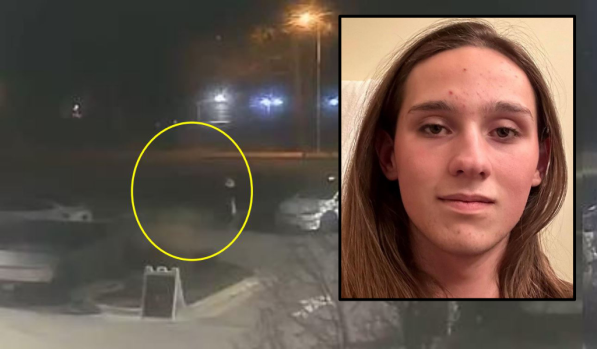
Owen McIntire’s case is part of a broader trend of violence targeting companies and individuals associated with certain political ideologies. The rise in such attacks highlights the need for society to address the root causes of political polarization and to encourage respectful and peaceful forms of protest.
As the legal proceedings against Owen McIntire unfold, it is crucial for the justice system to send a strong message that violence has no place in political discourse. As for McIntire, he now faces serious federal charges, and the outcome of his case will likely have broader implications for the future of political protests in the United States.
Regardless of his motivations, his actions have led to significant property damage and have put innocent people at risk. The case serves as a reminder that there are productive and non-violent ways to express one’s views, and that those who resort to violence must be held accountable for their actions.