
Tiger Woods has long stood as one of the most recognizable and influential figures in modern sports, a name synonymous with excellence, discipline, and dominance in professional golf. Over the decades, his career has been defined by record-breaking victories, global fame, and a transformative impact on the sport itself. However, alongside his extraordinary achievements, Woods’ personal life and legal troubles have frequently drawn public scrutiny.
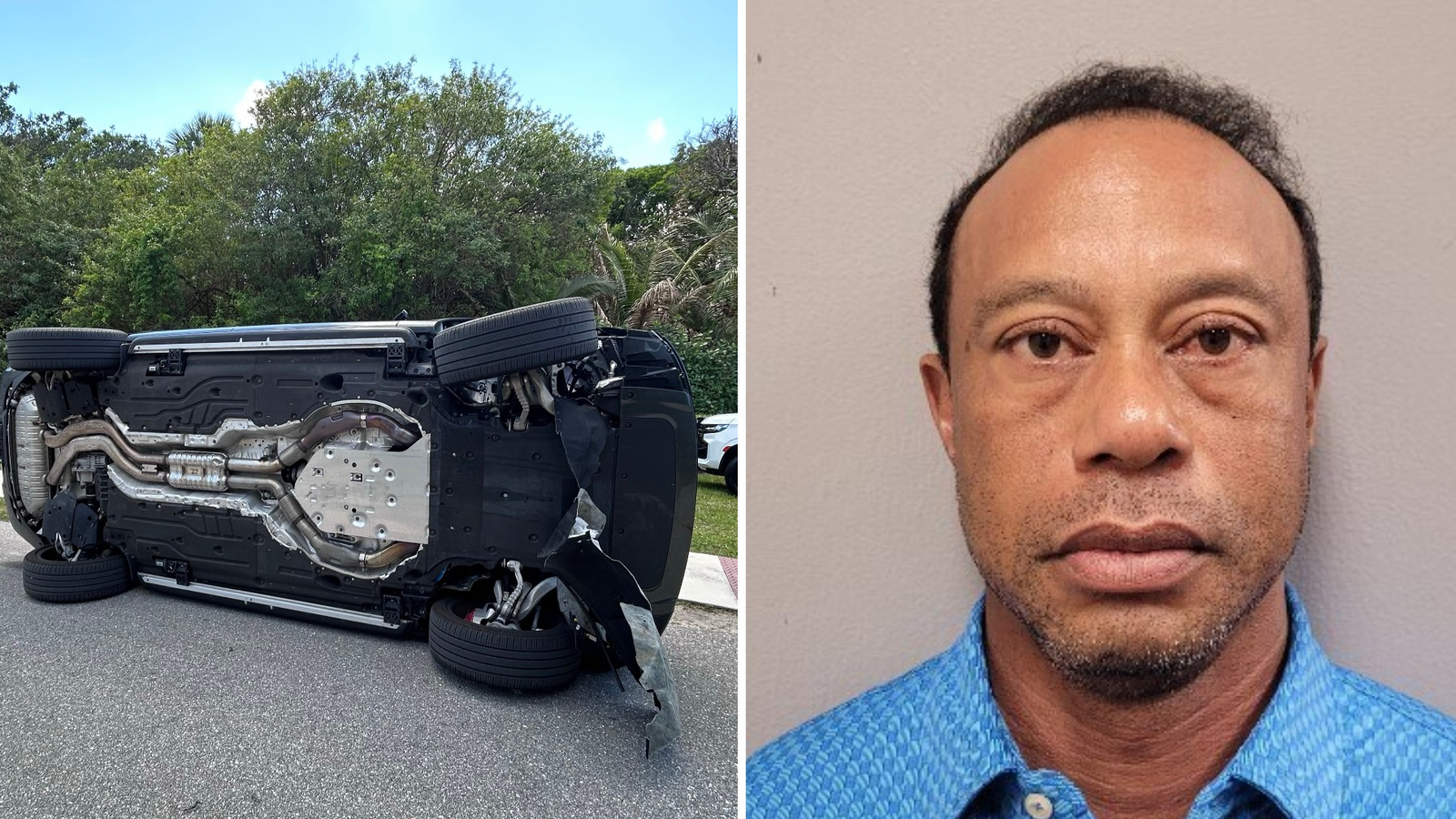
His recent arrest following a rollover car crash in Florida has once again placed him at the center of attention, raising questions not only about the incident itself but also about the legal implications he now faces. The latest case revolves around charges of driving under the influence with property damage and refusal to submit to a lawful test, both categorized as misdemeanors under Florida law.
While no alcohol was detected in a breath test administered at the jail, Woods’ refusal to provide a urine sample has become a critical aspect of the case. This development has sparked broader discussions about implied consent laws, the challenges of proving impairment without chemical evidence, and how such cases are handled in the legal system. At the same time, the situation has renewed interest in Woods’ life story, his career, and the series of events that have shaped his public image over the years.
A Career That Redefined Modern Golf
Tiger Woods’ rise to prominence began at an early age, fueled by exceptional talent and relentless determination. From his amateur successes to his groundbreaking entry into professional golf, Woods quickly established himself as a dominant force. His victories in major tournaments not only elevated his status but also reshaped the global appeal of the sport, drawing in new audiences and inspiring a generation of players.
Throughout his career, Woods demonstrated an unmatched combination of skill, mental toughness, and competitive intensity. His ability to perform under pressure became a defining characteristic, particularly in high-stakes tournaments where he often outperformed his rivals. His influence extended beyond the golf course, as he became a global sports icon whose presence transcended the boundaries of the game.
However, Woods’ journey has not been without setbacks. Injuries have repeatedly interrupted his career, forcing him to undergo multiple surgeries and lengthy rehabilitation periods. Despite these challenges, he has staged remarkable comebacks, reinforcing his reputation as one of the most resilient athletes in sports history. His return to winning major championships after years of physical and personal struggles remains one of the most celebrated narratives in golf.
Read : Here are the Reasons That Make Iceland the Safest Country in the World
At the same time, Woods’ personal life has often been the subject of intense media scrutiny. Incidents outside the golf course have periodically overshadowed his professional achievements, creating a complex public image that blends admiration with controversy. The latest DUI-related case is another chapter in this ongoing narrative, highlighting the challenges he continues to face beyond his sporting career.
The Florida Crash and Legal Complications
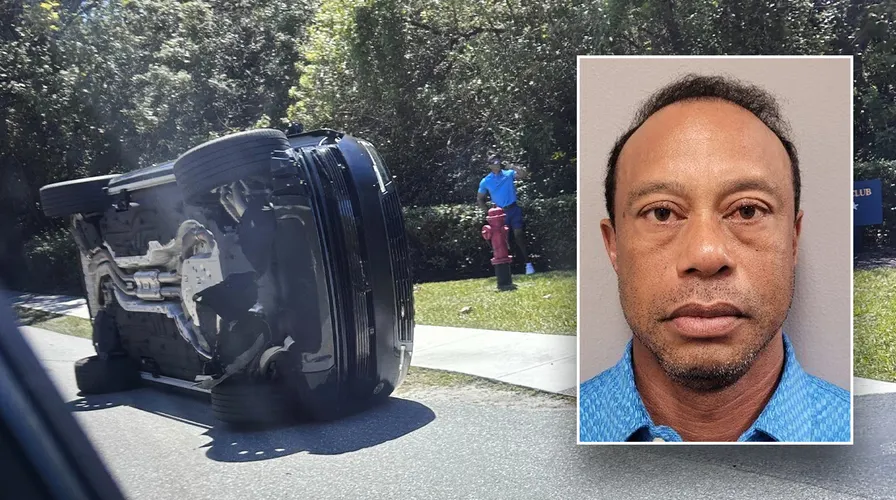
The recent incident occurred following a rollover car crash near Woods’ residence in Florida. According to law enforcement reports, a deputy at the scene observed signs that Woods’ normal faculties may have been impaired, leading to his arrest. While a breath test conducted later showed no presence of alcohol, the situation became more complicated when Woods declined to provide a urine sample to test for drugs or other substances.
Under Florida’s implied consent law, drivers are considered to have agreed to submit to chemical testing if lawfully arrested on suspicion of driving under the influence. Refusal to comply with such testing carries its own set of penalties, including potential jail time, fines, and automatic suspension of a driver’s license. In this case, Woods’ refusal has resulted in an additional charge, separate from the DUI allegation itself.
Read : 2 Kenwood Middle School Students Killed in School Bus Crash
A relatively recent legal development, often referred to as Trenton’s Law, has further heightened the consequences of refusing chemical testing in DUI cases. The law mandates that suspects be informed of the criminal penalties associated with refusal and introduces stricter enforcement measures. For individuals accused under these circumstances, refusal can be interpreted by prosecutors as an indication of guilt, even in the absence of direct chemical evidence.
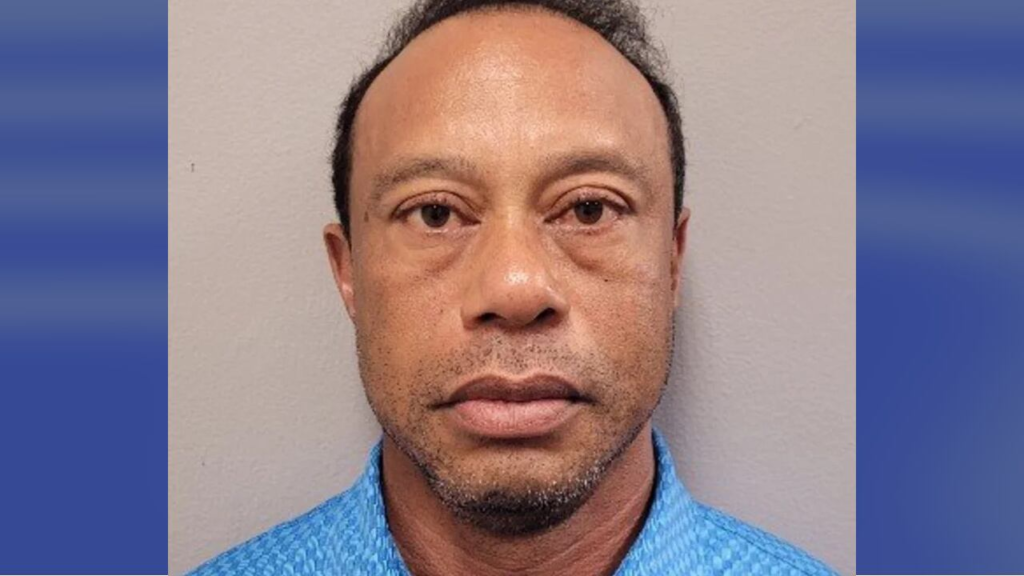
The absence of alcohol in Woods’ system presents a unique challenge for the prosecution. Without a urine test, establishing impairment due to drugs or other substances becomes more difficult, as there is no concrete laboratory evidence to support the claim. This creates a legal scenario in which the state must rely on observational evidence, such as field sobriety tests and the arresting officer’s testimony, to build its case.
At the same time, the refusal itself can be used as evidence in court, potentially strengthening the prosecution’s argument. Legal experts often note that such cases involve a delicate balance, where the lack of chemical proof may weaken the DUI charge, but the refusal can simultaneously complicate the defendant’s position. This dynamic makes the outcome less predictable and dependent on how effectively each side presents its arguments.
Woods’ legal options may include seeking a waiver hearing or applying for a restricted license that allows limited driving privileges for essential activities. Participation in DUI education programs could also play a role in determining the court’s decisions regarding penalties or leniency. The next stages of the case will likely hinge on whether prosecutors believe they have sufficient evidence to proceed with the DUI charge or whether a negotiated resolution becomes more likely.
A History of Incidents and Public Scrutiny
This is not the first time Woods has been involved in vehicle-related incidents or legal challenges. In 2009, he was involved in a crash near his home that resulted in a citation for careless driving. The incident drew widespread media attention and marked the beginning of a period of intense scrutiny into his personal life.
Several years later, in 2017, Woods was arrested under suspicion of driving under the influence after being found in a stationary vehicle on the side of the road. In that case, he attributed his condition to an unexpected reaction to prescribed medications rather than alcohol consumption. He ultimately pleaded guilty to reckless driving, a lesser charge, and completed a series of court-mandated requirements, including probation, community service, and participation in treatment programs.
Read : Barbara Rocha and Her 7-Year-Old Son Killed After 18-Year-Old Driver Crashes Into Their Home
The 2021 rollover crash in California, which caused significant injuries, was investigated and ultimately deemed an accident, with no criminal charges filed. That incident highlighted the physical challenges Woods has faced in recent years, as he worked to recover from serious injuries and continue his career.
These past events contribute to the broader context in which the current case is being viewed. While earlier incidents may not be directly admissible as evidence in court, they can still influence public perception and potentially play a role during sentencing if a conviction occurs. Judges often consider a defendant’s history when determining appropriate penalties, even when prior cases involve different circumstances.
Despite these challenges, Woods has consistently emphasized his commitment to recovery and personal improvement. Following the recent crash, he stated that he would be stepping away from public activities to seek treatment, underscoring his focus on addressing underlying issues. Such steps can sometimes be viewed favorably in legal proceedings, as they demonstrate a willingness to take responsibility and make positive changes.
The question of whether Woods will face jail time remains uncertain, though legal analysts suggest that it is unlikely based on the available information. First-time refusal charges typically carry limited penalties, and cases involving insufficient evidence of impairment often result in reduced charges or alternative resolutions. However, the final outcome will depend on how the case unfolds in court and the decisions made by prosecutors and the judge.
Woods’ situation illustrates the complexities of DUI law, particularly in cases involving alleged impairment without clear chemical evidence. It also reflects the broader challenges faced by high-profile individuals navigating legal issues under intense public scrutiny. While his achievements on the golf course remain undeniable, incidents such as this continue to shape the narrative surrounding his life and career.
As the case progresses, attention will likely remain focused on both the legal proceedings and Woods’ personal journey. His next court appearance is expected in early May, where further developments may provide greater clarity on the direction of the case. Until then, the incident serves as a reminder of the legal responsibilities associated with driving and the potential consequences of decisions made in critical moments.