
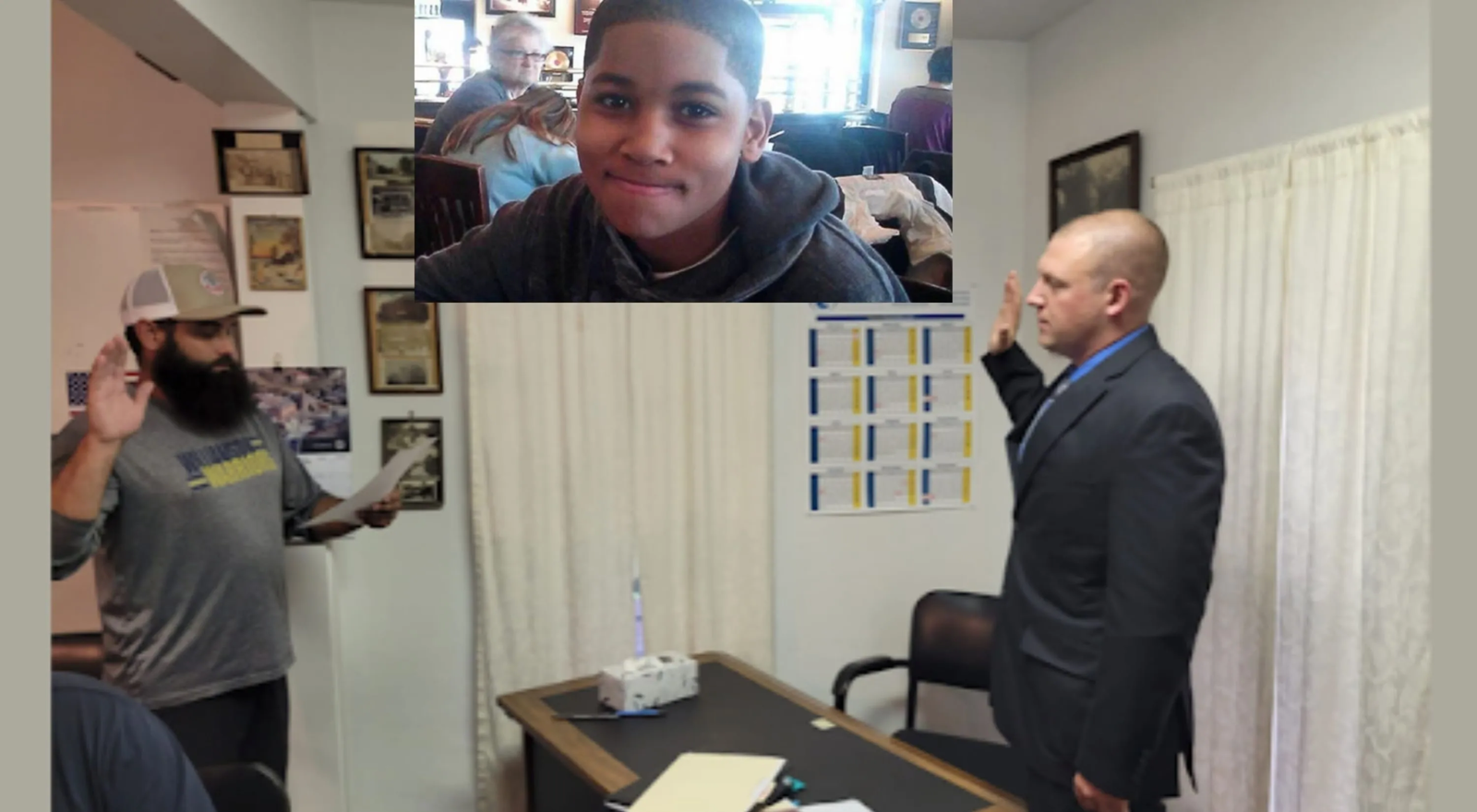
Timothy Loehmann, the former Cleveland police officer who fatally shot 12-year-old Tamir Rice in 2014, has once again been removed from a public safety position following public backlash. Loehmann was fired on Friday from his role as a ranger at the Snowshoe Resort Community District in West Virginia, marking the fourth known instance in seven years in which he has left or been dismissed from a small law enforcement or security-related department amid controversy.
The decision, announced after an emergency meeting of the district’s board, has renewed national attention on the enduring impact of the Tamir Rice case, the continued public scrutiny surrounding Loehmann’s employment, and the broader questions raised about accountability, hiring practices, and institutional judgment in public safety agencies. The Snowshoe Resort Community District confirmed Loehmann’s termination in a brief statement following the meeting, though it did not elaborate in detail on the deliberations that led to the decision.
The firing came after his employment became public knowledge and prompted swift criticism from civil rights advocates, community members, and legal representatives connected to the Rice family. For many, the development underscored how the circumstances of Tamir Rice’s death continue to reverberate a decade later, influencing not only public discourse on policing and race but also the professional trajectory of the officer involved.
The Tamir Rice Shooting and Its Aftermath
The case of Tamir Rice remains one of the most widely cited examples in discussions of police use of force in the United States. On 22 November 2014, Tamir, who was Black, was playing with a pellet gun outside a recreation center in Cleveland, Ohio. The gun closely resembled a real firearm but did not have an orange safety tip, a detail that later featured prominently in official accounts of the incident. Loehmann and his partner, responding to a 911 call, arrived at the scene, and within seconds of stopping their patrol car, Loehmann shot Tamir. The child died the following day.
Investigators later said the officers claimed Loehmann shouted commands three times for Tamir to raise his hands. Surveillance video of the encounter, however, appeared to show that the shooting occurred almost immediately after the officers arrived, leaving little visible time for verbal warnings or compliance. The footage, widely circulated and analyzed, fueled public outrage and became a focal point for protests across the country.
The killing sparked widespread condemnation and intensified scrutiny of police treatment of Black Americans, particularly children. It became a rallying point for activists highlighting systemic racism, excessive use of force, and a lack of accountability within law enforcement. In 2015, a grand jury declined to indict Loehmann or his partner, a decision that further inflamed public anger and reinforced perceptions that the criminal justice system was unwilling or unable to hold police officers accountable for fatal encounters.
Read : Enchantment Awaits: Discovering the Magic of Walt Disney World Resort
In the civil arena, the city of Cleveland settled a wrongful death lawsuit brought by Tamir Rice’s family for $6 million. While the settlement did not constitute an admission of wrongdoing, it was seen by many as an acknowledgment of the profound harm caused by the incident. Separately, the city fired Loehmann from the Cleveland Police Department, not for the shooting itself, but for having lied on his application to become a police officer. Internal records showed that a previous police department had deemed him emotionally unfit for duty, information Loehmann failed to disclose during the hiring process.
A Pattern of Controversial Rehirings
Despite his dismissal from the Cleveland Police Department, Timothy Loehmann has repeatedly sought and, in several cases, obtained employment in law enforcement or related public safety roles. Each instance has been followed by public backlash and, ultimately, his departure from the position. The pattern has raised persistent questions about how agencies vet candidates with highly controversial pasts and whether sufficient weight is given to public trust when making hiring decisions.
In 2018, Loehmann secured a part-time position with a small police department in south-east Ohio. The hiring was met with immediate criticism from Tamir Rice’s mother, Samaria Rice, as well as civil rights advocates and community members. Within days, Loehmann withdrew his application, effectively ending the brief appointment before he began active duty.
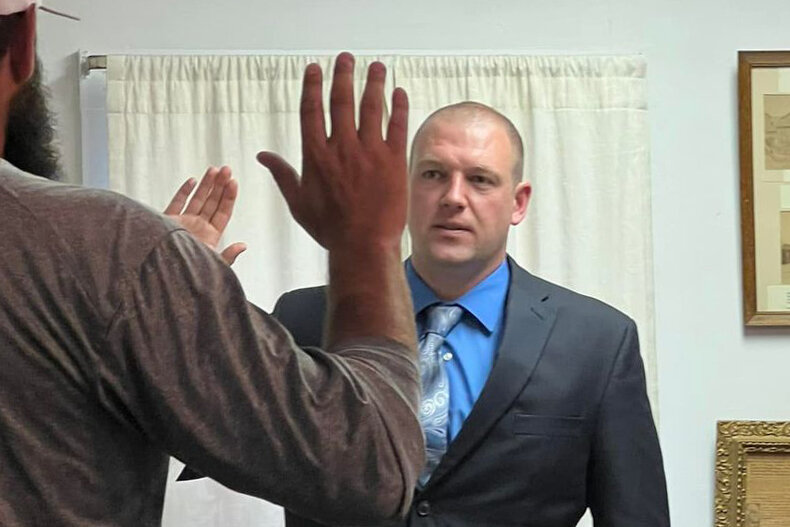
Four years later, in 2022, Loehmann was sworn in as the sole police officer in Tioga, Pennsylvania, a small borough with a very limited law enforcement structure. Once again, news of his hiring prompted strong reactions. Critics argued that appointing Loehmann to a position of authority, particularly as the only officer in the community, demonstrated a profound lack of judgment. Amid mounting pressure, he left the role, making his tenure there similarly short-lived.
In 2023, Loehmann was hired as a probationary officer in White Sulphur Springs City, West Virginia. The appointment drew national attention, and criticism quickly followed. Before the controversy could fully subside, Loehmann resigned from the position. The fallout extended beyond his own departure, as the police chief who had approved his hiring subsequently stepped down, highlighting the institutional consequences that can arise from such decisions.
The latest episode at the Snowshoe Resort Community District follows this established pattern. Although the ranger position was not a traditional police role, it nonetheless involved public safety responsibilities within a resort community. The board’s decision to terminate Loehmann came swiftly after his employment became public, suggesting an awareness of the reputational and ethical concerns associated with retaining him in any official capacity.
Public Reaction and Ongoing Accountability Debate
Reaction to Loehmann’s firing from the Snowshoe Resort Community District was immediate and pointed. Subodh Chandra, a Cleveland-based attorney who represents the Rice family, issued a strongly worded statement condemning both Loehmann’s continued pursuit of public safety roles and the judgment of the officials who hired him. Chandra described Loehmann’s repeated efforts to secure such positions as “pathological” and criticized the “craven poor judgment” of public officials who approve his employment, arguing that each rehiring reopens wounds for the Rice family and undermines public confidence.
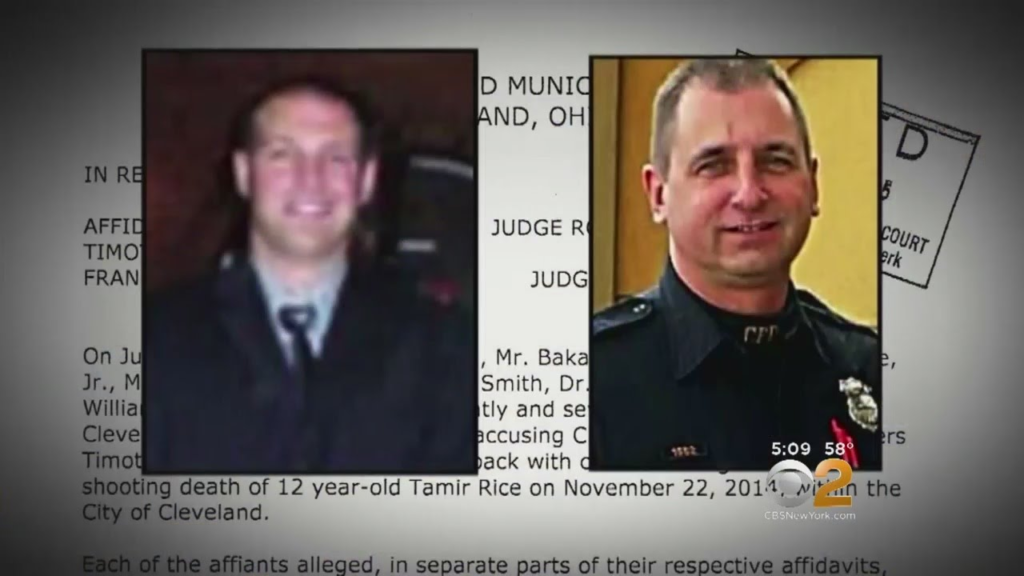
For Tamir Rice’s family and supporters, the repeated controversies serve as painful reminders of a loss that has never been fully resolved in the criminal justice system. The absence of criminal charges against Loehmann continues to shape public perception of the case, reinforcing a sense that accountability has been incomplete. Each new hiring announcement has tended to reignite public debate, protests, and media scrutiny, illustrating how unresolved cases can cast long shadows over institutions and individuals alike.
The broader debate surrounding Loehmann’s employment history touches on fundamental questions about rehabilitation, professional accountability, and the limits of public tolerance. Some argue that once an individual has been fired or resigned under controversial circumstances, particularly involving the death of a child, they should no longer be eligible for roles that involve authority over others or public trust. Others raise concerns about whether there should be clearer national standards or databases to prevent officers dismissed for misconduct or dishonesty from moving between departments with relative ease.
At the same time, the case highlights the challenges faced by small or understaffed departments, which may struggle to attract qualified candidates and may not fully anticipate the national attention that certain hires can generate. In Loehmann’s case, however, the repeated nature of the backlash suggests that the consequences were foreseeable. Each hiring decision has not only affected the individual department but has also contributed to a broader narrative about institutional blind spots and the failure to learn from past controversies.
As of now, the Snowshoe Resort Community District has not indicated whether it will revise its hiring policies or procedures in response to the incident. What remains clear is that Timothy Loehmann’s association with the death of Tamir Rice continues to define his public identity and professional prospects. Nearly a decade after the shooting, the case remains a touchstone in discussions about policing, race, and accountability in the United States, and each new development serves as a reminder of how deeply its impact is still felt across communities and institutions.