
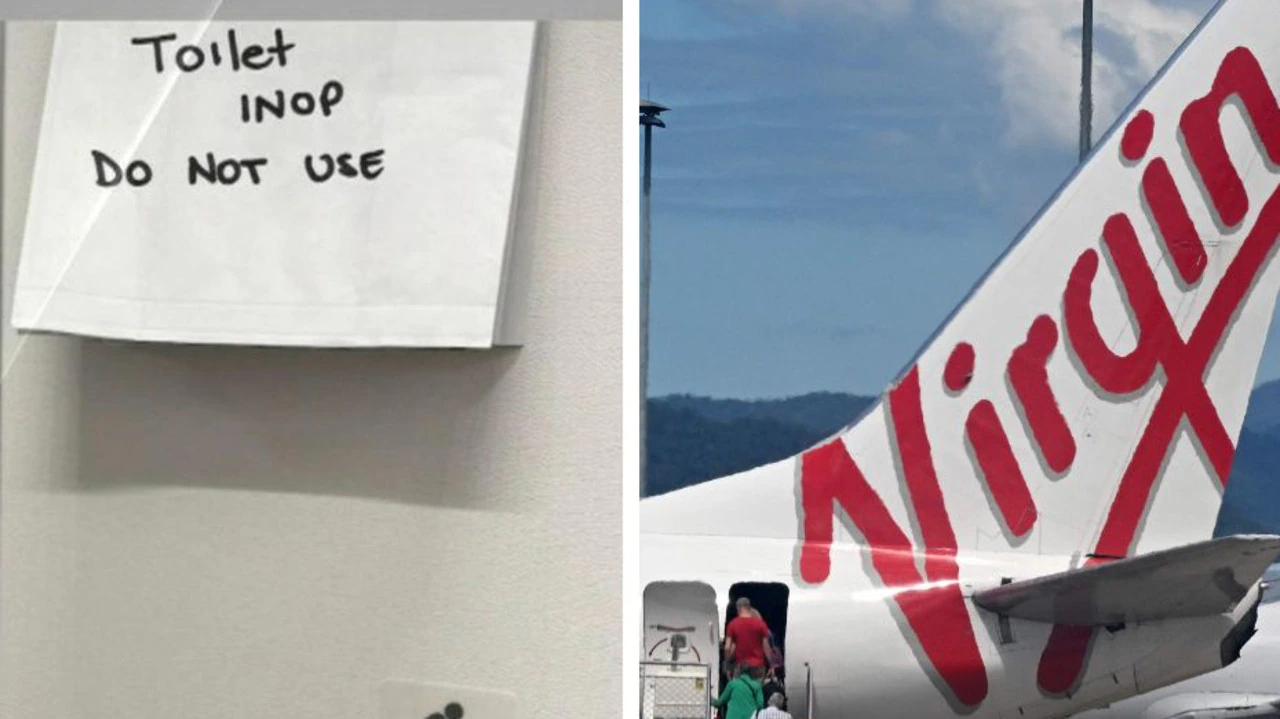
On August 28, 2025, passengers aboard Flight VA50 from Bali’s Denpasar International Airport to Brisbane faced an unprecedented ordeal when all onboard toilets Fail Mid-Air on Virgin Australia Flight. What began as a routine international flight quickly escalated into a distressing and unsanitary nightmare, raising serious questions about airline maintenance protocols, passenger safety, and the aviation industry’s commitment to passenger wellbeing. The incident, described by passengers as a “filthy, humiliating nightmare,” has sparked widespread criticism and calls for stricter operational standards.
Toilets Fail Mid-Air on Virgin Australia Flight
The trouble began even before Flight VA50, operated on a Boeing 737 MAX 8, left the tarmac at Denpasar International Airport. One of the aircraft’s three lavatories, specifically the rear toilet, was already inoperative due to a maintenance issue. Despite this known fault, the flight was not delayed or canceled, as limited engineering support in Bali made immediate repairs unfeasible. Virgin Australia made the decision to proceed with the flight, relying on the two remaining toilets to serve all passengers for the six-hour journey. This choice, while logistically understandable, set the stage for a cascade of problems that would soon unfold.
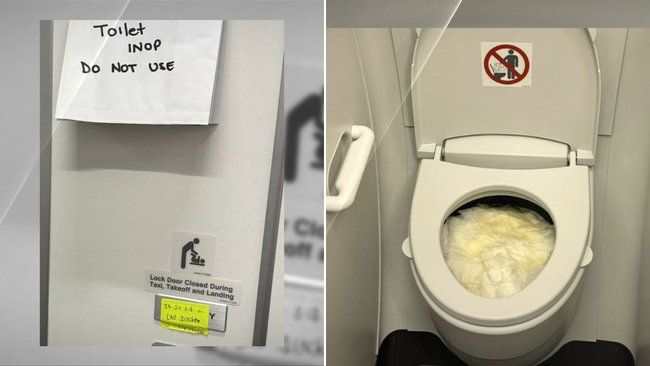
Approximately halfway through the flight, the situation deteriorated further when the two remaining lavatories also malfunctioned, leaving the aircraft without any functional toilets for the final three hours of the journey. Passengers reported that the toilets quickly became clogged, overflowing with human waste, urine, and used toilet paper. The stench permeated the cabin, and urine began seeping onto the floor, creating an unsanitary and distressing environment.
One passenger, identified as Aaron, recounted to the Australian Broadcasting Corporation that passengers, including himself, were forced to wait over 40 minutes to access the single operational toilet before it, too, failed. The cabin crew, left with no viable solutions, instructed passengers to relieve themselves in bottles or “on top of whatever was already in the toilet,” a directive that sparked outrage and humiliation among travelers.
The lack of functioning toilets posed particular challenges for vulnerable passengers, including children and the elderly. One passenger described a heartbreaking incident involving an elderly woman who, unable to wait, suffered the humiliation of wetting herself in public. The scene was chaotic, with children crying, elderly passengers distressed, and many travelers visibly upset at the lack of dignity and sanitation. The cabin crew, despite their best efforts to manage the situation, were overwhelmed by the scale of the crisis, highlighting the limitations of in-flight contingency planning for such an extreme scenario.
Passenger and Crew Struggles Amid Unsanitary Conditions
The failure of all onboard toilets turned Flight VA50 into a public health and safety hazard. Passengers described the cabin as filled with an overwhelming odor, with urine and waste leaking onto the floor, creating a hazardous and undignified environment. The instruction to use bottles or sinks for urination was particularly contentious.
One business-class passenger, speaking to PEOPLE, expressed disgust at being asked to urinate in a sink, noting that it posed a significant hygiene issue, as sinks are typically used for handwashing. The suggestion to use already overflowing toilets further exacerbated the unsanitary conditions, as passengers were forced to navigate a confined space surrounded by human waste.
The cabin crew faced immense pressure as they attempted to manage passenger frustration while maintaining order and safety. Virgin Australia praised their crew for handling a “challenging situation,” but the incident underscored the immense strain placed on aviation workers in such circumstances.
The Transport Workers Union (TWU) condemned the event as a “severe hazard” to both passengers and crew, emphasizing that aviation workers are increasingly exposed to unsafe and unsanitized conditions due to an industry-wide trend of prioritizing profits over performance. TWU National Assistant Secretary Emily McMillan criticized the incident as symptomatic of broader maintenance and safety shortcomings, calling for stricter pre-flight inspections and better contingency planning.
Passengers, meanwhile, were left to grapple with the physical and emotional toll of the experience. The lack of access to basic sanitation facilities for three hours on a confined aircraft was not only uncomfortable but also a violation of basic human dignity, as one passenger described to The Australian.
The situation was particularly dire for those with medical conditions or limited mobility, who were unable to navigate the improvised solutions suggested by the crew. The incident has left many passengers questioning the airline’s duty of care and operational decision-making, particularly the choice to operate a long-haul flight with a known lavatory fault.
Virgin Australia responded to the crisis by issuing an apology and offering flight credits to affected passengers. The airline confirmed that all toilets were out of service for the final one hour and 40 minutes of the flight, though some passengers, like Aaron, claimed the outage lasted significantly longer.
The airline is currently investigating the cause of the malfunction and has committed to proactively reaching out to passengers with updates. However, the apology and compensation have done little to quell the anger of those who endured the ordeal, with many calling for greater accountability and systemic changes to prevent similar incidents in the future.
Implications for Airline Maintenance and Industry Standards
The toilet failure on Flight VA50 is more than an isolated incident; it serves as a stark reminder of the critical importance of basic infrastructure on aircraft. Toilets are not optional amenities but essential facilities that directly impact passenger safety, comfort, and public health. The decision to operate the flight with one inoperative toilet raises serious questions about Virgin Australia’s maintenance protocols and operational priorities.
Why was a long-haul flight cleared for departure with a known lavatory fault? How did two additional toilets fail mid-air, and what does this reveal about the airline’s pre-flight inspections and in-flight contingency planning? The Transport Workers Union has pointed to this incident as evidence of a broader industry trend toward cutting corners on maintenance to maximize profits. Operating flights with known mechanical issues, such as an inoperative toilet, places unnecessary stress on both passengers and crew and exposes them to unsafe conditions.
The TWU has called for stricter regulations and oversight to ensure that airlines prioritize passenger and worker safety over operational efficiency. The incident also highlights the need for robust contingency plans to address in-flight system failures, such as diverting to the nearest airport when critical facilities like toilets become inoperative. In this case, the Virgin Australia crew chose not to divert, though the reasons for this decision remain unclear.
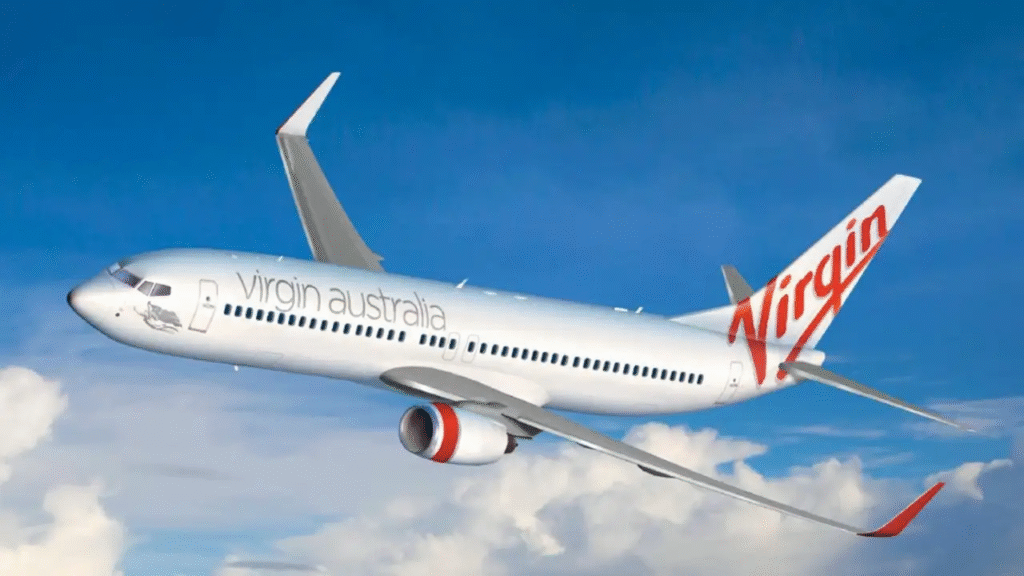
The incident has also drawn attention to the reliability of the Boeing 737 MAX 8, the aircraft model involved in the flight. While the toilet failure is not directly linked to the aircraft’s design, it adds to ongoing scrutiny of Boeing’s manufacturing and maintenance standards, particularly in light of other high-profile incidents involving the 737 MAX series. Passengers and industry observers are questioning whether the airline’s maintenance protocols adequately addressed the unique challenges of operating a 737 MAX 8 on a long-haul route with limited ground support.
For the aviation industry as a whole, the Flight VA50 incident underscores the importance of prioritizing passenger wellbeing and operational readiness. Basic amenities like functional toilets are critical to maintaining a safe and dignified travel experience, particularly on long-haul flights. Airlines must invest in rigorous maintenance checks, ensure adequate engineering support at all departure points, and develop comprehensive contingency plans to address system failures mid-flight. Failure to do so risks not only passenger discomfort but also significant reputational damage and potential legal consequences.
The ordeal faced by passengers on Flight VA50 has sparked a broader conversation about the responsibilities of airlines to their customers and crew. As air travel continues to grow, incidents like this serve as a wake-up call for the industry to reassess its priorities and ensure that passenger safety and comfort remain paramount. For now, Virgin Australia’s apology and offer of flight credits may provide some relief to affected passengers, but the incident will likely linger in the minds of travelers as a cautionary tale of what can go wrong when basic systems fail at 35,000 feet.
In conclusion, the toilet failure on Virgin Australia Flight VA50 was a preventable crisis that exposed significant gaps in airline maintenance and operational decision-making. The distressing experience of passengers, coupled with the challenges faced by the cabin crew, highlights the need for stricter industry standards and better contingency planning. As the aviation industry navigates increasing scrutiny over safety and passenger care, incidents like this must serve as a catalyst for change to ensure that such nightmares remain a rare exception rather than a recurring reality.