
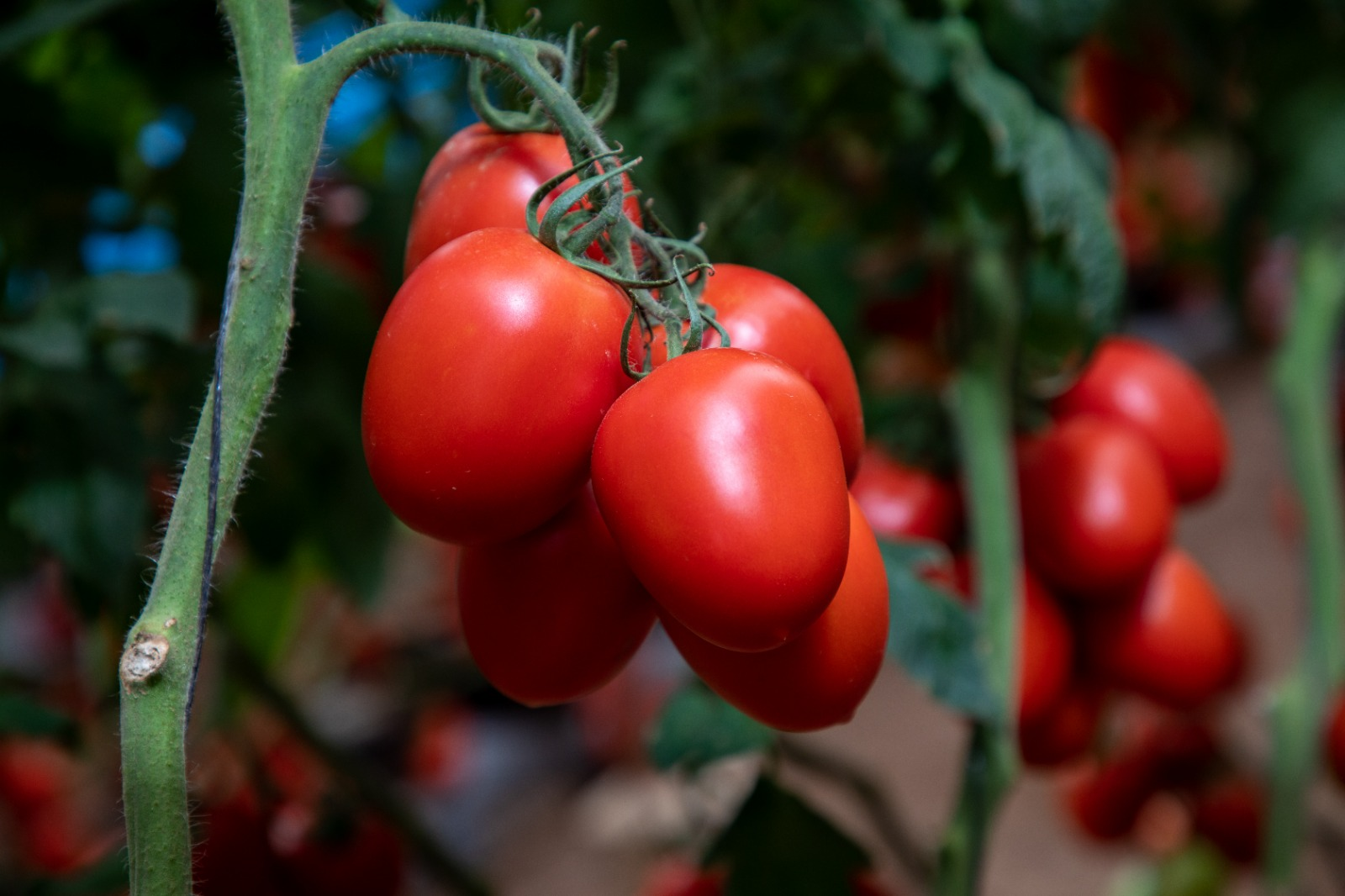
Israel’s agricultural sector has reached a significant milestone in its journey toward self-sufficiency. The country now produces 90 percent of the tomatoes consumed locally, a remarkable turnaround after challenges posed by conflict and supply chain disruptions.
The announcement by the Agriculture Ministry underscores the resilience of Israeli farmers and the strategic measures taken to boost local production.
Overcoming Challenges to Achieve Self-Sufficiency
The journey to producing 90 percent of domestically consumed tomatoes was not without obstacles. The war initiated by Hamas on October 7, 2023, led to a decline in local agricultural output, particularly in areas near the Gaza Strip.
Fields along the border were rendered inaccessible for military reasons, and Turkey’s decision to ban tomato exports to Israel exacerbated the situation.
Read : Lights from Tomato Factory Mistaken for Aurora in the UK
Turkish tomatoes previously accounted for a significant portion—25 percent—of the 200,000 tons consumed annually in Israel. The ban forced farmers and policymakers to adopt innovative strategies to bridge the gap.
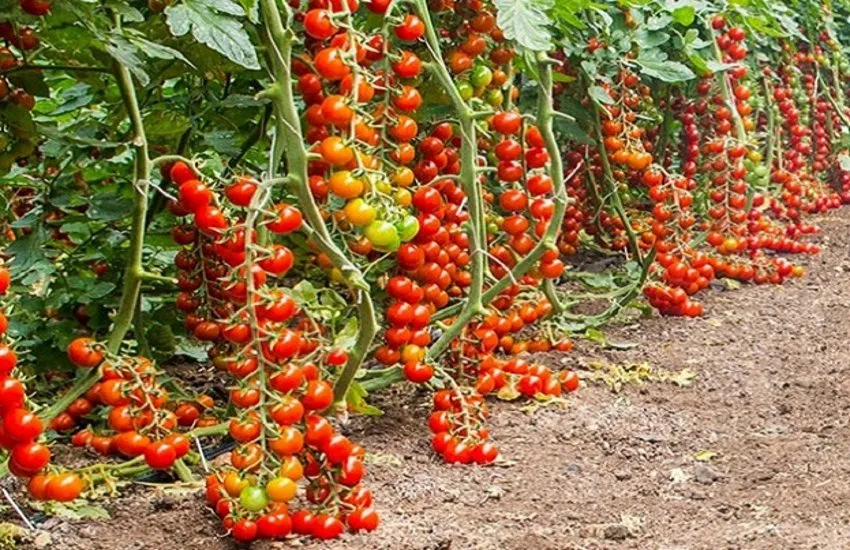
The Agriculture Ministry expanded growing areas in regions less affected by conflict, such as northern Israel and the Golan Heights, ensuring that production could meet the growing demand.
Strategic Expansion of Tomato Cultivation
To counter the effects of restricted access to farmland near the Gaza border, the Agriculture Ministry allocated alternative land to affected farmers. This effort allowed displaced agricultural workers to continue cultivation without significant disruptions.
Read : What do you think Tomato is Fruit or Vegetable?
In addition to reallocating land, the government prioritized expanding tomato cultivation in less vulnerable regions. The northern parts of country and the Golan Heights were designated as key areas for increasing production capacity.
The ministry also encouraged farming in regions like the Arava in the far south, the Jordan Valley in the east, and the western Negev.
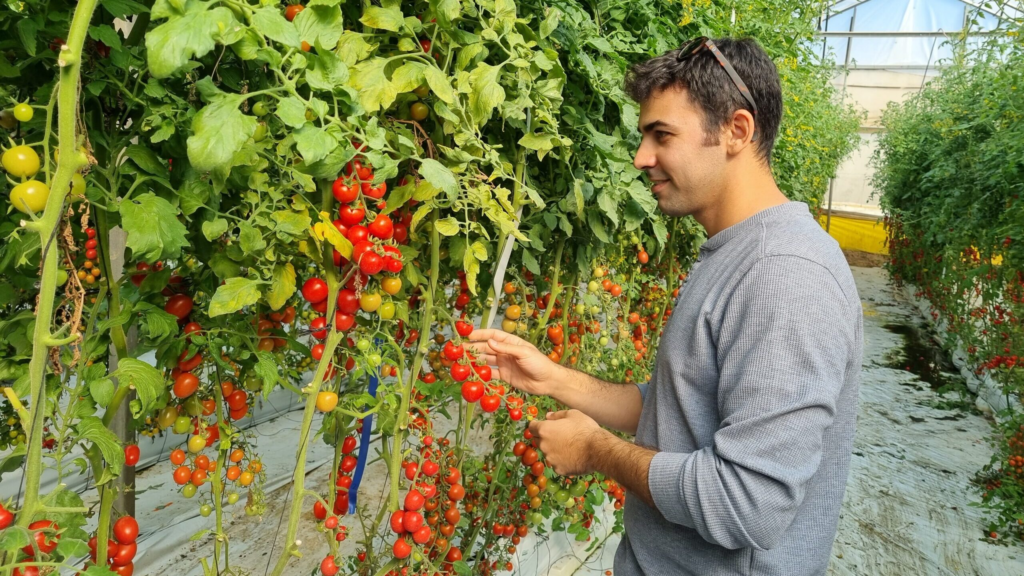
These strategic decisions, coupled with technological advancements in agriculture, have enabled Israel to surpass pre-war production levels. Farmers utilized modern irrigation methods, greenhouse farming, and improved crop management techniques to maximize yield and ensure consistent supply throughout the year.
A Resilient Agricultural Sector
The increased production of tomatoes highlights the resilience and adaptability of Israel’s agricultural sector. Despite geopolitical and logistical challenges, Israeli farmers have demonstrated their ability to innovate and meet domestic needs.
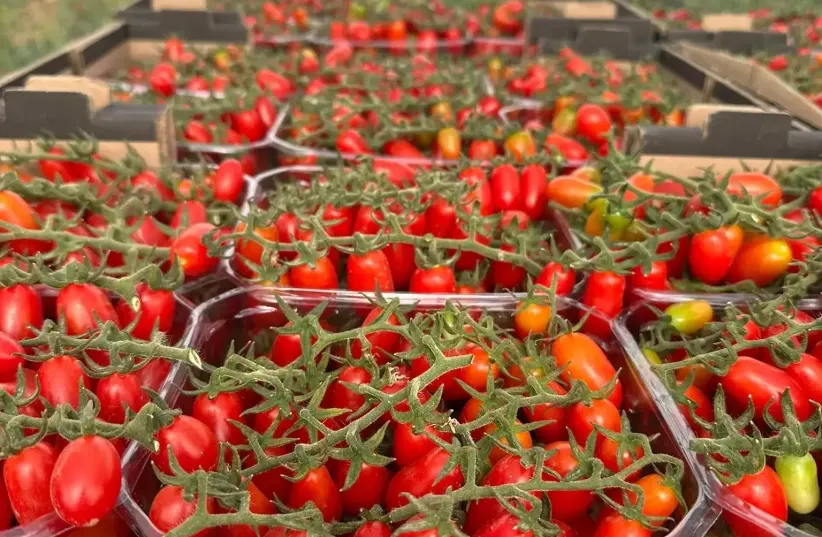
The success story of tomato production serves as a testament to the importance of government support and effective policymaking in bolstering self-reliance. By reducing dependency on imported tomatoes, Israel has fortified its food security and provided stability for local farmers and consumers alike.
As Israeli tomatoes fill store shelves across the country, they symbolize not just an agricultural achievement but also a broader narrative of perseverance in the face of adversity.
The collaboration between the government and the farming community has ensured that one of Israel’s most consumed staples remains accessible and affordable for its population.