
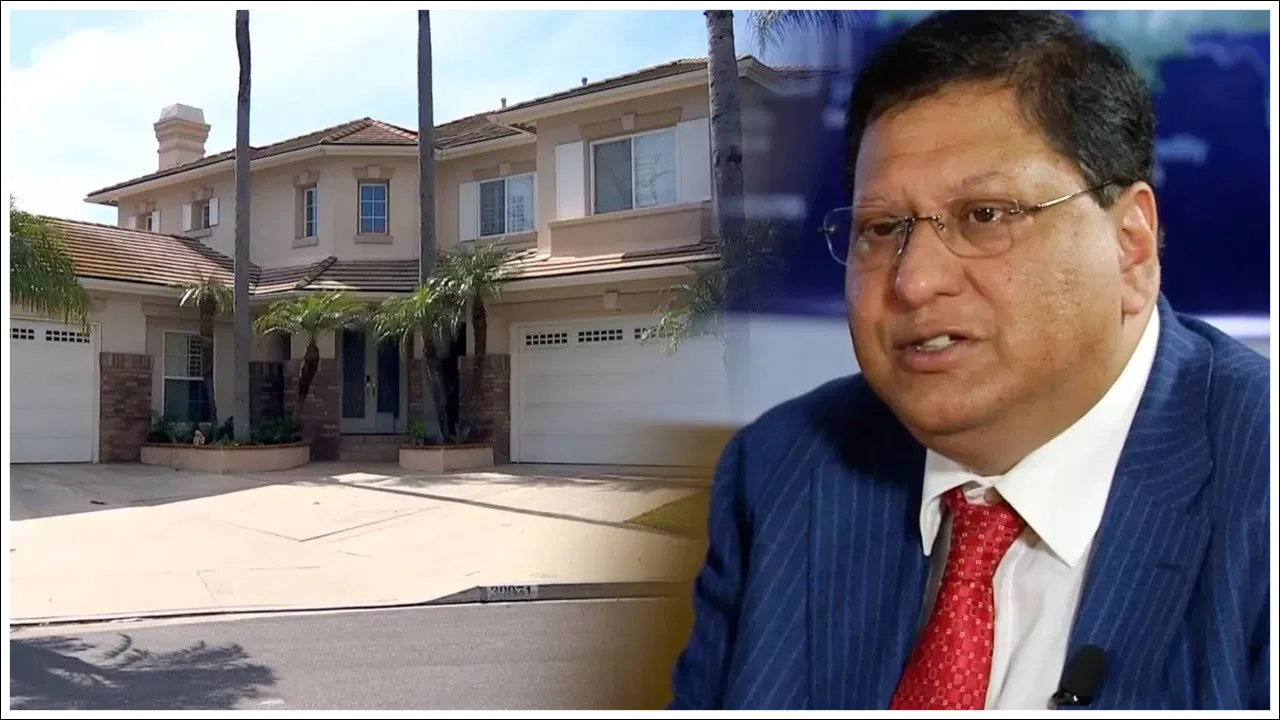
The story of Tonmoy Sharma, a 61-year-old doctor originally from Bamunimaidam in Guwahati, Assam, is a tale of controversy, deception, and alleged criminal activity that spans continents. Once recognized for his work in pharmaceutical trials, Sharma’s career took a dark turn with allegations of research misconduct, ethics violations, and a massive healthcare fraud scheme in the United States.
His arrest at Los Angeles International Airport marks the culmination of a long and complicated saga that exposed a web of fraudulent insurance claims, illegal kickbacks, and patient exploitation.
Early Career and Troubled Past in the UK
Tonmoy Sharma first came to prominence in the 1990s while conducting clinical trials for pharmaceutical companies in the United Kingdom. His work involved testing major drugs, including a notable study comparing Sanofi’s Amisulpride to a rival product from Eli Lilly. At the time, Sharma was seen as a promising medical researcher. However, cracks in his credibility soon appeared.
In 2001, concerns were raised by Catherine Baxter, a medical adviser at Sanofi, regarding financial irregularities in one of Sharma’s drug studies. These concerns prompted Sanofi to hire private investigators, including a former Metropolitan Police detective, Peter Jay, to scrutinize Sharma’s research practices. The investigation uncovered multiple irregularities and unethical conduct.
Among the most serious accusations was the fabrication of ethics approvals necessary for clinical trials, as well as recruitment of vulnerable patients without proper consent from their caregivers. Tonmoy Sharma was also accused of offering financial incentives to study participants, a practice widely condemned in medical research for introducing bias and ethical violations.
Furthermore, he was reported to have falsely claimed prestigious academic titles, including professorships and doctorates, which further tainted his professional standing. After these investigations, the UK’s General Medical Council (GMC) took decisive action.
Read : “It’s My Hospital, I’m a Doctor,” Cries Injured Dr. of Kyiv Hospital After Russian Missile Strikes
In 2007, after multiple ethics violations and misconduct, Tonmoy Sharma’s medical license was revoked. The GMC’s findings included not only the ethical breaches but also allegations that Sharma threatened patients who sought to withdraw from his studies. His downfall in the UK marked the beginning of a new chapter as he relocated to the United States to continue his medical career, this time under far less scrutiny.
The Healthcare Fraud Scheme in the United States
Upon moving to the US, Tonmoy Sharma founded the Sovereign Health Group, which became a major network of addiction treatment centers in Southern California. While the group initially operated openly, it soon drew the attention of the FBI and federal investigators due to suspicious activities and fraudulent billing practices.
The alleged fraud centered on a complex and aggressive scheme that exploited the US healthcare system for enormous financial gain. According to federal indictments, Tonmoy Sharma submitted more than $149 million in fraudulent insurance claims. These claims were made possible through deceptive tactics, including the manipulation of patient information and the use of fake charitable foundations to lure patients.
Read : Chinese Man in ICU After Unqualified Doctor Performs Acupuncture on Him to Treat Benign Tumor
Sovereign Health’s call centers falsely assured patients that their treatment costs would be covered by charitable organizations. In reality, these calls were part of a ruse to collect sensitive personal information such as birth dates and Social Security numbers. This information was then used to enroll patients secretly into private insurance plans without their knowledge or consent.

To qualify patients for these lucrative insurance plans, Sovereign staff fabricated life events and manipulated income data, enabling patients to receive heavily subsidized insurance with high reimbursement rates. This method maximized profits by targeting private insurance over government programs like Medicaid, which reimburse at lower rates.
Adding to the complexity, some Sovereign employees impersonated patients during phone calls with insurance companies, further obscuring the fraudulent nature of the enrollments. This allowed the company to bill insurers for treatments and tests that were often unnecessary.
One significant component of the scam involved Vedanta Laboratories Inc., an in-house lab owned by Sovereign Health. Patients were subjected to extensive and expensive drug testing, which was often excessive and medically unnecessary. These tests were billed to insurance companies at inflated costs, increasing the total fraudulent claims against insurers.
Additionally, the scheme involved illegal kickbacks totaling over $21 million. Tonmoy Sharma and his associates paid brokers disguised as “marketing fees” to refer patients to Sovereign Health. These contracts were falsely described and designed to evade detection, but in reality, they incentivized patient recruitment purely for financial gain.
Despite the closure of Sovereign Health in 2018 following a federal raid, Tonmoy Sharma continued operating a treatment center called Dana Shores Recovery under a different name and license. This allowed him to stay one step ahead of authorities for several more years.
Arrest and Legal Implications
Tonmoy Sharma’s arrest at Los Angeles International Airport came as he was reportedly preparing to flee to Dubai, a move likely intended to evade ongoing federal investigations and legal consequences. The arrest effectively ended years of deceptive practices that siphoned millions from the healthcare system and defrauded insurers.
Sharma now faces multiple federal charges including four counts of wire fraud, one count of conspiracy, and three counts of receiving illegal remunerations. If convicted, he could face decades in prison—up to 20 years for each wire fraud charge, five years for conspiracy, and 10 years per illegal kickback count.

His arrest highlights the vulnerabilities in the healthcare system that can be exploited by unethical individuals and organizations. The complex scheme orchestrated by Sharma underscores how fraud can involve not only falsification of records but also manipulation of vulnerable patients and misuse of sensitive personal data.
The case also serves as a cautionary tale about the importance of regulatory oversight and vigilance. Despite losing his medical license in the UK for serious misconduct, Sharma was able to establish operations in the US and perpetuate fraud on a massive scale. This raises questions about the mechanisms in place for credential verification and ongoing professional monitoring across borders.
For the victims of the fraud—patients who were unwittingly enrolled in insurance plans, subjected to unnecessary medical tests, and used as pawns in a profit-driven scheme—the impact goes beyond financial loss. It erodes trust in healthcare providers and institutions, potentially harming their willingness to seek treatment when needed.
Tonmoy Sharma’s trajectory from a promising medical researcher in the UK to a fugitive accused of one of the largest healthcare frauds in US history is a stark example of how unethical practices can evolve and grow when unchecked. His arrest marks the beginning of a long legal battle that may bring justice to the insurers, patients, and broader healthcare system he exploited.
This saga reminds us of the critical need for transparency, accountability, and ethical standards in medicine and healthcare administration—without which the most vulnerable remain at risk of exploitation and fraud.