
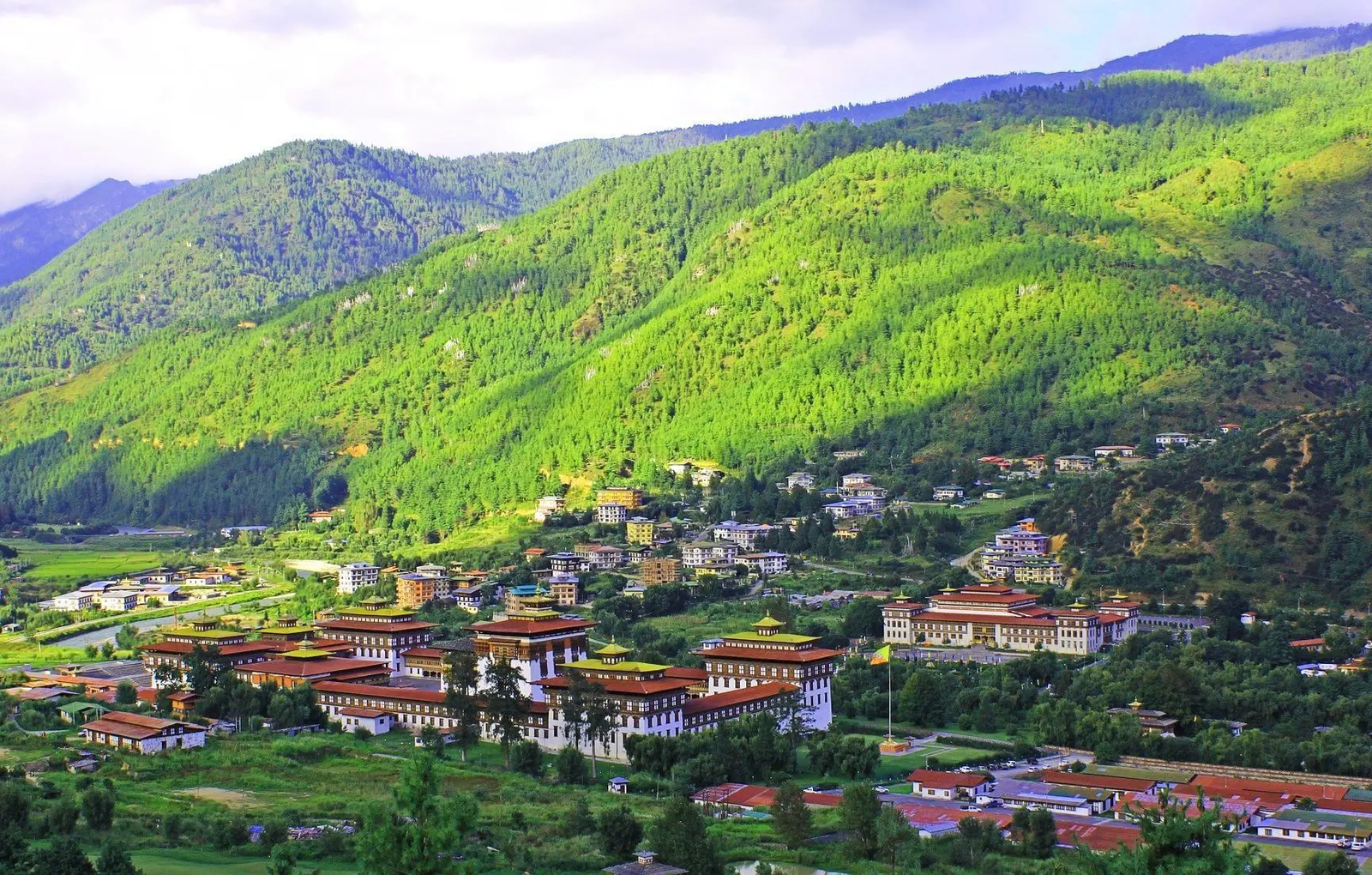
Exploring the villages in Bhutan offers a fascinating glimpse into the country’s rich cultural heritage and stunning natural beauty. Bhutan, often referred to as the “Land of the Thunder Dragon,” is known for its breathtaking landscapes and deeply rooted traditions. These villages in Bhutan, scattered across Bhutan’s mountainous terrain and lush valleys, each offer a unique experience, from historical landmarks to vibrant cultural festivals. Here’s a guide to ten of the most enchanting villages in Bhutan that you should visit to fully appreciate the country’s charm and heritage.
1. Paro, Paro Valley
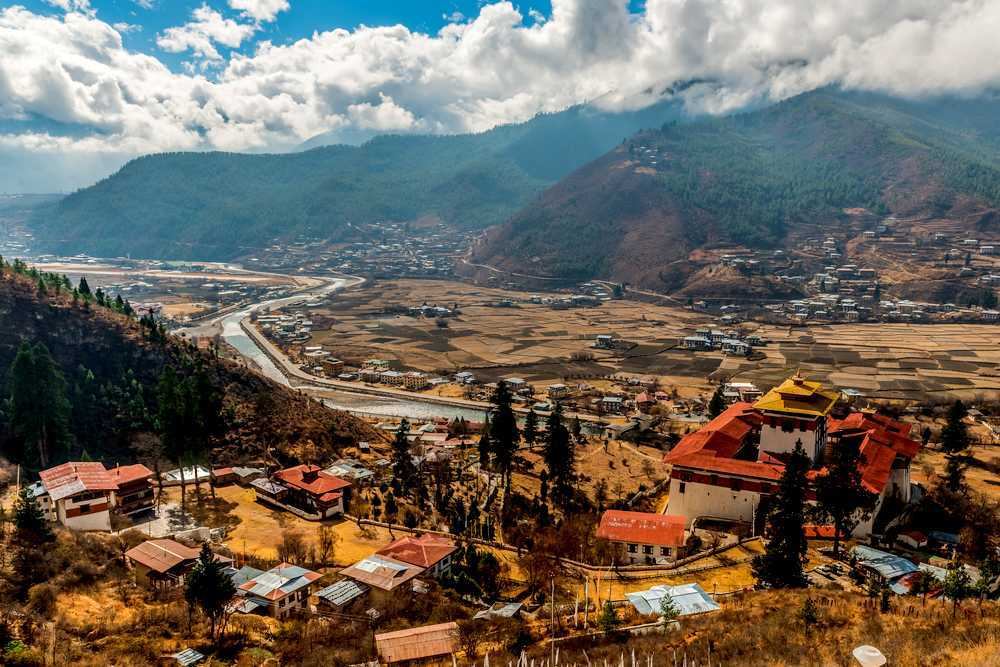
Paro, nestled in the picturesque Paro Valley, is renowned for its stunning natural beauty and significant cultural landmarks. The village is home to the iconic Paro Taktsang, or Tiger’s Nest Monastery, which clings dramatically to a cliffside and offers breathtaking views of the surrounding valley. This sacred site is a major pilgrimage destination and a symbol of Bhutan’s rich spiritual heritage. Visitors can also explore the traditional dzongs and ancient temples that dot the valley, including the Kyichu Lhakhang, enhancing their experience of Bhutanese history and culture.
2. Thimphu, Thimphu District
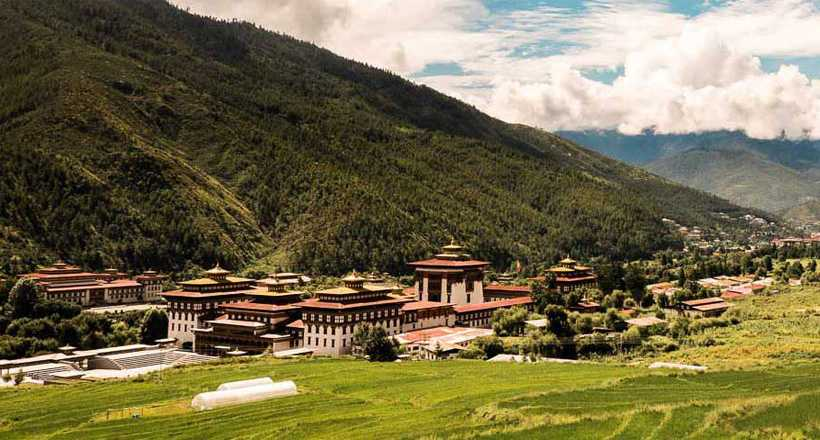
Thimphu, the capital city of Bhutan, is surrounded by charming villages that blend traditional culture with modern influences. Changangkha, a village within Thimphu, is famed for the Changangkha Lhakhang temple, which provides panoramic views of the city and the Himalayas. Thimphu offers a mix of vibrant markets, local handicrafts, and cultural festivals such as the Thimphu Tsechu, where visitors can enjoy traditional dances and Bhutanese festivities, making it a fascinating destination for cultural immersion.
3. Punakha, Punakha Valley
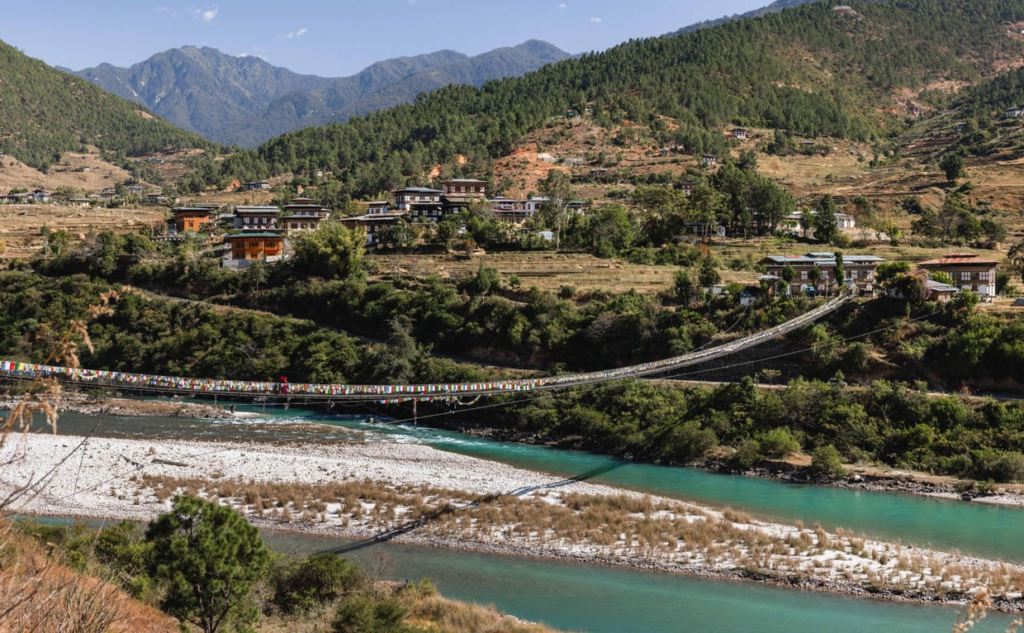
Punakha, located in the scenic Punakha Valley, is celebrated for its impressive Punakha Dzong, which stands at the confluence of the Pho Chhu and Mo Chhu rivers. This fortress is a central site for religious and administrative activities in Bhutan and is known for its stunning architecture and historical significance. The valley’s lush terraced fields and the annual Punakha Tsechu festival, featuring traditional dances and vibrant costumes, offer visitors a rich cultural experience set against a beautiful backdrop.
4. Wangdue Phodrang, Wangdue Phodrang District
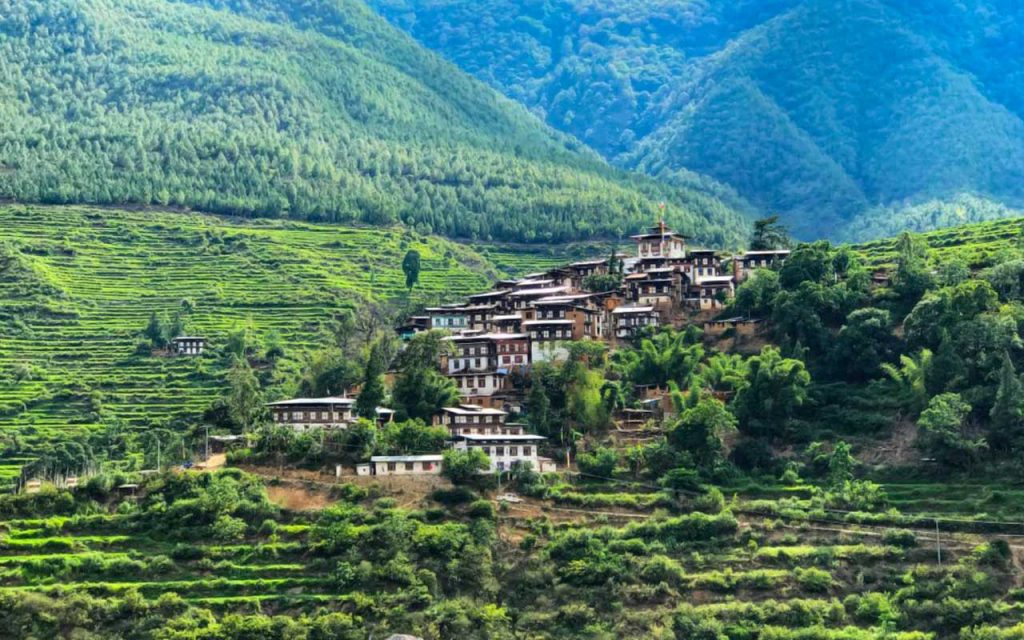
Wangdue Phodrang, situated in the Wangdue Phodrang District, is renowned for its picturesque landscapes and traditional architecture. The village is home to the Wangdue Phodrang Dzong, a fortress that provides panoramic views of the surrounding valleys and mountains. Although the dzong was partially destroyed by fire in 2012 and is under restoration, it remains an important cultural landmark and a symbol of Bhutanese heritage. The surrounding area offers beautiful hikes and scenic spots, making Wangdue Phodrang a must-visit for nature and history enthusiasts alike.
5. Haa, Haa Valley
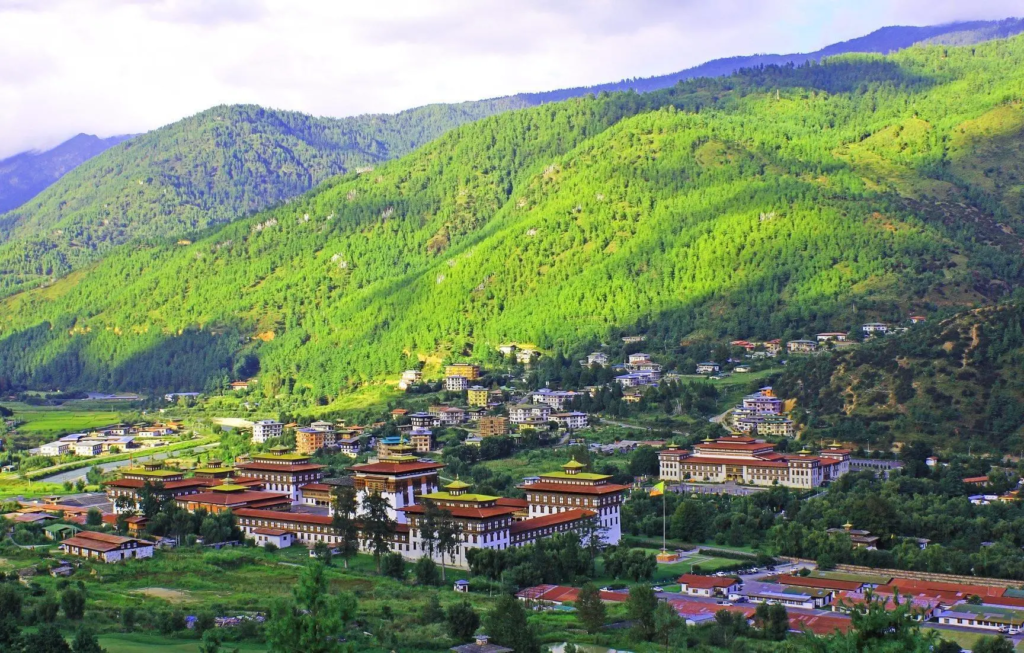
Haa, located in the tranquil Haa Valley, is a village known for its unspoiled natural beauty and cultural significance. The village is surrounded by lush forests and pristine landscapes, providing a peaceful retreat from Bhutan’s busier regions. Haa is also home to the traditional Lhakhang Karpo and Lhakhang Nagpo temples, which are integral to the local culture and spirituality. The annual Haa Summer Festival, showcasing traditional Bhutanese performances and local crafts, offers visitors a unique insight into the region’s vibrant heritage.
6. Trongsa, Trongsa District
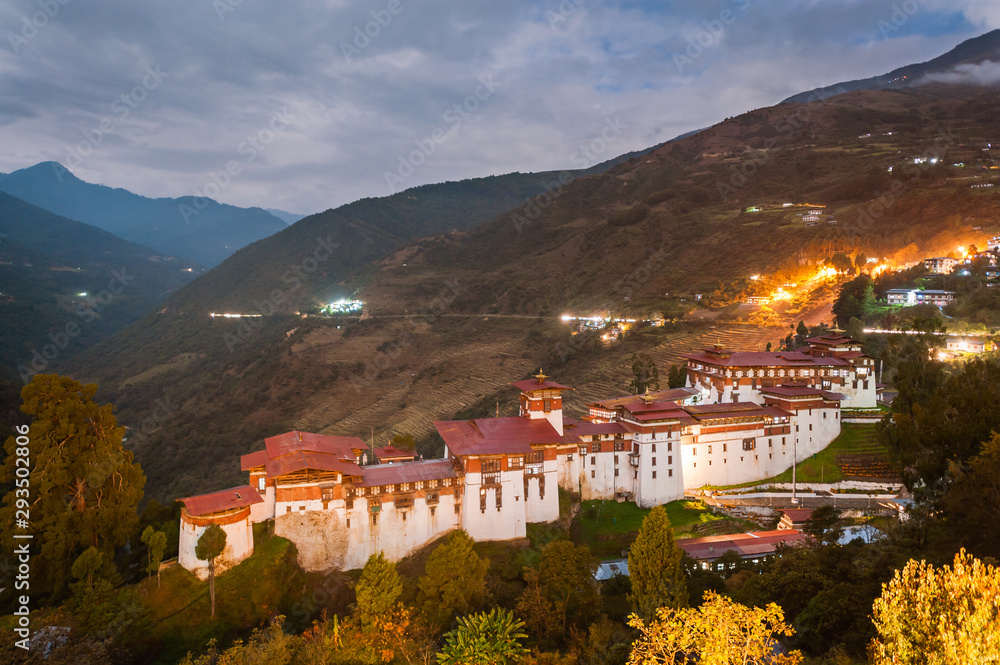
Trongsa, positioned in the central part of Bhutan, is known for its historic Trongsa Dzong, one of the largest and most impressive fortresses in the country. The dzong offers breathtaking views of the surrounding landscape and is a key site in Bhutan’s history, serving as the ancestral home of the royal family. Trongsa’s scenic location and historical significance make it a compelling destination for those interested in Bhutanese culture and architecture. The village’s vibrant local markets and traditional festivals add to its appeal.
7. Bumthang, Bumthang District
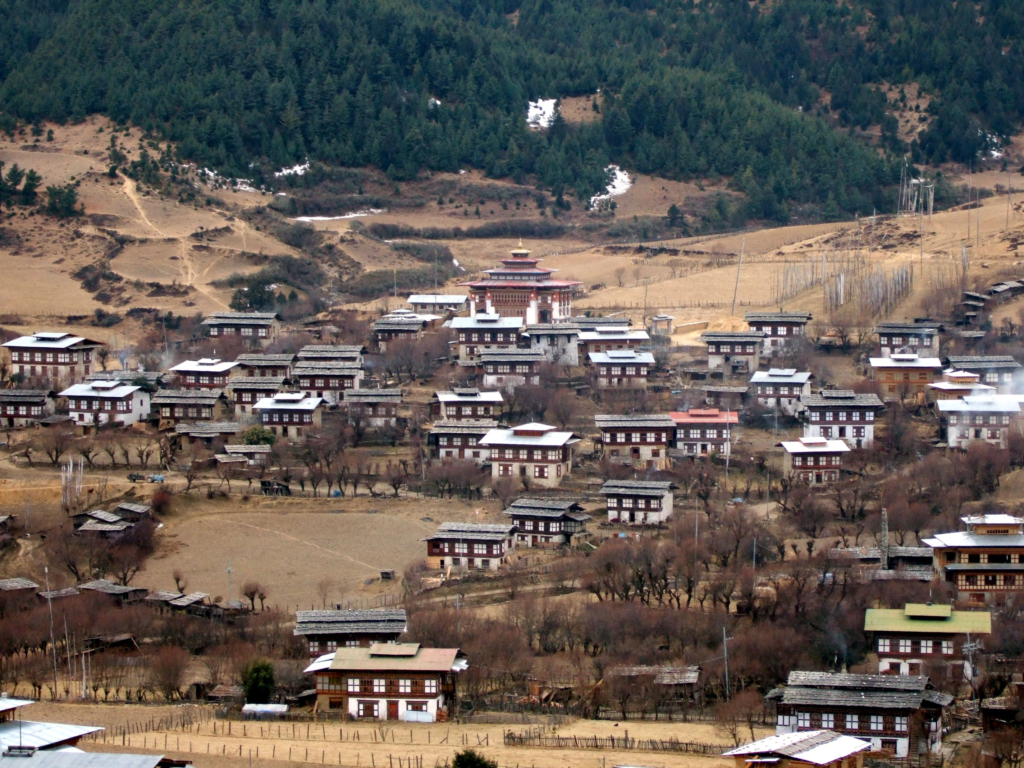
Bumthang, located in the Bumthang District, is a picturesque village known for its rich cultural heritage and beautiful landscapes. The village is home to several important monasteries, including Jakar Dzong, which is a prominent religious and administrative center. Bumthang’s charming countryside, with its rolling hills and traditional Bhutanese homes, offers a serene environment for visitors. The village’s annual festivals, such as the Jambay Lhakhang Drup, feature traditional dances and religious ceremonies, providing a deeper understanding of Bhutanese customs and traditions.
8. Jakar, Bumthang Valley
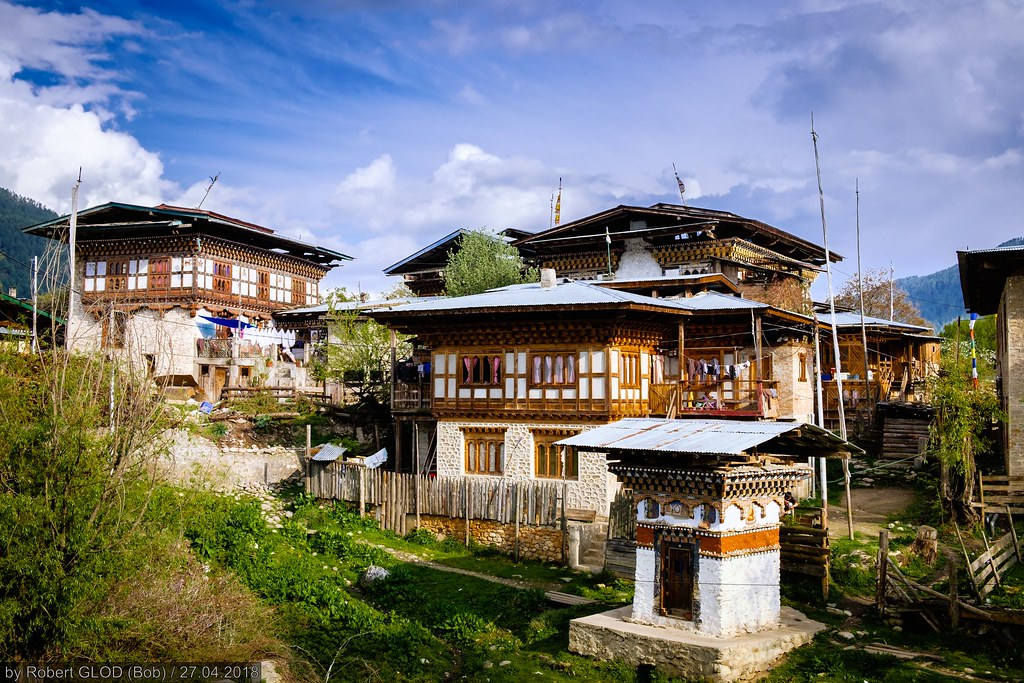
Jakar, situated in the heart of Bumthang Valley, is renowned for its serene beauty and cultural richness. The village is home to the Jakar Dzong, a majestic fortress that serves as the administrative center of the Bumthang District. Jakar is also known for its traditional weaving industry, with local artisans creating intricate textiles that reflect Bhutan’s cultural heritage. The village’s peaceful atmosphere, combined with its historical sites and vibrant local crafts, makes it an attractive destination for travelers seeking a genuine Bhutanese experience.
9. Lhuntse, Lhuntse District
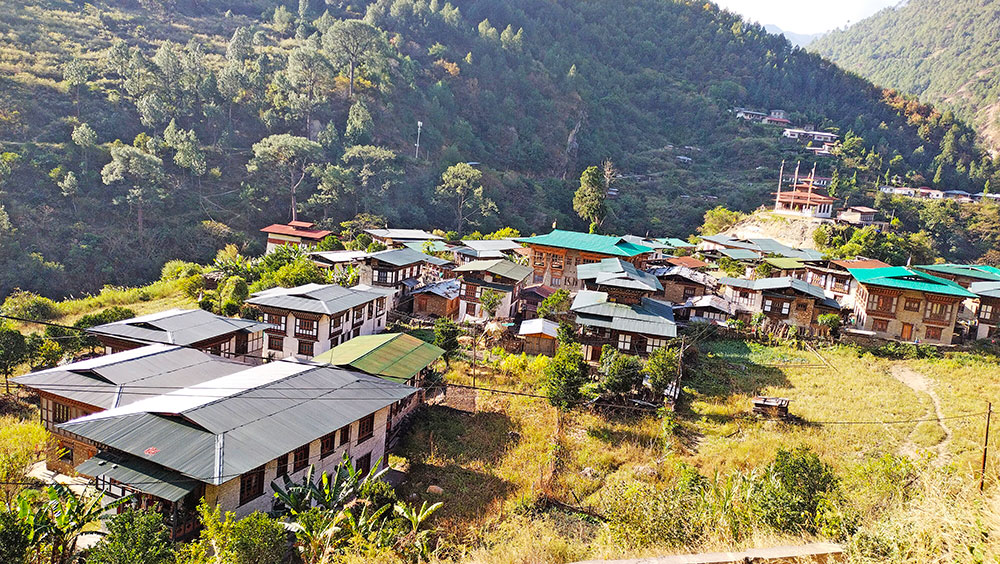
Lhuntse, located in the northeastern part of Bhutan, is famous for its traditional craftsmanship and scenic beauty. The village is known for its intricate weaving and traditional textile production, which are highly valued in Bhutanese culture. Lhuntse is also home to the Lhuntse Dzong, a historic fortress that offers stunning views of the surrounding landscape. The village’s commitment to preserving its traditional crafts and its picturesque setting make it a unique destination for visitors interested in Bhutanese art and culture.
10. Phobjikha, Wangdue Phodrang District
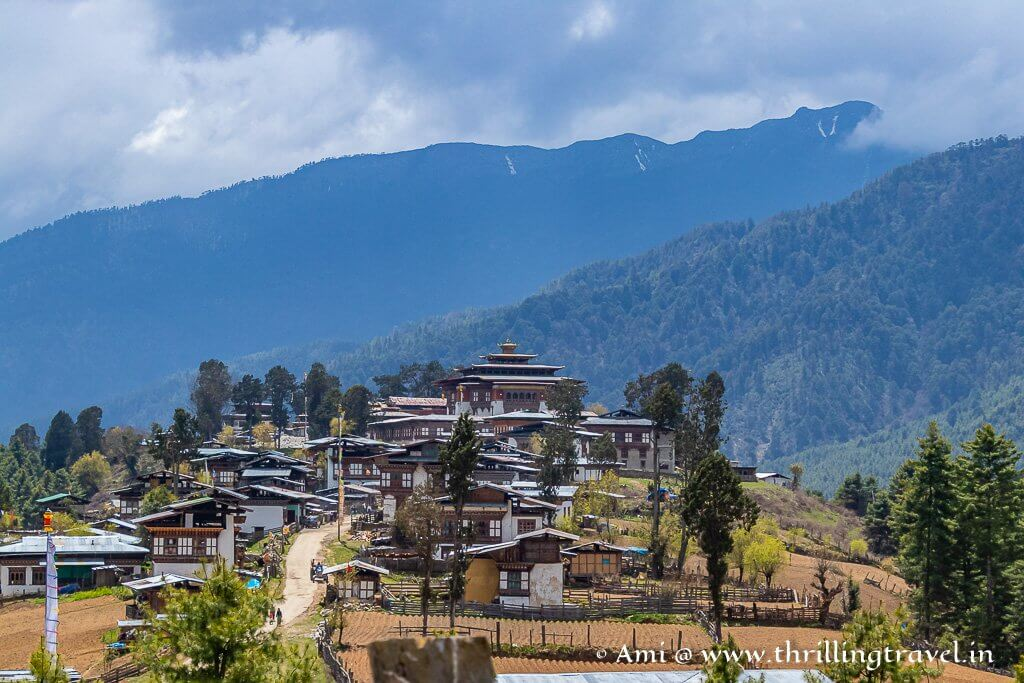
Phobjikha, situated in the Wangdue Phodrang District, is renowned for its pristine natural beauty and its role as a winter haven for the endangered black-necked cranes. The villages in Bhutan is located in a wide, glacial valley surrounded by lush forests and rolling hills. Phobjikha is also known for its traditional Bhutanese farming practices and the Gangtey Monastery, which is a significant cultural and spiritual site. The annual Black-Necked Crane Festival offers visitors a chance to witness traditional Bhutanese performances and learn about the conservation efforts for these majestic birds.
Exploring the villages in Bhutan provides a unique perspective on the country’s diverse cultural heritage and stunning natural landscapes. Each village, from the historic sites of Paro and Trongsa to the serene beauty of Phobjikha, offers a distinct experience that highlights the rich tapestry of Bhutanese life. These villages in Bhutan invite travelers to connect with the local culture, enjoy traditional festivals, and appreciate the breathtaking scenery that defines this extraordinary Himalayan kingdom.