
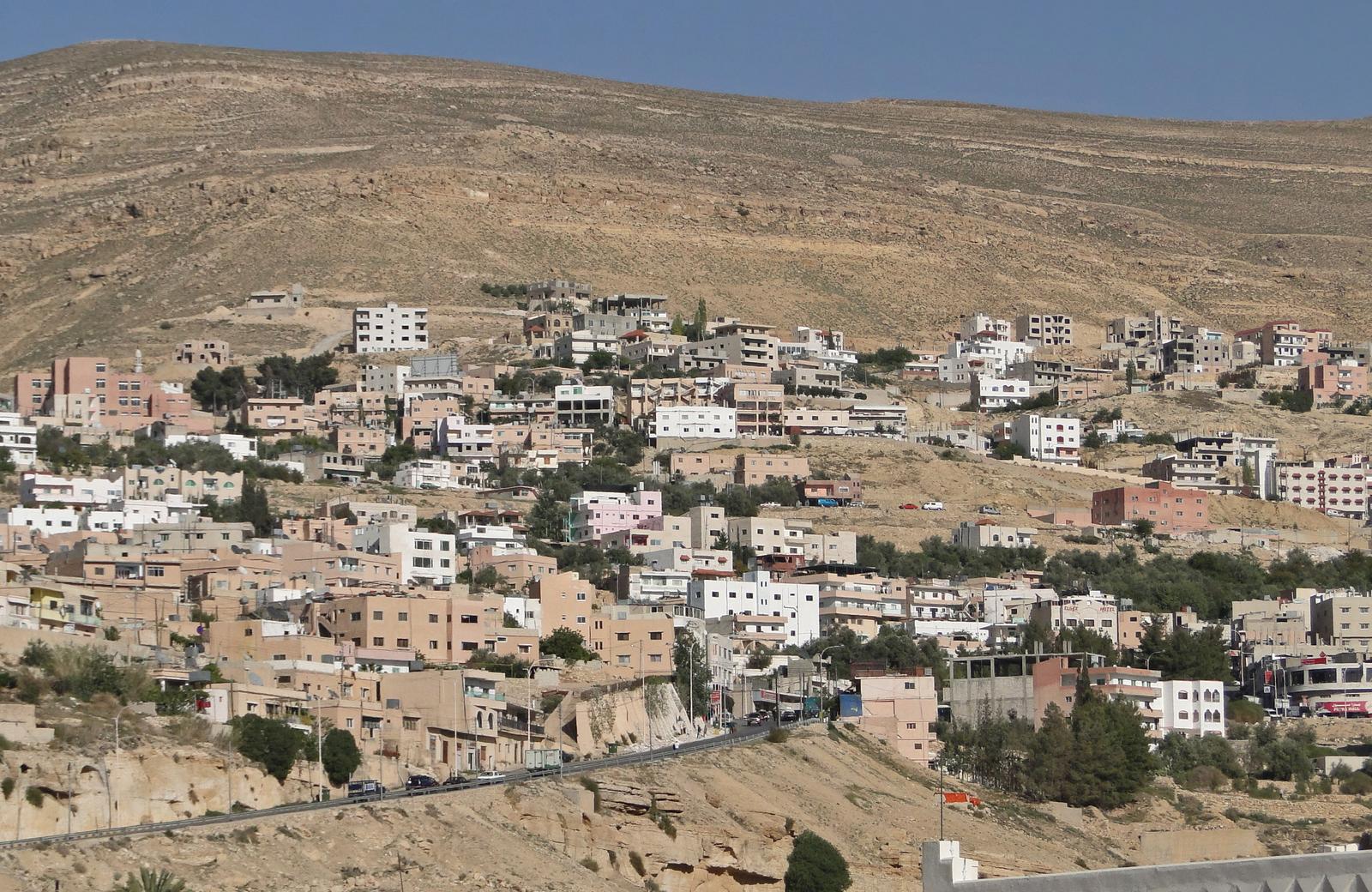
Villages of Jordan offer a mesmerizing glimpse into the country’s rich heritage, cultural traditions, and natural beauty. From ancient ruins and picturesque landscapes to vibrant local cultures, Villages of Jordan provide an unforgettable travel experience. Each Villages of Jordan is a window into the diverse aspects of Jordanian life, blending historical significance with breathtaking scenery. Here, we explore ten of the most captivating villages of Jordan that you must visit in your lifetime.
lets start journey towards the Villages of Jordan :
1. Wadi Musa
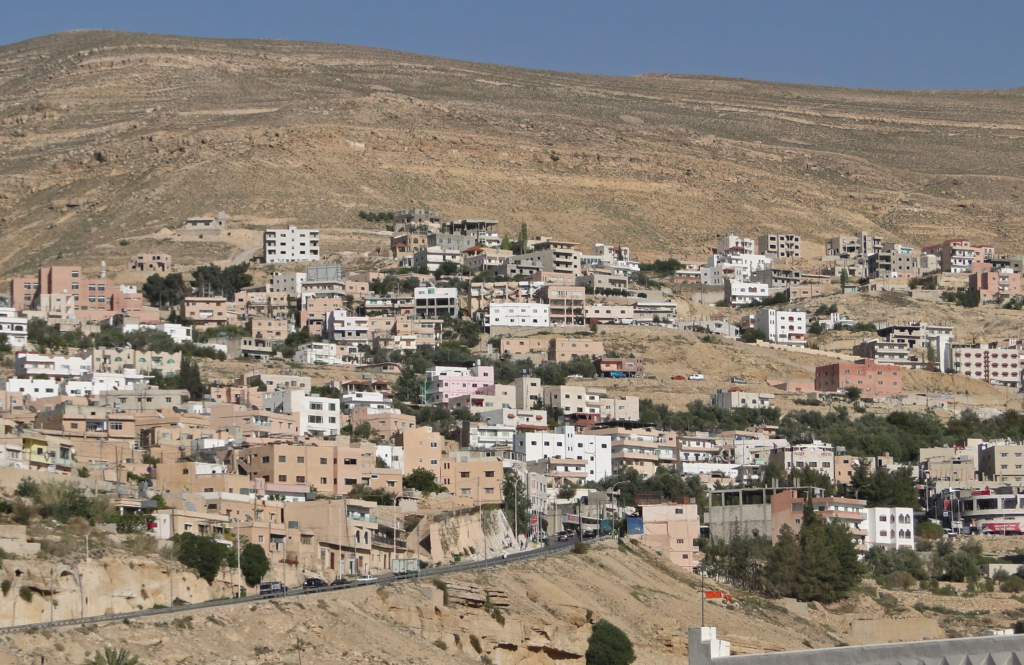
Wadi Musa, a gateway to the legendary Petra, is a village steeped in natural beauty and historical significance. Located in southern Jordan, Wadi Musa is surrounded by striking red sandstone cliffs and serves as the primary base for exploring Petra’s incredible rock-cut architecture. This village is more than just a staging ground for Petra; it boasts a lively atmosphere with various accommodations, local eateries, and markets that provide a taste of Jordanian life. Visitors can enjoy traditional Jordanian dishes, shop for handcrafted souvenirs, and experience the warm hospitality that defines Wadi Musa. Its close proximity to Petra allows travelers to seamlessly transition from exploring ancient wonders to relaxing in a charming village setting.
2. Dana Village
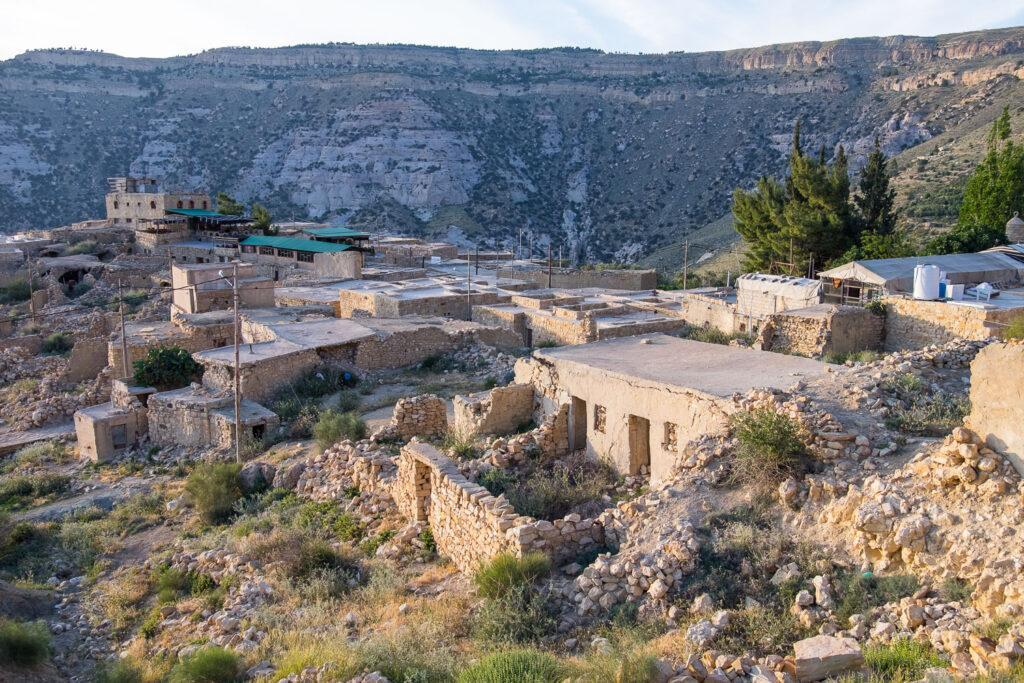
Dana Village, perched on the edge of the Dana Biosphere Reserve, is renowned for its commitment to sustainable tourism and eco-friendly practices. This village offers a spectacular view of the surrounding mountains and valleys, making it a prime spot for nature enthusiasts and hikers. The Dana Biosphere Reserve, Jordan’s largest nature reserve, is home to diverse ecosystems, including lush woodlands and arid deserts. Visitors can explore hiking trails, enjoy bird-watching, and engage with local Bedouin culture. Dana Village’s traditional stone houses and local crafts provide an authentic Jordanian experience, reflecting the village’s dedication to preserving its natural and cultural heritage.
3. Umm Qais
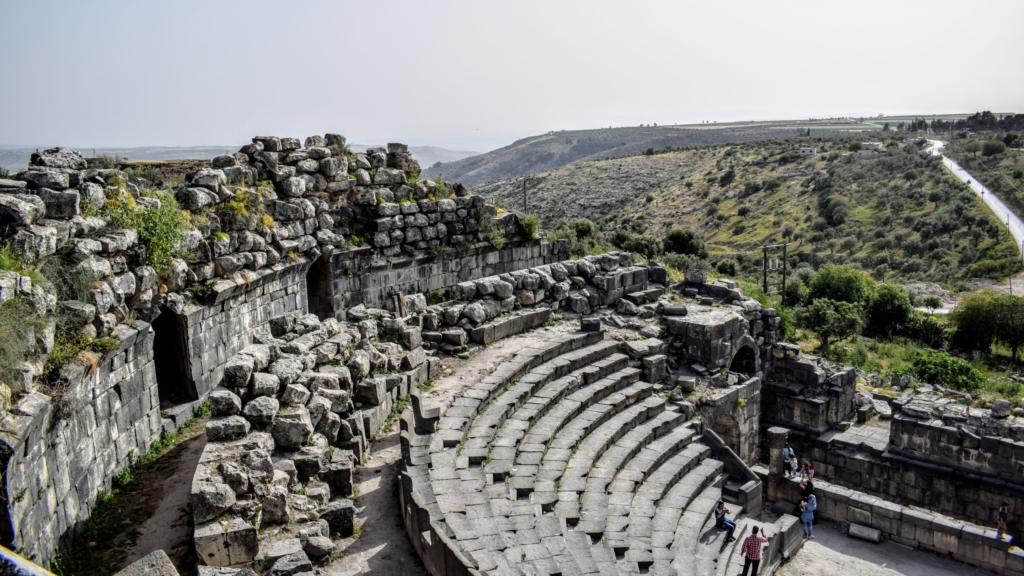
Umm Qais, historically known as Gadara, is a village rich in Greco-Roman history. Located in northern Jordan, Umm Qais is famous for its well-preserved ruins, including a grand theater, basilica, and colonnaded streets. The village offers panoramic views of the Golan Heights, the Sea of Galilee, and the Yarmouk River, making it a picturesque destination for history buffs and photographers alike. Umm Qais’s archaeological site provides a fascinating insight into ancient civilizations, and the village’s serene atmosphere allows visitors to enjoy a peaceful exploration of Jordan’s rich past. The combination of historical ruins and stunning natural views makes Umm Qais a unique and captivating village.
4. Madaba
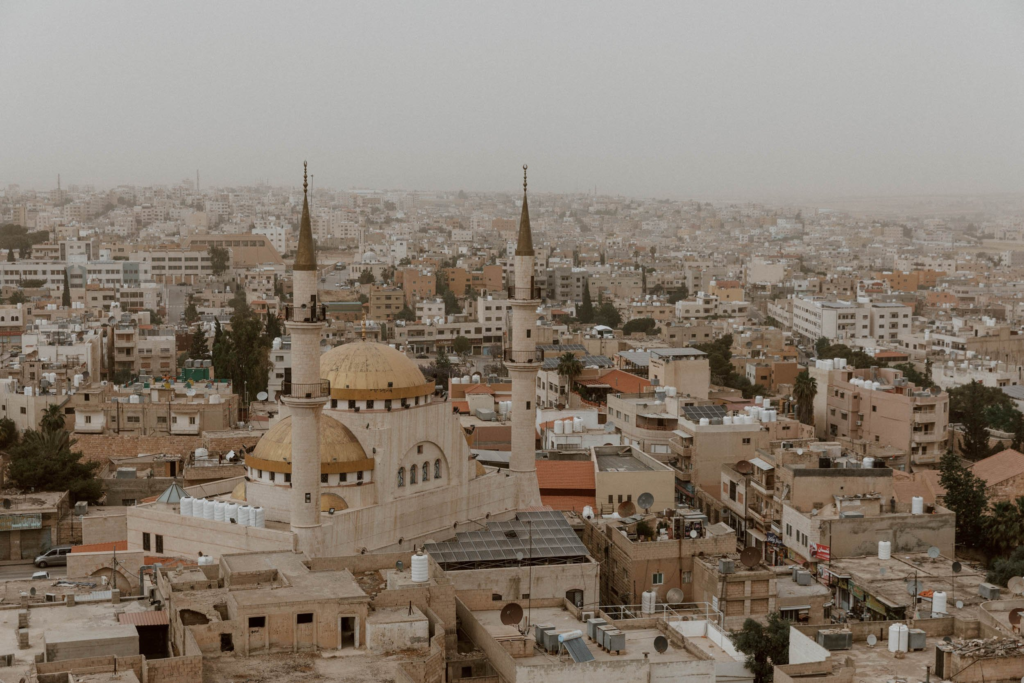
Madaba is renowned for its exceptional mosaics, including the famous Madaba Map, a 6th-century depiction of the Holy Land. Situated in central Jordan, Madaba is a vibrant village with a rich Christian heritage. The village is home to several important sites, such as the Church of St. George and the Church of the Apostles, which feature impressive mosaic floors. Madaba’s local markets offer a variety of traditional crafts and souvenirs, allowing visitors to experience the artistic and cultural heritage of the region. The village’s warm hospitality and vibrant artistic scene make it a must-visit destination for those interested in Jordanian culture and history.
5. Ajloun
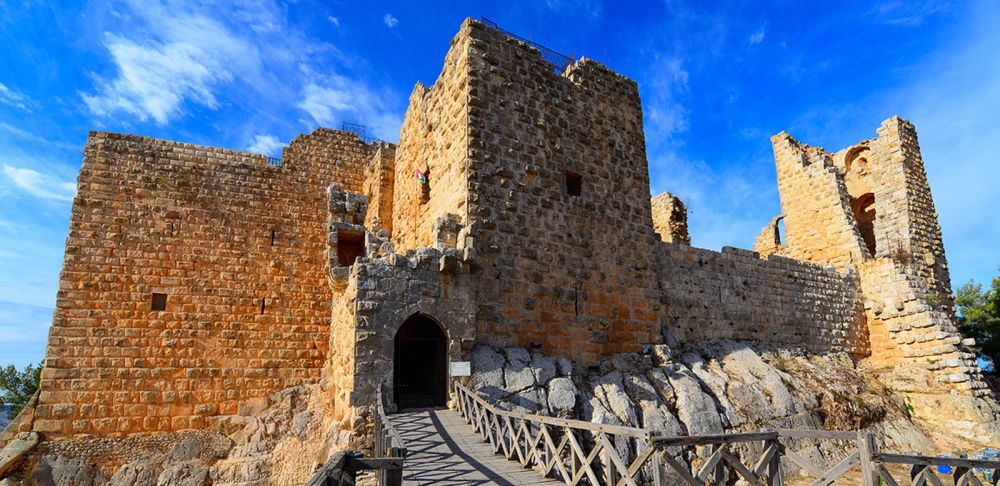
Ajloun is known for its majestic Ajloun Castle, a medieval fortress built in the 12th century by the Ayyubid ruler Saladin. Located in northern Jordan, Ajloun Castle offers commanding views of the surrounding landscape, including the Jordan Valley and the hills of Ajloun Forest. The village is surrounded by lush landscapes and traditional olive groves, enhancing its charm. Ajloun’s rich history and natural beauty make it a fascinating destination for visitors. The village’s historical significance, combined with its scenic surroundings and local crafts, provides a comprehensive experience of Jordanian culture and heritage.
6. Shobak
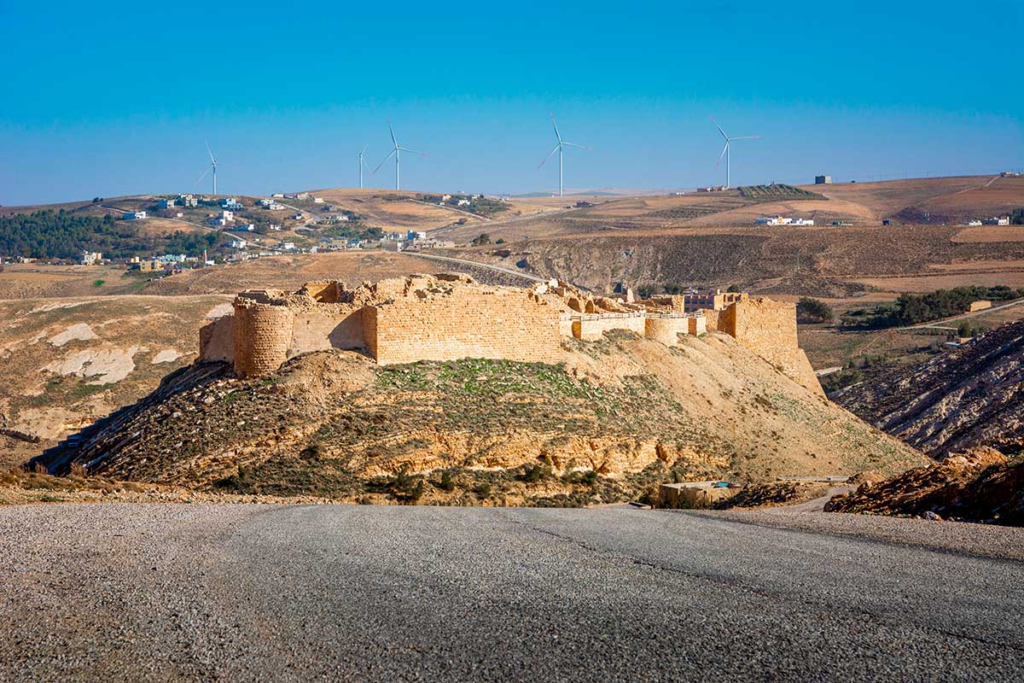
Shobak is renowned for the Shobak Castle, also known as Montreal Castle, which dates back to the Crusader period. Located in southern Jordan, Shobak features medieval fortifications and a dramatic desert landscape. The castle’s strategic location during the Crusades adds historical depth to the site, while the surrounding scenery offers a dramatic backdrop for exploration. Shobak’s blend of historical significance and natural beauty provides a unique travel experience, allowing visitors to explore Jordan’s medieval past while enjoying the stunning desert vistas.
7. Al Karak
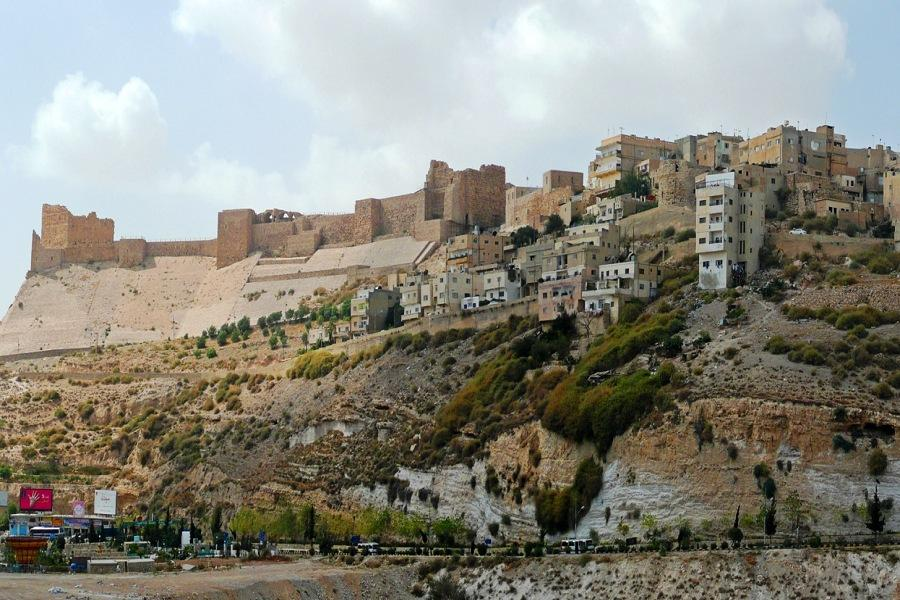
Al Karak is famed for its impressive Karak Castle, a massive Crusader fortress that dominates the village’s skyline. Situated in southern Jordan, the castle offers panoramic views of the surrounding plains and is a key historical site. The village itself is vibrant, with traditional markets and local eateries that reflect Jordanian culture. Al Karak’s historical significance, combined with its lively atmosphere and local attractions, provides a well-rounded experience of Jordanian heritage. Visitors can explore the castle’s impressive architecture, enjoy local cuisine, and immerse themselves in the village’s cultural traditions.
8. Petra Village

Petra Village is located near the archaeological site of Petra and offers a traditional Jordanian experience with its charming streets and local markets. The village serves as a convenient base for exploring Petra, featuring traditional architecture and authentic Jordanian cuisine. Petra Village’s warm hospitality and cultural vibrancy enhance the experience of visiting the ancient city. The village’s local markets offer handcrafted souvenirs and traditional crafts, allowing visitors to engage with Jordanian culture while exploring the nearby historical wonders.
9. Al-Mafraq
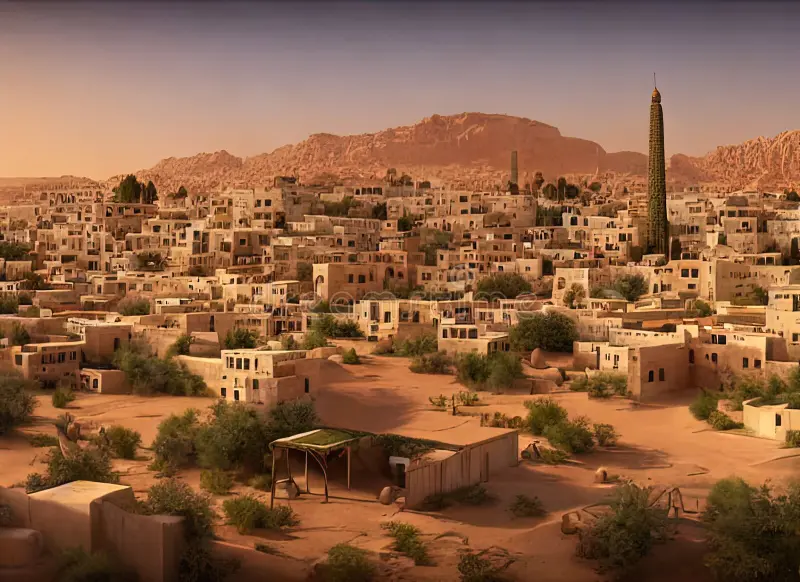
Al-Mafraq is known for its traditional Bedouin culture and desert landscapes. Located in northern Jordan, the village provides a unique experience with its Bedouin hospitality, local customs, and scenic desert vistas. Visitors can explore the surrounding desert, engage in traditional Bedouin activities such as camel riding and desert camping, and appreciate the tranquil beauty of the rural landscape. Al-Mafraq’s cultural richness and natural allure make it a distinctive destination among the villages of Jordan, offering a glimpse into traditional Bedouin life and the stunning desert environment.
10. As-Salt
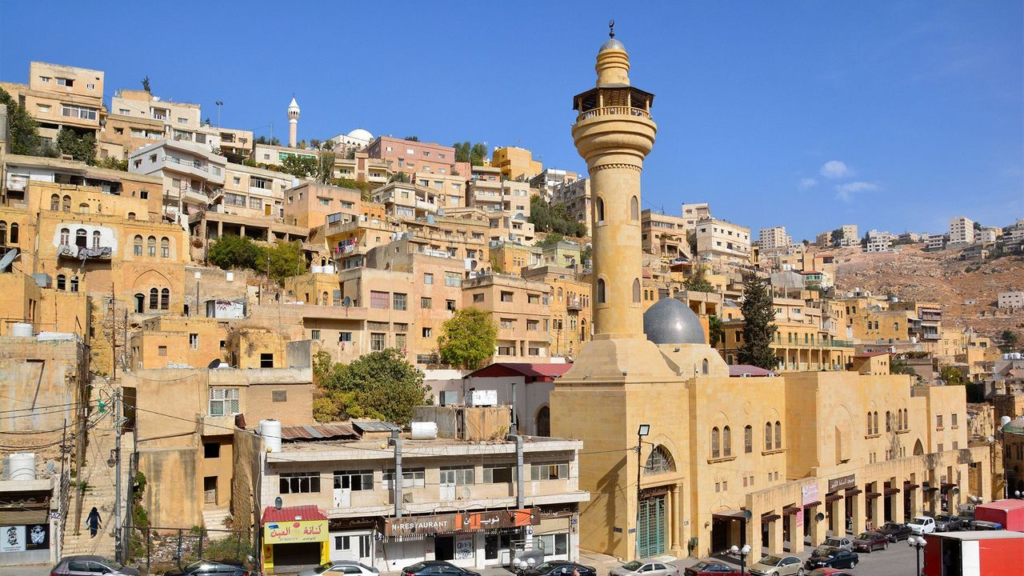
As-Salt is a historic village located northwest of Amman, known for its well-preserved Ottoman-era architecture and charming old streets. Recognized as a UNESCO World Heritage site, As-Salt offers a unique architectural and cultural heritage. The village features traditional houses, bustling markets, and historical landmarks that provide a rich cultural experience. Visitors can explore the village’s historic sites, enjoy local cuisine, and immerse themselves in Jordan’s diverse history. As-Salt’s blend of historical significance and local charm makes it a captivating destination for those interested in Jordanian heritage.
The villages of Jordan offer an array of experiences that reflect the country’s rich cultural tapestry and natural beauty. From exploring ancient ruins and historic castles to engaging with traditional Bedouin culture and enjoying picturesque landscapes, each Villages of Jordan provides a unique perspective on Jordan’s heritage. Whether you’re interested in history, nature, or local traditions, these captivating villages of Jordan promise an unforgettable journey through one of the Middle East’s most enchanting countries.