

Villages of Japan are often described as hidden gems that showcase the country’s rich cultural heritage and stunning natural landscapes. These charming locales offer an escape from the bustling city life and provide a serene glimpse into Japan’s traditional way of life. From snow-capped mountains to serene hot springs, the villages of Japan are a testament to the country’s commitment to preserving its historical and natural beauty. Here, we explore ten of the most enchanting villages that you must visit to truly experience the magic of Japan’s countryside.
1. Shirakawa-go, Gifu
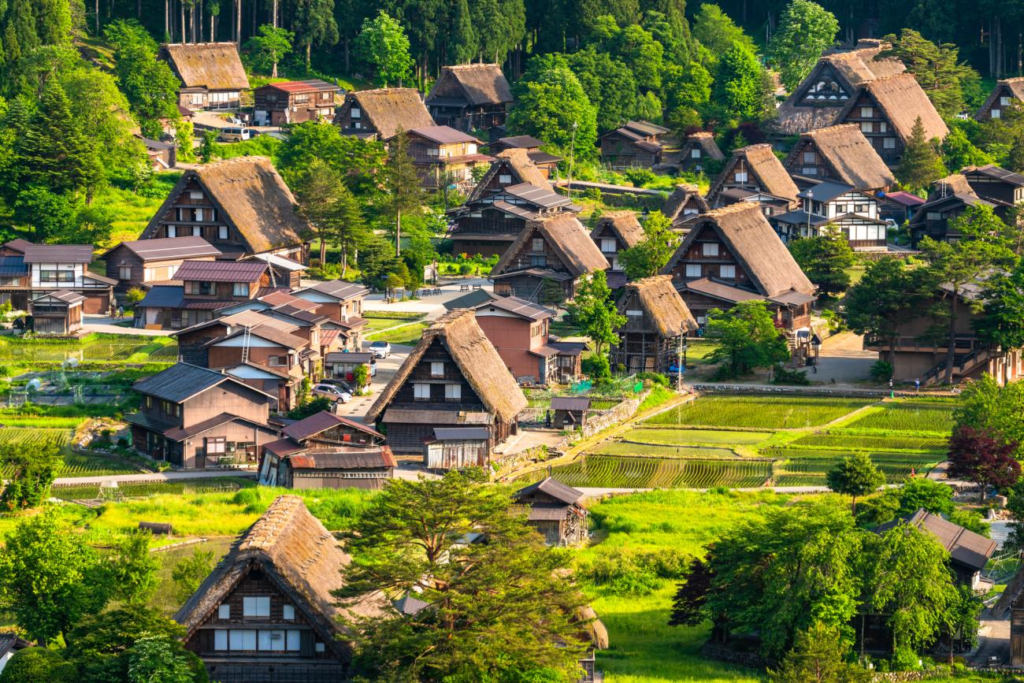
Nestled in the mountainous region of Gifu Prefecture, Shirakawa-go is renowned for its traditional gassho-zukuri farmhouses. These unique structures are characterized by their steep thatched roofs, designed to withstand heavy snowfall. The village’s picturesque setting transforms into a winter wonderland when snow blankets the rooftops, creating a scene of breathtaking beauty. Shirakawa-go is a UNESCO World Heritage site, preserving its historical architecture and offering visitors a glimpse into Japan’s rural past. The village’s charm is further enhanced by its surrounding natural beauty, making it a must-visit destination among the villages of Japan.
2. Takayama, Gifu
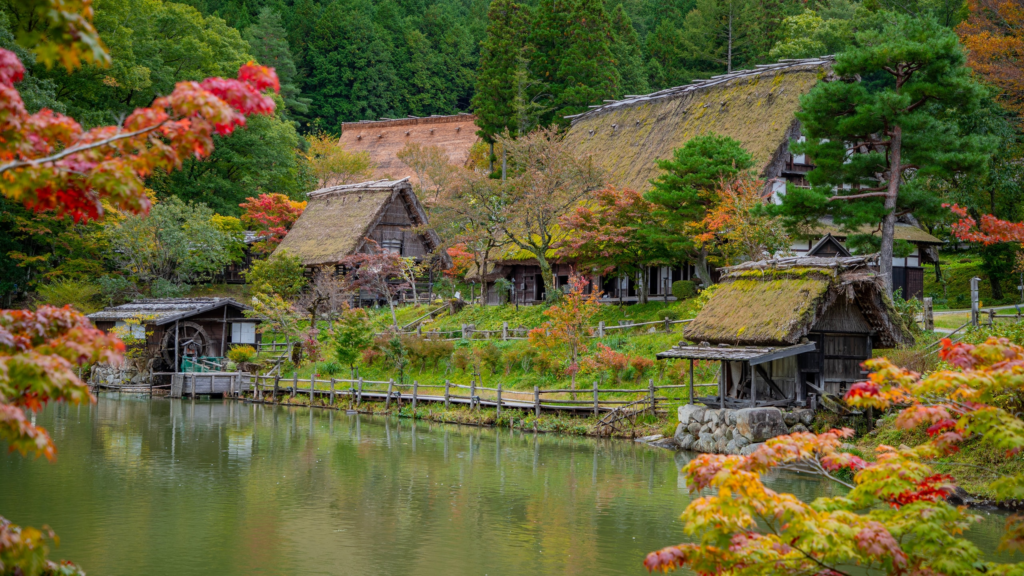
Often referred to as “Little Kyoto,” Takayama is a village in the Hida region that boasts well-preserved Edo-period streets and traditional wooden houses. The village is famous for its vibrant morning markets, where local artisans and farmers display their fresh produce and crafts. Takayama’s annual festival, the Takayama Matsuri, is one of Japan’s most beautiful celebrations, featuring ornate floats and traditional performances. The combination of historical streets, cultural festivals, and local markets makes Takayama a standout among the villages of Japan.
3. Kurokawa Onsen, Kumamoto
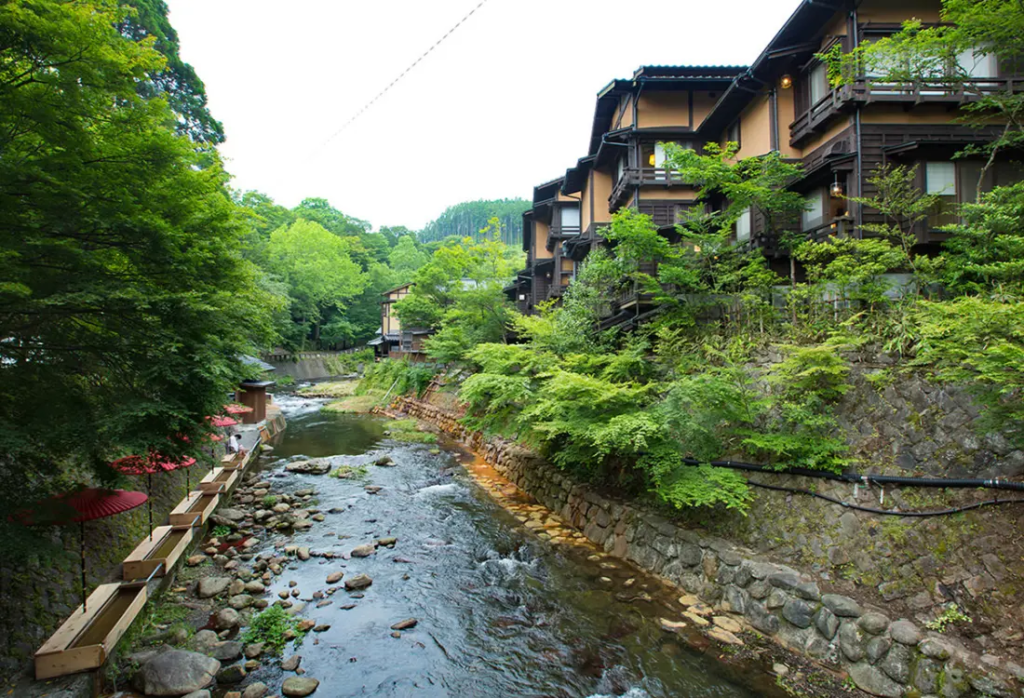
For those seeking relaxation, Kurokawa Onsen offers a quintessential hot spring experience. Located in the mountains of Kumamoto Prefecture, this quaint village is known for its numerous traditional ryokan (Japanese inns) and natural hot springs. The village’s rustic charm and soothing waters provide a tranquil escape from the hustle and bustle of modern life. Kurokawa Onsen’s scenic environment and historical atmosphere make it a serene retreat within the villages of Japan.
4. Ouchi-juku, Fukushima
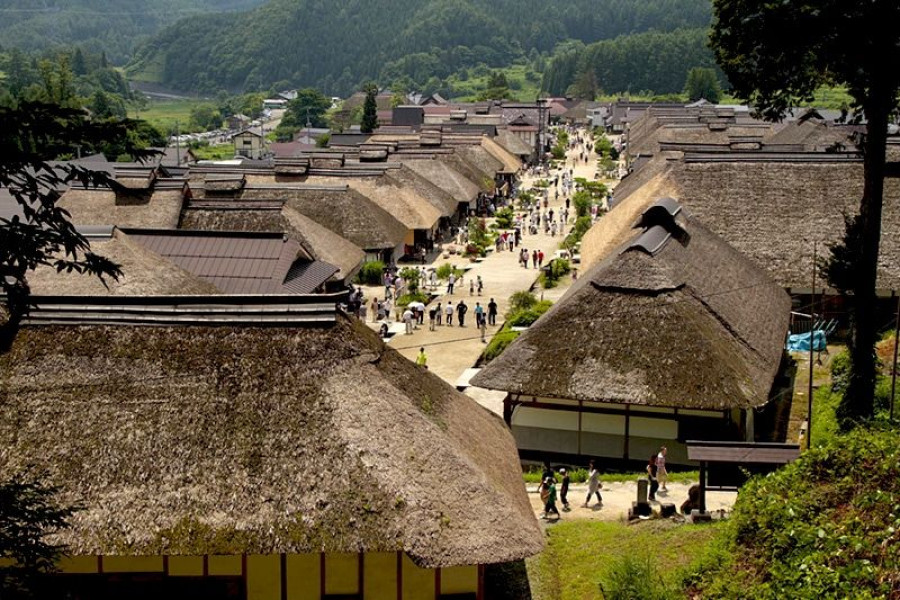
Ouchi-juku is a historic post town that played a crucial role along the Aizu-Nishi Kaido trade route during the Edo period. The village is renowned for its well-preserved thatched-roof houses and traditional ambiance. Walking through Ouchi-juku feels like stepping back in time, with its charming streets and historical buildings offering a nostalgic experience. The village’s preservation of traditional architecture and its historical significance make it an essential visit among the villages of Japan.
5. Higashiyama, Kyoto

While Kyoto is renowned for its temples and shrines, the Higashiyama district offers a distinct charm with its traditional streets and historic buildings. This area is home to several beautifully preserved tea houses and shops that reflect the old-world elegance of Kyoto. The scenic beauty of Higashiyama, combined with its cultural significance, provides a captivating experience for visitors exploring the villages of Japan.
6. Magome, Gifu

Another gem along the Nakasendo Trail, Magome is a well-preserved post town that connects Kyoto and Edo (now Tokyo). The village features traditional wooden buildings and a scenic setting that showcases Japan’s historical travel routes. Walking through Magome offers a glimpse into the past, with its charming streets and historical ambiance providing an immersive experience. The village’s historical value and picturesque landscape make it a noteworthy destination among the villages of Japan.
7. Inakadate, Aomori

Known for its unique rice paddy art, Inakadate transforms its rice fields into vibrant canvases through creative agricultural designs. The village’s artistic approach to rice farming has gained international recognition and adds a distinctive touch to its rural landscape. Inakadate offers visitors a blend of artistic innovation and traditional rural life, making it a standout destination within the villages of Japan.
8. Narai-juku, Nagano
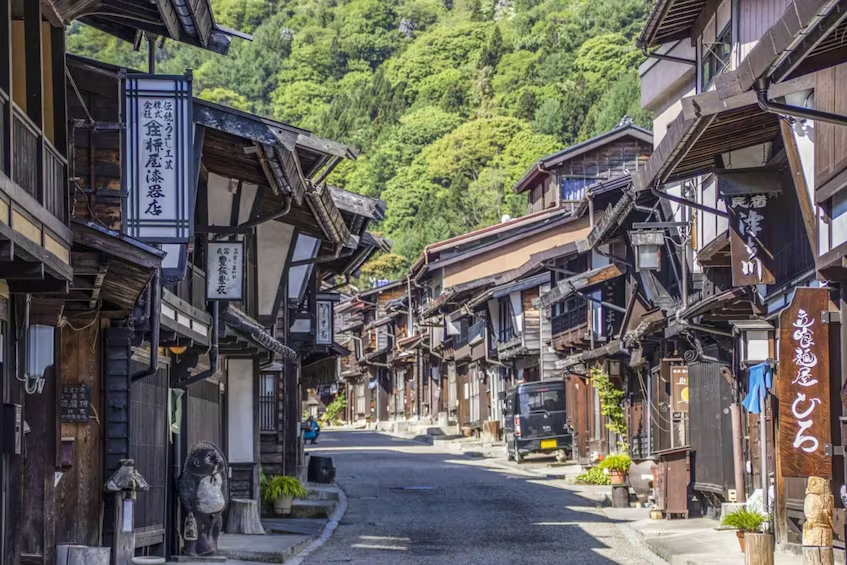
Narai-juku is another historic post town along the Nakasendo Trail, known for its well-preserved Edo-period architecture and traditional atmosphere. Often referred to as “Narai of 1000 Houses,” the village’s historical buildings and charming streets provide a fascinating journey through Japan’s past. Narai-juku’s preservation of traditional elements and its picturesque setting make it a significant destination among the villages of Japan.
9. Semboku, Akita
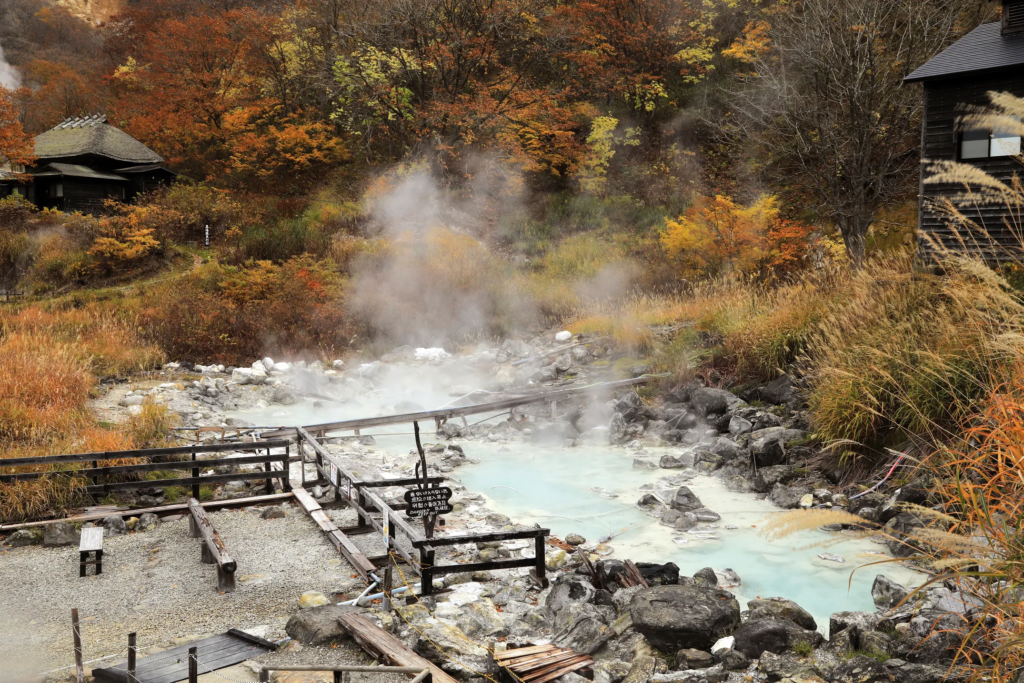
In the Akita Prefecture, Semboku is a picturesque village surrounded by lush green fields and traditional Japanese architecture. The village offers stunning views of the surrounding mountains and is home to several historic sites and traditional festivals. Semboku’s scenic beauty and cultural heritage provide a rich experience for visitors exploring the villages of Japan.
10. Aso, Kumamoto
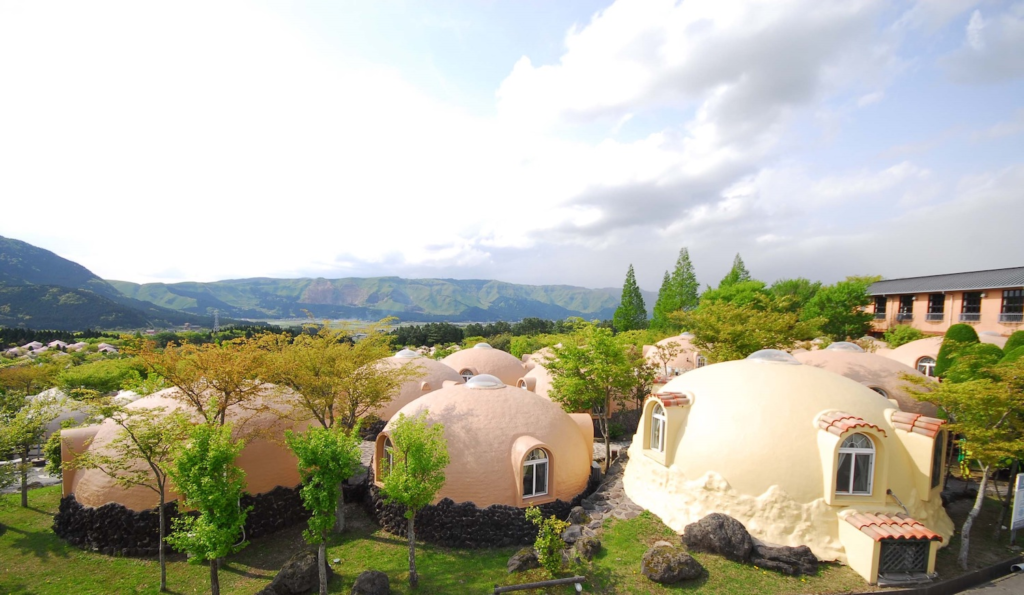
Located near the Aso Volcano, Aso is a charming village that offers breathtaking landscapes, including vast calderas and lush pastures. The village’s unique geographical features and traditional Japanese culture create a memorable destination for nature lovers and history enthusiasts alike. Aso’s natural beauty and cultural significance make it a remarkable spot among the villages of Japan.
The villages of Japan provide a diverse range of experiences, each offering its own unique charm and historical significance. From ancient post towns to serene hot spring retreats, these enchanting villages allow visitors to explore Japan’s rich cultural heritage and stunning natural landscapes. Whether you’re drawn to historical architecture, traditional festivals, or scenic beauty, the villages of Japan promise an unforgettable journey through the country’s countryside.