

A tragic incident at one of Thailand’s most iconic religious landmarks has once again drawn attention to the physical demands and potential risks associated with steep tourist climbs. A Canadian tourist lost his life while attempting to ascend the 1,260-step staircase leading to the summit of the Tiger Cave Temple in Krabi.
The man, whose identity has not yet been publicly disclosed, reportedly collapsed near the 1,100th step during the climb on March 29. He had been making the journey alongside his 61-year-old Thai wife, who later recounted that he complained of dizziness shortly before losing consciousness. Despite efforts by bystanders and emergency responders, he could not be revived, adding to a growing list of similar incidents at the site in recent years.
A Demanding Climb Turns Fatal
The Tiger Cave Temple, known locally for its steep and physically taxing staircase, has long attracted visitors seeking both spiritual fulfillment and panoramic views. However, the climb is far from easy. The staircase consists of uneven, narrow steps that require sustained effort and endurance, particularly in Thailand’s hot and humid climate. For many, the ascent becomes increasingly difficult as they approach the higher levels, where fatigue and dehydration can set in rapidly.
In this case, the Canadian tourist had already completed a significant portion of the climb, reaching approximately the 1,100th step before collapsing. Witnesses at the scene reportedly attempted to provide assistance immediately, trying to revive him while waiting for emergency services to arrive. The Krabi Phithak Pracha Foundation responded to the situation and reached the man on the staircase, but by that time, he had no detectable pulse. Despite their efforts, he could not be resuscitated.
Transporting the body down the steep and lengthy staircase posed another challenge for rescue personnel, highlighting the logistical difficulties that come with emergencies at such elevated and hard-to-access locations. The incident occurred just three days after a similar tragedy, where a 68-year-old Thai man collapsed and died at the summit of the same temple, further emphasizing the recurring nature of such events.
Rising Concerns Over Safety Measures
The repeated incidents at the Tiger Cave Temple have sparked renewed debate over safety measures and whether more needs to be done to protect visitors. While the site remains a major tourist attraction, its physically demanding nature has led to increasing calls for intervention, particularly as more elderly visitors and unprepared tourists attempt the climb.
Thai social media users and local observers have voiced concerns about the lack of structured safety systems at the temple. Suggestions have ranged from installing a cable car to provide an alternative means of reaching the summit, to implementing stricter guidelines for those attempting the climb. Some have proposed limiting access based on age or physical fitness, while others advocate for mandatory health screenings before visitors begin the ascent.
Read : Strangers Save 71-Year-Old Jeff Zimmerman Brutally Attacked While Walking Dog in Cave Creek
The challenge lies in balancing accessibility with safety. The temple’s appeal is closely tied to the effort required to reach its summit, which many see as part of a spiritual and physical journey. However, the increasing number of medical emergencies suggests that relying solely on personal judgment may not be sufficient, especially for tourists unfamiliar with the conditions or overestimating their physical capabilities.
Read : Exploring Earth’s Hidden Wonders: The Top Ten Largest Caves in the World
Climbing the staircase in high temperatures significantly increases the risk of dehydration, heat exhaustion, and cardiovascular strain. These factors can affect even relatively healthy individuals, making it essential for visitors to properly assess their fitness levels and prepare accordingly. Despite this, many tourists continue to attempt the climb without adequate precautions, often underestimating the intensity of the experience.
A Pattern of Incidents at Popular Tourist Sites
The recent death is not an isolated case but part of a broader pattern of incidents linked to strenuous tourist activities. In March 2023, a 70-year-old Australian tourist died after completing the same climb, while in January of that year, a 19-year-old German tourist suffered injuries after fainting and falling near the summit. These cases highlight that the risks are not limited to older individuals but can affect people across different age groups.
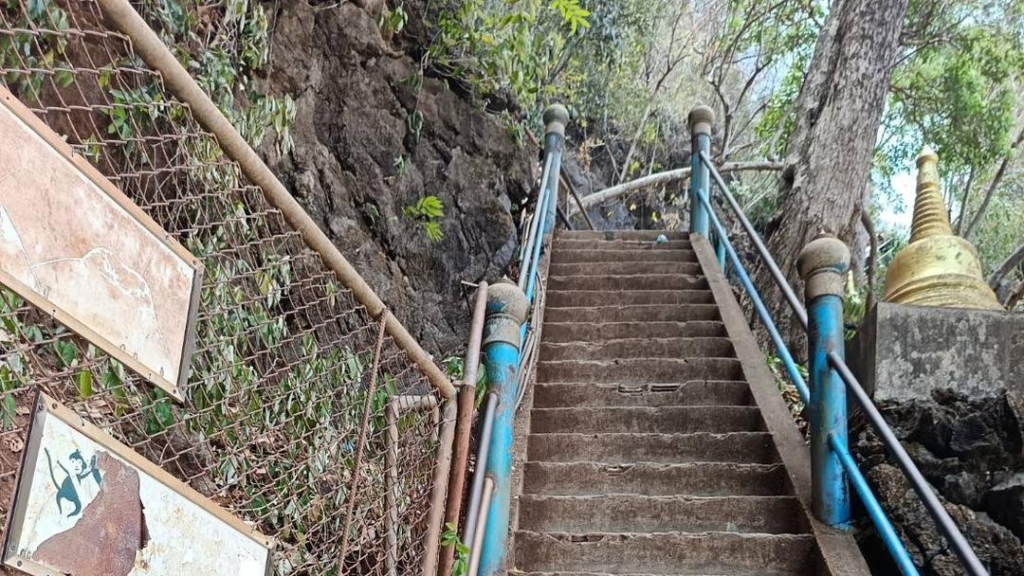
The combination of physical exertion, environmental conditions, and limited immediate medical access creates a situation where even minor health issues can quickly escalate into serious emergencies. Unlike urban settings where medical facilities are readily available, remote or elevated tourist sites often rely on delayed response times, which can prove critical in life-threatening situations.
Authorities now face mounting pressure to address these concerns without compromising the cultural and spiritual significance of the site. Potential measures could include increasing the presence of medical staff, setting up rest points with hydration facilities, or providing clearer warnings about the difficulty of the climb. Educational campaigns aimed at informing tourists about the risks and necessary precautions could also play a role in preventing future incidents.
For visitors, the tragedy serves as a reminder of the importance of preparation and self-awareness when engaging in physically demanding activities. Ensuring proper hydration, taking frequent breaks, and recognizing early signs of distress can make a significant difference. More importantly, individuals should be willing to turn back if conditions become too challenging, rather than pushing forward at the risk of their health.
As tourism continues to grow in destinations like Krabi, the need for sustainable and safe practices becomes increasingly important. The balance between preserving the authenticity of such experiences and ensuring visitor safety remains a complex issue, but one that cannot be ignored in light of repeated tragedies.