
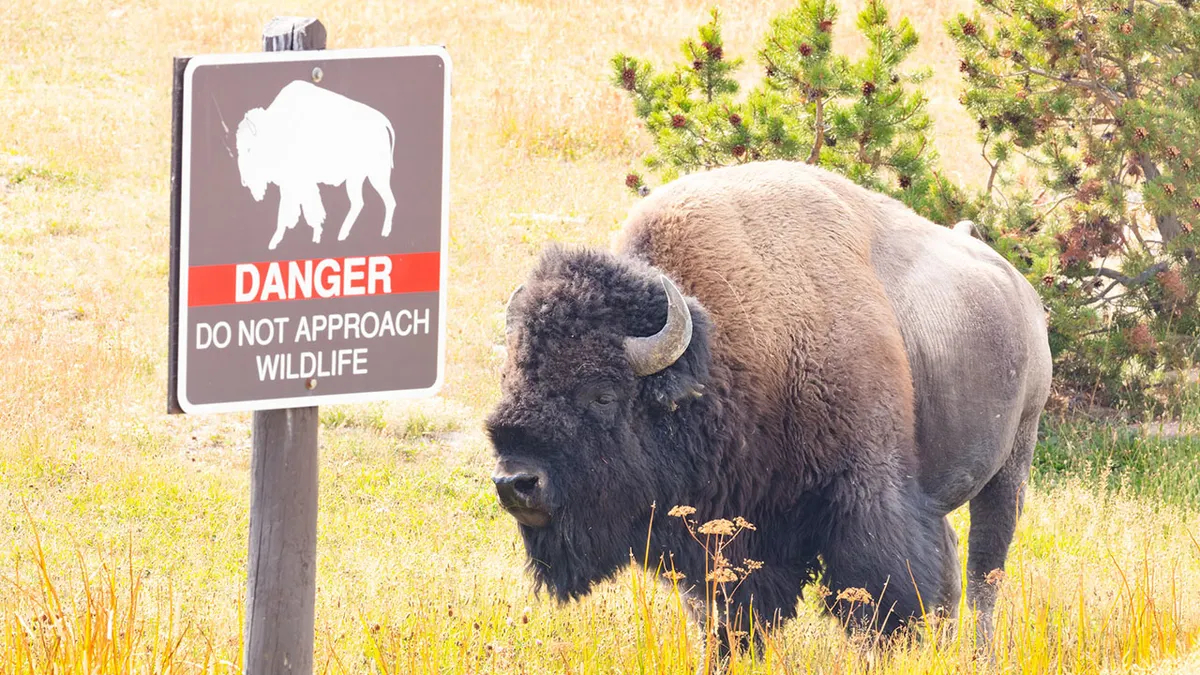
A routine visit to Yellowstone National Park turned into a dangerous encounter when a Tourist Gored by a Bison. The incident occurred in the Old Faithful area around 9:45 a.m., as a group of visitors came too close to one of the park’s most iconic but unpredictable animals.
The injured man, a 30-year-old from Randolph, New Jersey, sustained minor injuries and was treated at the scene before being transported by first responders. Park officials have not released his name, citing an ongoing investigation.
This is not the first time such an incident has happened in Yellowstone. In fact, it marks the second bison attack in the park this spring alone. Despite warnings and clearly stated park regulations, visitors continue to underestimate the danger of approaching wild animals, especially bison, which are responsible for more injuries in Yellowstone than any other species. Their immense size, combined with surprising speed and agility, makes them a serious threat when provoked or approached.
Bison Encounters: A Pattern of Risky Behavior
Bison are one of the most recognized symbols of the American wilderness, and Yellowstone is home to the largest population on public land. However, their size and presence often lure visitors into a false sense of safety. Standing up to six feet tall and weighing as much as 2,000 pounds, these powerful animals can charge at speeds of up to 35 mph. That’s faster than the world’s fastest sprinters. When provoked or even mildly threatened, they are capable of inflicting serious harm.
The incident involving the New Jersey man isn’t isolated. On May 7, earlier this spring, a 47-year-old tourist from Cape Coral, Florida, was also gored by a bison in the Lake Village area of the park. Fortunately, like the more recent case, his injuries were minor. Still, these recurring events serve as grim reminders of what can go wrong when park rules are ignored.
Read : Yellowstone National Park: Exploring Nature’s Wonderland
In addition to the incidents this year, 2023 also saw a goring in Yellowstone, where a woman from Arizona was attacked. The previous year, in 2022, at least two other people were injured by bison in the park. Most recently, in 2024, an 83-year-old woman from South Carolina was seriously injured in a similar encounter. These statistics highlight the persistent problem of tourists either misjudging or ignoring the risks posed by these animals.
Understanding Bison Behavior and the Importance of Distance
What makes bison so unpredictable, and why do they attack? According to park officials and wildlife experts, bison are naturally defensive creatures. While they may appear calm and slow-moving, they are incredibly protective of their space and young. When they perceive a threat—be it a loud noise, a sudden movement, or a person getting too close—they may respond with aggression.
Read : 17-Year-Old Autistic Teen Shot Nine Times by Police in Idaho
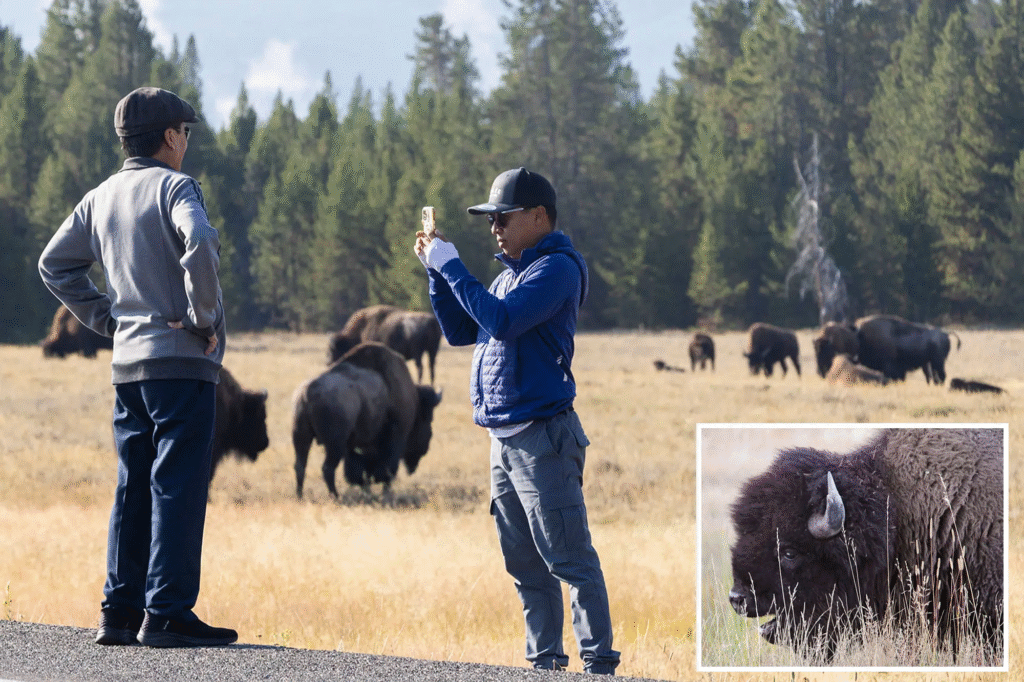
Yellowstone National Park has clear and specific rules for interacting with wildlife. Visitors must stay at least 25 yards away from bison and other large herbivores and 100 yards away from predators such as bears and wolves. These regulations are not suggestions—they are based on decades of data, research, and countless unfortunate incidents.
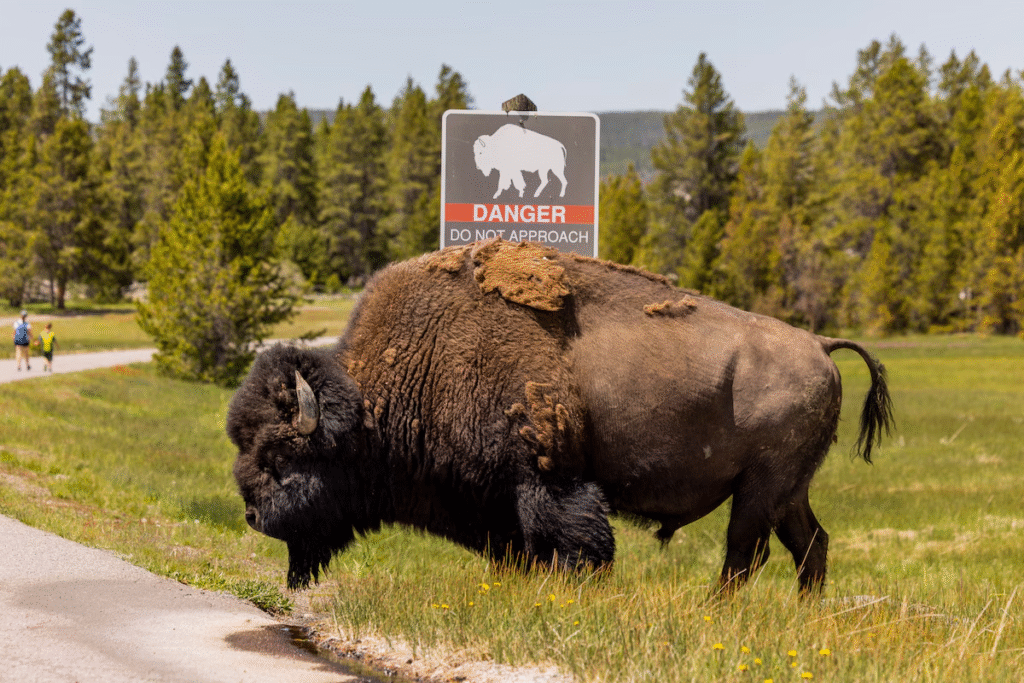
Despite this, many tourists continue to breach these guidelines, often in an attempt to get a closer photo or video. The desire to capture a unique social media moment can cloud judgment and result in dangerous outcomes. In most goring incidents, the common denominator is human encroachment. The animals, feeling cornered or threatened, react in the only way they know how—defensively and, sometimes, violently.
Yellowstone officials emphasize that these are wild animals in their natural habitat. It’s crucial to respect that space and to remember that this isn’t a zoo. There are no barriers, no safety nets. The responsibility lies with the visitors to maintain a safe distance and follow posted instructions.
The Larger Implications for Park Safety and Wildlife Conservation
Incidents like these have broader implications beyond the individual tourists involved. They also raise concerns about public understanding of wildlife and conservation ethics. Yellowstone National Park is not only a treasured tourist destination but also a carefully managed ecosystem. It is home to a wide range of wildlife species that rely on minimal human interference to thrive.
When visitors violate park rules, they not only endanger themselves but also disrupt the behavior and patterns of the animals. Repeated human interactions can lead to stress in wildlife, alter natural habits, and sometimes lead to animals being euthanized if they become overly aggressive or lose their fear of humans. That’s a tragic and unnecessary consequence of avoidable human behavior.
Moreover, each such incident puts strain on park resources. Rangers, medical personnel, and other staff must divert their attention to handling emergencies that could have been prevented. In a park that spans over 3,400 square miles, resources are already stretched thin. Every preventable injury or rescue pulls personnel away from other critical conservation and maintenance duties.
Education is a key part of prevention. Park authorities and conservation organizations continually work to raise awareness among visitors about how to safely enjoy the park. Signage, brochures, and even ranger-led programs stress the importance of keeping a respectful distance from animals. However, real change depends on whether visitors internalize and act upon this information.
In an era where many people seek “authentic” nature experiences, it’s essential to remember that nature is not a theme park. There are real risks involved, and respecting those boundaries is what makes the experience both safe and meaningful. The allure of Yellowstone lies in its wildness—but that wildness comes with responsibilities for all who enter it.
While the man injured in the latest incident was lucky to escape with minor injuries, his experience should serve as a cautionary tale. It is yet another reminder that Yellowstone’s animals are not just picturesque background elements—they are powerful, living beings with instincts and behaviors that demand respect.
Let this serve as a wake-up call for all future visitors. Admire the bison from afar, enjoy the majesty of the landscape, and take home memories, not injuries. Yellowstone is a gift to all who visit—but only if they respect its rules and its residents.