
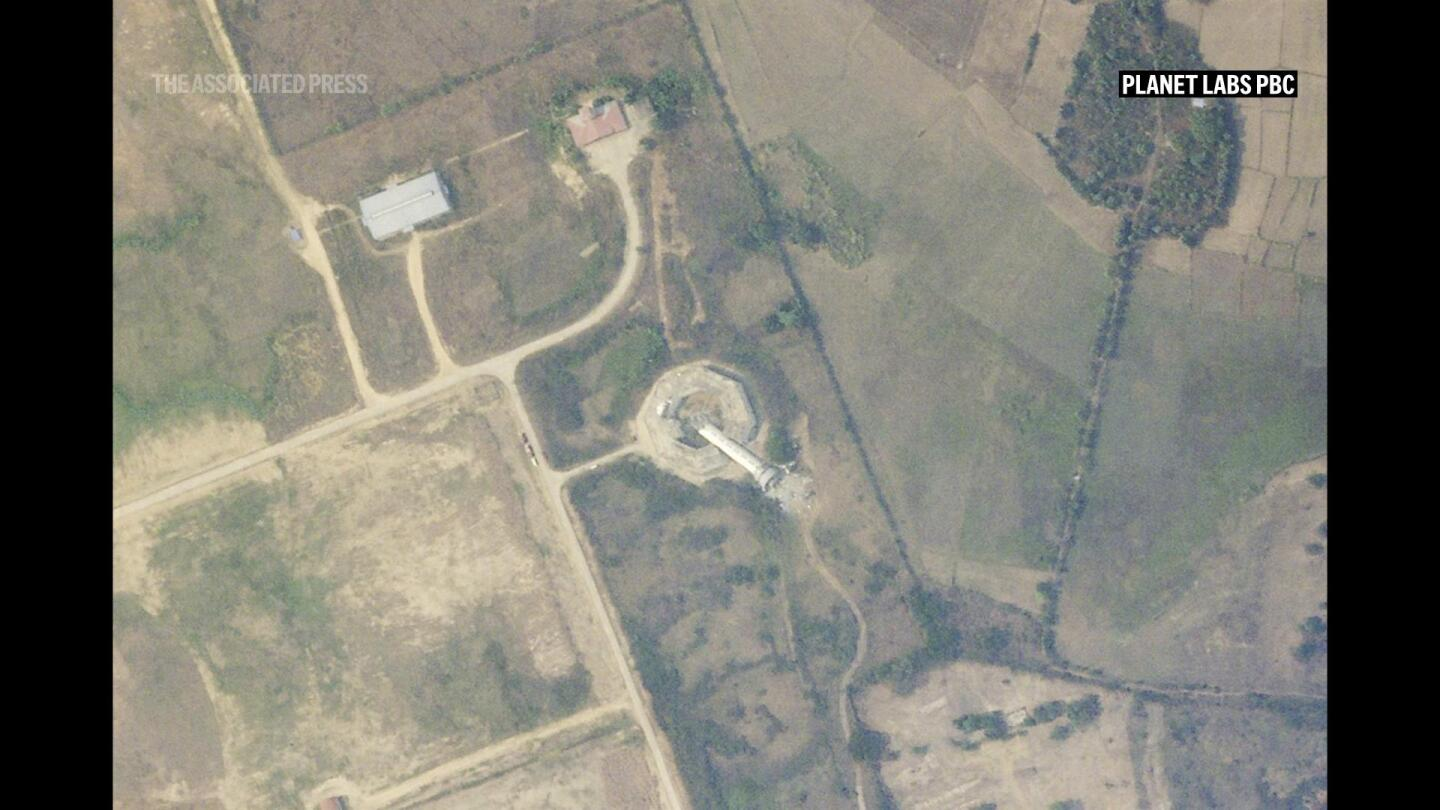
The recent 7.7-magnitude earthquake in Myanmar has caused widespread devastation, claiming over 1,000 lives and leaving thousands injured. One of the most shocking impacts of the quake was the collapse of the air traffic control tower at Naypyitaw International Airport.
The destruction of this critical infrastructure has severely affected air traffic in and out of the Myanmar capital. Satellite images analyzed by experts show that the tower toppled as if it had been uprooted from its base, with debris scattered around.
This catastrophe highlights the devastating effects of the earthquake and the broader challenges faced by Myanmar in the aftermath of the disaster.
Impact on Air Traffic and Rescue Operations
The collapse of the air traffic control tower at Naypyitaw International Airport has severely disrupted flight operations. The tower served as the primary facility for monitoring and controlling air traffic within the region. With its destruction, all communication and radar systems were rendered inoperative, making it impossible to manage flights safely.
As a result, flights that were scheduled to land at Naypyitaw were diverted to Yangon, Myanmar’s largest city and another major international gateway.
This disruption has had serious consequences for emergency response efforts. Rescue teams and aid supplies, which are crucial for assisting the affected population, have faced delays due to the inability to land directly in the earthquake-stricken areas.
Reports indicate that rescue flights from China had to be redirected to Yangon instead of landing in the most affected cities such as Mandalay and Naypyitaw. This redirection has added logistical challenges to an already dire situation, as emergency responders have to travel by land or arrange alternative transport to reach those in need.
Read : Most Unique House That Has Kitchen In Myanmar and Bedroom In India: Watch
Additionally, the destruction of the control tower raises concerns about Myanmar’s overall aviation infrastructure. Without a functioning air traffic control system in Naypyitaw, flights in the region must rely on alternative coordination methods, which may not be as efficient or safe.
Read : Seoul Tower: A Beacon of Beauty and Innovation in South Korea’s Capital
The lack of real-time monitoring and communication poses risks for both commercial and rescue flights operating in the area. Authorities are now working to establish temporary air traffic control measures to mitigate these challenges and ensure that essential flights can continue safely.
Rising Death Toll and Humanitarian Crisis
The earthquake has had a catastrophic impact on Myanmar’s population, with official figures confirming over 1,000 deaths and more than 2,300 injuries. However, these numbers are expected to rise as search and rescue operations continue.
Many bodies have been pulled from the rubble, but numerous people remain missing. The earthquake struck around midday on Friday, catching many residents off guard and leading to widespread destruction.
In addition to the lives lost, the quake has caused extensive damage to infrastructure. Buildings, roads, and bridges have collapsed, making it difficult for rescue teams to reach affected areas. The disaster has further exacerbated an already dire humanitarian crisis in Myanmar, a country that has been struggling with internal conflict and instability for years.
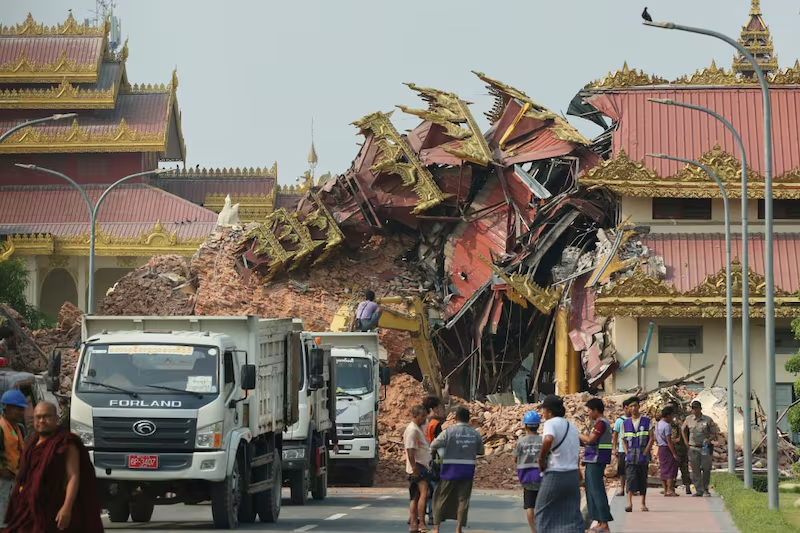
The military-led government has acknowledged the scale of the devastation and has mobilized resources for rescue and relief efforts. However, the response has been hindered by the destruction of critical infrastructure, including power lines, communication networks, and transportation systems. Electricity, phone, and internet services remain down in many parts of Naypyitaw, making coordination efforts challenging.
International aid organizations have expressed concern over the situation and have pledged support to Myanmar. Neighboring countries and humanitarian agencies are working to provide emergency supplies, medical assistance, and temporary shelters for those affected by the quake. However, logistical hurdles continue to slow down relief operations.
The lack of a functioning airport in Naypyitaw means that aid must be transported from Yangon, further delaying the delivery of essential supplies to the hardest-hit regions.
Rebuilding and Future Challenges
The collapse of the Naypyitaw air traffic control tower and the broader devastation caused by the earthquake highlight the urgent need for rebuilding efforts in Myanmar.
Restoring critical infrastructure will be a top priority for the government and international aid agencies in the coming months. Reconstructing the airport’s air traffic control tower will be essential for resuming normal flight operations and ensuring safe air travel in the region.
In addition to rebuilding the airport, authorities will need to focus on repairing damaged roads, bridges, and public buildings. The widespread destruction has left many residents without homes, and the need for temporary housing solutions is pressing. Efforts to restore power and communication networks will also be crucial for coordinating ongoing relief and recovery efforts.
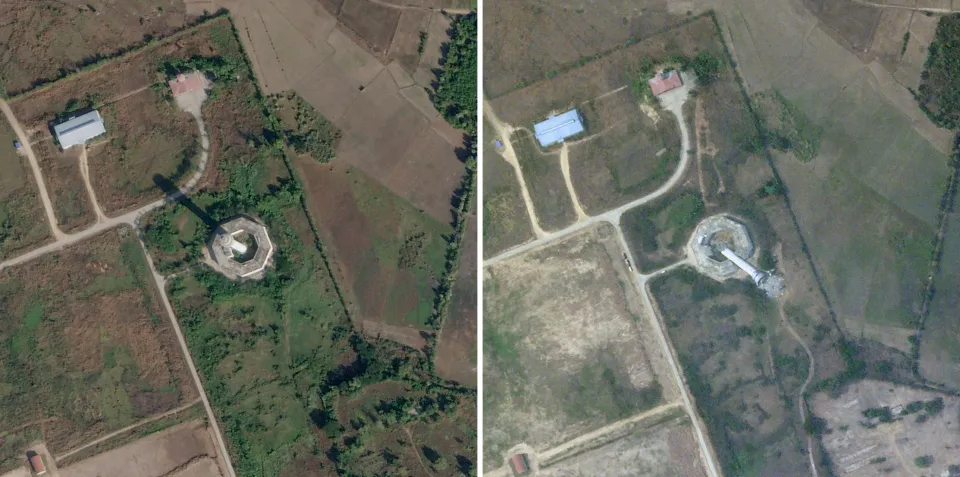
Beyond the immediate recovery phase, Myanmar will need to invest in long-term disaster preparedness. The earthquake has exposed vulnerabilities in the country’s infrastructure and emergency response systems. Strengthening building codes, improving disaster response mechanisms, and enhancing early warning systems will be critical steps in reducing the impact of future natural disasters.
Furthermore, the ongoing civil conflict in Myanmar presents additional challenges to recovery efforts. The country has been in turmoil since the military coup in 2021, and the political situation remains unstable.
The combination of political unrest and natural disaster has created a complex crisis that will require coordinated efforts from both domestic and international stakeholders.
Despite these challenges, the resilience of the Myanmar people remains evident. Communities have come together to support one another, and volunteers are actively participating in rescue and relief operations. International organizations and neighboring countries are also stepping in to provide assistance, demonstrating solidarity in the face of adversity.
As Myanmar begins the long process of recovery, the focus will be on rebuilding not just infrastructure, but also the lives of those affected by the disaster. The earthquake serves as a stark reminder of the unpredictable forces of nature and the importance of preparedness in minimizing the impact of such calamities.
While the road to recovery will be difficult, the collective efforts of the government, humanitarian organizations, and the international community will play a crucial role in helping Myanmar rebuild and emerge stronger from this tragedy.