
The recent experiences of Zaya Perysian, a transgender influencer based in the United States, shed light on the struggles faced by transgender individuals navigating institutional policies.
Zaya’s claims about her passport being altered to misrepresent her gender have sparked discussions about human rights, identity, and the implications of administrative actions under changing government policies.
The Passport Predicament: Zaya Perysian’s Story
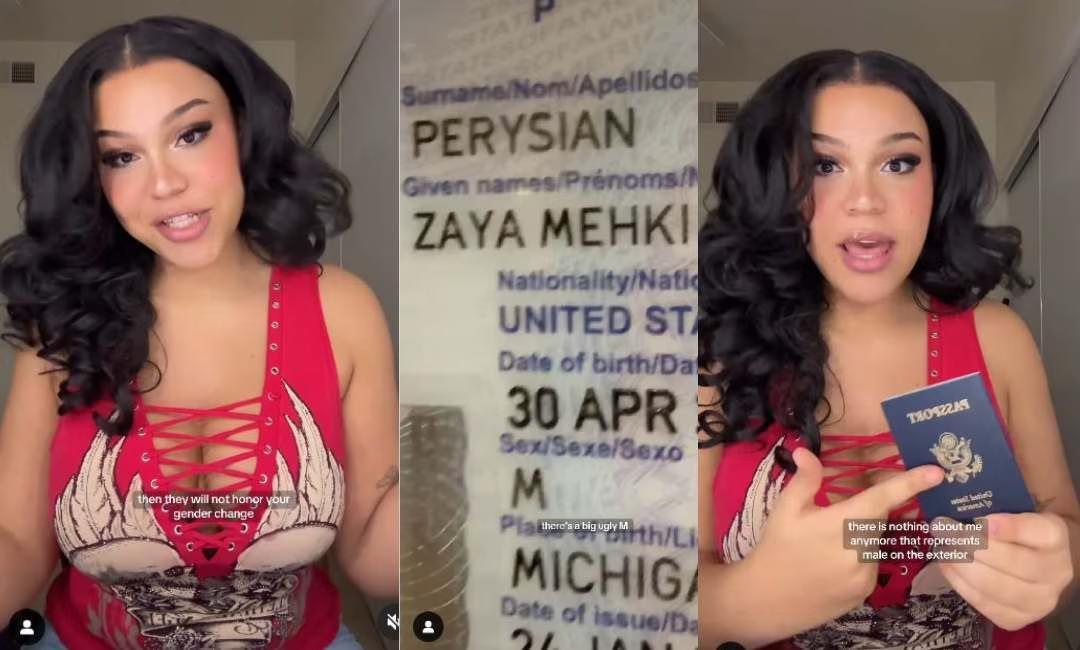
Zaya Perysian, who identifies as female and has undergone sex reassignment surgery, found herself in a challenging situation when her passport was updated to reflect her sex as male.
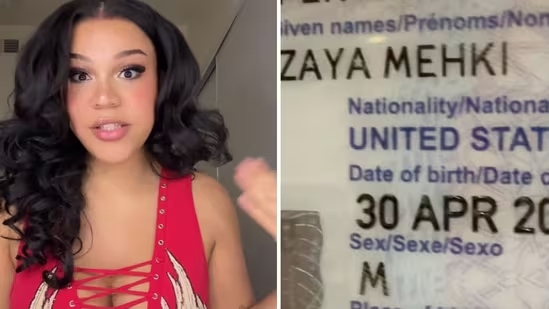
This update came despite all her other documents, such as state-issued identification and other legal records, correctly identifying her as female. Sharing her frustration on social media, Zaya Perysian showcased her updated passport, where the gender marker now read “male” alongside her photo.
The update to her passport appears to stem from new federal policies introduced under the administration of Donald Trump. Specifically, an executive order titled “Defending Women from Gender Ideology Extremism and Restoring Biological Truth to the Federal Government” has played a pivotal role in defining sex strictly based on biological classification.
Read : 68-Year-Old Woman Murdered by a Transgender House Guest in Las Vegas
This order explicitly states that the concept of “gender identity” cannot be recognized as a replacement for biological sex. For Zaya, this alteration to her passport feels not only unjust but also dangerous.
Read : Man Surgically Adds Four Extra Nipples To His Body, Find Out The Fascinating Story Behind it
“There is nothing about me anymore that represents male,” she emphasized. Zaya Perysian further added that the decision to revert her gender marker places her at risk, particularly while traveling internationally. “I am in danger now,” she said, expressing concern about the possible discrimination or harm she could face because of the inconsistency between her appearance and the sex listed on her passport.
The Broader Policy Context
The changes affecting Zaya’s passport must be understood in the broader context of recent federal policies. Under the executive order signed on January 20, it was mandated that federal documents use “sex” to denote immutable biological traits, eliminating recognition of gender identity.
This policy essentially invalidates the lived experiences and legal transitions of transgender individuals, rolling back previous advancements that allowed for more inclusive identification markers.
Zaya’s predicament illustrates the real-life consequences of this shift in federal policy. According to Zaya, her gender marker had been appropriately updated in her past legal records, but the policy now prioritizes her childhood passport, which listed her as male. The government justification for this change, as stated in an official letter, was to “match our record.”
The transgender community has viewed such actions as part of a broader agenda aimed at erasing their visibility. Zaya, echoing this sentiment, believes the policy changes are designed to intimidate transgender individuals and push them out of public life. “They want us to hide in fear and be scared of them,” she declared.
Fighting for Equal Rights
For Zaya Perysian, the forced change to her passport is not just an administrative issue—it is a violation of her rights as an American citizen. She referred to the Equal Rights Amendment to highlight the discriminatory nature of the policy. The denial of her rightful gender identity, she argues, infringes upon her fundamental freedoms and dignity.
The trans creator has vowed to challenge the decision legally. “Now obviously, I will be seeking legal action,” she asserted, determined to fight for her identity and the rights of other transgender individuals.
Her decision to take a stand resonates with a larger struggle faced by the LGBTQ+ community in the United States, as they continue to face institutional resistance and cultural stigma.
Zaya Perysian also expressed her frustration with the lack of consistency in available processes for transgender individuals. She pointed out that the application for updating gender markers remains available on official government websites, yet her request for correction was denied.
Such contradictions only add to the confusion and marginalization experienced by transgender people trying to navigate systems that should ideally protect their rights.
In the face of these challenges, Zaya has chosen to remain defiant. “Trans people have been here and are staying here,” she affirmed. Her decision to speak out and refuse to retreat into fear serves as a powerful statement of resilience and advocacy for the transgender community.
A Spotlight on Transgender Rights in the U.S.
Zaya Perysian’s experience underscores the broader issues of transgender rights and recognition in the United States. Policies that enforce rigid binary definitions of sex ignore the complexities of gender identity and the lived realities of transgender individuals. For people like Zaya, these policies have real, tangible consequences that impact their safety, freedom of movement, and sense of self.

As the legal and political landscape continues to evolve, the transgender community remains at the forefront of advocating for equal rights. Zaya Perysian’s story is just one example of the systemic barriers faced by transgender individuals, but it also serves as a rallying cry for action. Advocacy groups and legal organizations have already begun to challenge policies that they believe undermine human rights and equality.
While the struggle for recognition and inclusion persists, individuals like Zaya Perysian remind us of the courage and resilience required to confront discrimination. Her determination to fight back against what she sees as a direct violation of her rights serves as a beacon of hope for others facing similar challenges.
In a world where identity is deeply personal and unique, the fight for transgender rights is a fight for the acknowledgment of humanity in all its diversity. As Zaya continues her battle for justice, her story highlights the urgent need for policies that respect and protect the identities of all individuals, regardless of gender.
Through her activism and refusal to back down, Zaya is paving the way for a future where transgender people can live with dignity and equality. Her story is a testament to the strength of the human spirit and the ongoing struggle for justice in the face of adversity.