
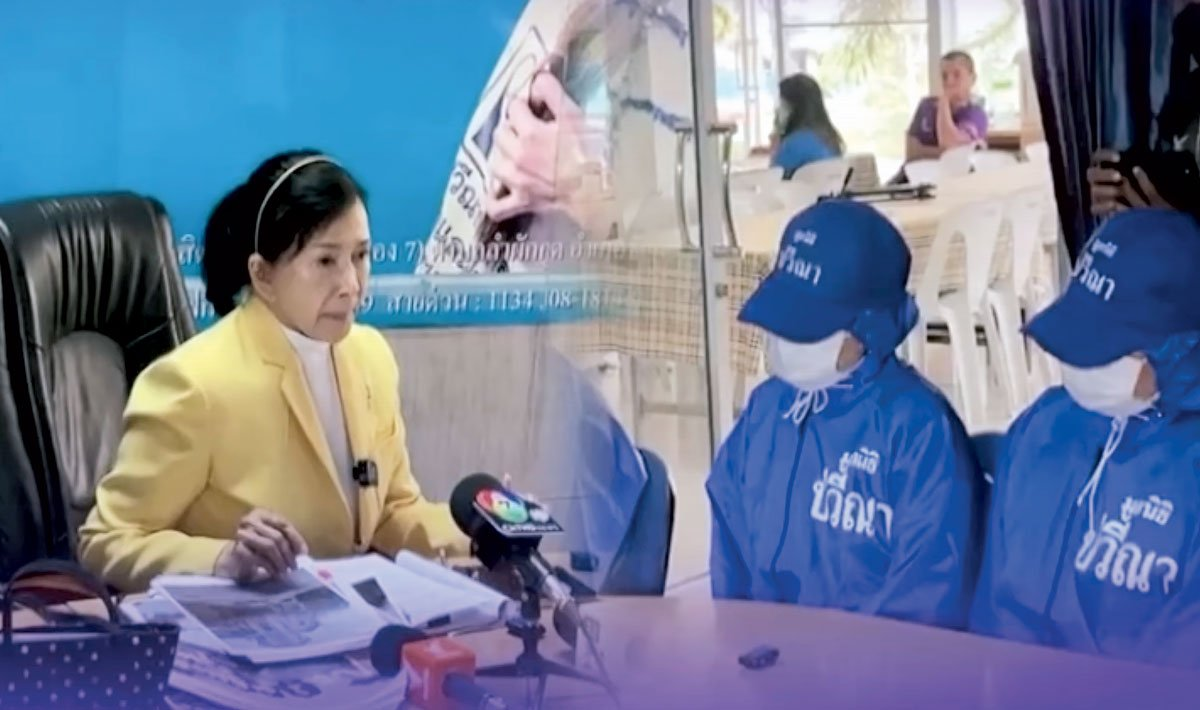
The dark underbelly of human trafficking has once again come to light with the shocking case of three Thai women who were subjected to inhumane treatment in a human egg farm in Georgia.
Lured under the false pretense of becoming surrogates for childless couples, these women found themselves trapped in a nightmare orchestrated by Chinese gangs. Their harrowing ordeal sheds light on a sinister global trade that exploits vulnerable women for financial gain, treating them as mere commodities.
The Deceptive Trap: How the Women Were Lured
The three Thai Women, whose identities remain protected for safety reasons, were ensnared through an online job advertisement that promised a lucrative opportunity. A Facebook post had offered them an income ranging between 400,000 to 600,000 baht, a sum that seemed life-changing for many struggling individuals.
The promise was simple: they were to become surrogates for childless couples in Georgia, a country that has become a hotspot for surrogacy due to its relatively lenient regulations.
Upon contacting the recruiters, the women were reassured that all their travel expenses, including passport applications, flights, and accommodation, would be covered by the prospective employer. With financial burdens lifted and the promise of a stable income, Thai Women saw no reason to be suspicious.
Read : Chinese Gangsters Enslave 100 Women in Georgia for Human Egg Harvesting
However, the reality upon their arrival in Georgia was starkly different from what had been promised. Instead of being introduced to couples seeking surrogates, they were taken to a secluded facility where they met 60 to 70 other Thai women who had suffered the same fate. It quickly became evident that this was not a legitimate surrogacy arrangement but an illicit egg-harvesting operation.
Horrific Conditions: ‘Fed Hormones, Treated Like Cattle’
Once inside the facility, Thai Women were subjected to a highly controlled and dehumanizing environment. According to their testimony, they were pumped with hormones to stimulate their ovaries, an essential process for increasing egg production.
These hormonal injections were administered without proper medical supervision or informed consent. Thai Women were not treated as patients but rather as livestock, their health and well-being secondary to the demand for their reproductive cells.
Read : Thailand Becomes Third Asian Country to Legalize Same-Sex Marriage After Taiwan and Nepal
One of the victims recounted how they were forced to undergo anesthesia once a month while their eggs were extracted using a machine. They were neither consulted nor given a choice in the matter. Their bodies were essentially turned into biological factories, subjected to constant medical procedures with little regard for their physical or mental health.
Thai Women described the facility as being akin to a “battery farm,” where human lives were reduced to mere biological functions. They were housed in cramped quarters, denied proper nutrition, and left without any means of communication with the outside world. Any resistance or attempt to question their conditions was met with threats and intimidation.
Many of them had realized the deception too late. When they tried to escape, they found themselves trapped with no money, no identification documents, and no way to seek help in a foreign land. The psychological toll of being imprisoned in such conditions was severe, as they lived under constant fear and uncertainty.
The Escape and Rescue: Breaking Free from Captivity
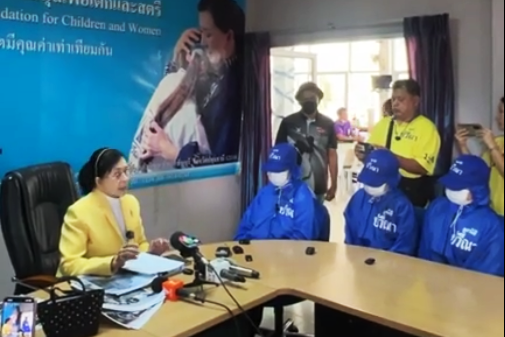
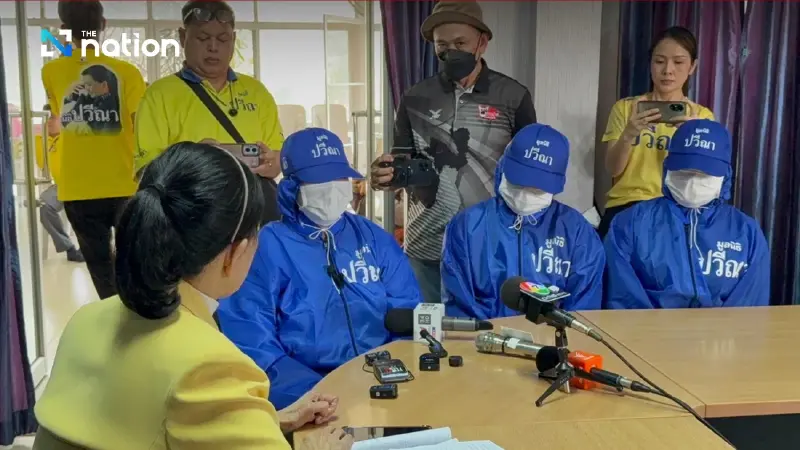
The turning point in their ordeal came when one of the captives managed to contact someone back in Thailand. Through desperate and covert attempts to send messages, the case reached the Pavena Foundation for Children and Women, an organization dedicated to fighting human trafficking. The foundation’s founder, Pavena Hongsakula, took immediate action.
With the help of Thailand’s Foreign Affairs Police and coordination with Interpol, a rescue mission was launched. On January 30, the three women were freed from their captors.
However, this victory was bittersweet, as they revealed that there were still many more women trapped in similar conditions. The rescue of these three individuals was just the tip of the iceberg.
The Bangkok Post reported that Hongsakula had learned of the situation through another victim who had to pay her captors a hefty sum to buy her own freedom.
Her case had led to the discovery that an estimated 257 Thais had fallen victim to human traffickers in 2024 alone, with 204 of them being held in foreign countries. The Pavena Foundation has since helped rescue 152 victims, but the fight is far from over.
A livestream conducted by the foundation on Facebook revealed further disturbing details about the operation. In the nearly hour-long session, the three women, whose identities were concealed with masks and caps, shared their experiences.
Their testimonies painted a horrifying picture of a criminal network that preys on vulnerable women, stripping them of their rights and autonomy.
The Dark World of Illegal Egg Harvesting
The case has drawn global attention to the underground industry of illegal egg harvesting. According to Diana Thomas, CEO and Founder of The World Egg and Sperm Bank, the market is flooded with eggs obtained through illicit means.
She revealed that many of these eggs come from exploited women in Third World countries, and customers seeking eggs for in-vitro fertilization (IVF) are often deceived into believing they are ethically sourced.
Thomas stated that traffickers deliberately falsify donor profiles to make them appear as educated, middle-class women. This manipulation ensures that Western clients, who may have ethical concerns, do not feel guilty about purchasing eggs from exploited women. The deception is systemic, designed to maximize profits while keeping the harsh realities hidden from the public eye.

The illegal trade in human eggs is particularly lucrative, as the demand for IVF treatments continues to rise globally. Couples struggling with infertility are willing to pay exorbitant amounts for donor eggs, unaware that the source of these cells may be a trafficked woman forced into a brutal cycle of extraction.
The Fight Against Human Trafficking
The tragic case of the three Thai women is a stark reminder of the ongoing battle against human trafficking and reproductive exploitation. While their escape is a victory, hundreds of other women remain trapped in similar conditions, with little hope of rescue.
The Thai government, along with international organizations, must intensify efforts to crack down on these criminal networks. Strengthening anti-trafficking laws, increasing awareness campaigns, and providing better economic opportunities for vulnerable women can help prevent future cases.
Furthermore, the international community must hold the IVF industry accountable. Stricter regulations and transparency measures are needed to ensure that eggs used in fertility treatments are ethically sourced. Consumers must also be more vigilant, questioning the origins of reproductive materials and demanding ethical standards from fertility clinics.
For now, the three women who have been freed can begin the long process of healing. But their story serves as a warning to others: behind the promise of financial security and a better life, there may lie a trap designed to exploit and destroy. The fight against human trafficking is far from over, and only through collective efforts can justice be achieved for all the victims.
Their voices must not be silenced. Their suffering must not be forgotten. And their fight for freedom must inspire change.