
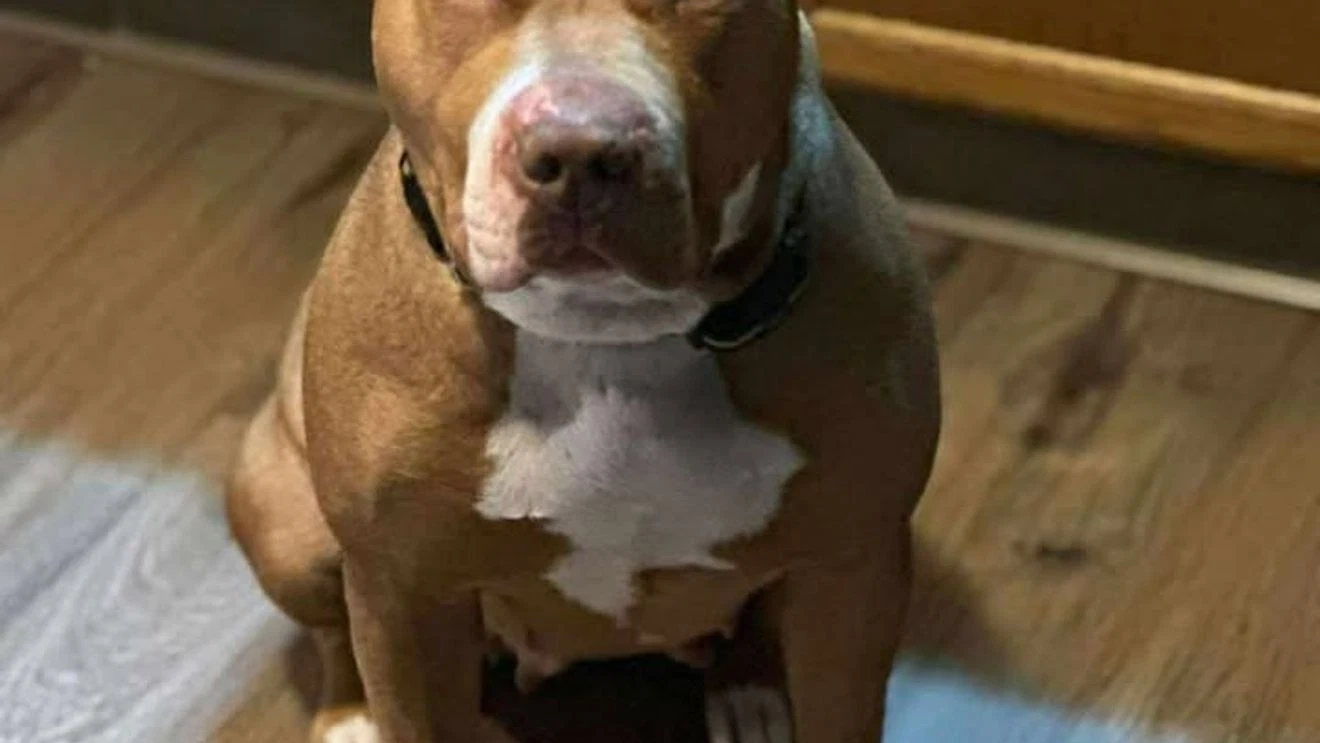
The charging of a Perry County couple has brought renewed attention to the legal and ethical responsibilities associated with rehoming animals, particularly in cases involving vulnerable pets transferred through informal social media arrangements. Pennsylvania State Police allege that Trevor Krywokulski, 31, and Erika Krywokulski, 32, of Newport, were involved in the killing and burial of a pit bull dog that had been entrusted to their care earlier in 2024.
The case, now moving through the criminal justice system, centers on conflicting accounts of the animal’s death, allegations of deliberate cruelty, and the discovery of animal remains on the couple’s property. Prosecutors say the circumstances surrounding the dog’s death go beyond negligence, rising to the level of aggravated cruelty and criminal conspiracy under state law.
The case has also drawn public interest due to its origins in online rehoming, the involvement of multiple witnesses, and the disturbing details contained in the affidavit of probable cause. Court documents outline a series of events that began months before the alleged killing and culminated in a police investigation launched after reports surfaced on social media. As the legal process unfolds, the charges against the couple highlight how animal cruelty statutes are applied and how inconsistencies in suspect statements can shape criminal proceedings.
Background of the Rehoming and Initial Concerns
According to court records, the incident involves two pit bull dogs originally owned by Paige Lane, who made the decision to rehome them due to a domestic violence situation. Lane reportedly sought a safer environment for the dogs and spent several months interviewing potential adopters. Ultimately, she connected with Trevor and Erika Krywokulski through Facebook and agreed to give them the dogs in January 2024. The transfer was informal, reflecting a common practice in private rehoming arrangements where animals are placed without the involvement of shelters or rescue organizations.
Paige Lane told police that she had asked the couple to provide updates on the dogs and to notify her if they were ever unable to keep them. However, she later discovered she had been blocked on Facebook by Erika Krywokulski, cutting off communication. This loss of contact became significant months later when allegations about the dog’s fate began circulating online. In November, Lane reportedly received a call from a relative of the couple who claimed that one of the dogs, Ruby, which had been renamed Cookie, was found dead in the couple’s basement. The dog was allegedly hanging by its legs and appeared to have been beaten.
These allegations prompted concern among animal welfare advocates and individuals familiar with the situation. Police documents indicate that investigators were alerted after receiving animal cruelty reports, including from a man who said he had seen multiple Facebook posts suggesting Trevor Krywokulski had hung a dog and buried it at his home. The online nature of the initial reports underscores how social media can both facilitate rehoming and later serve as a source of information that triggers law enforcement scrutiny.
Read : Ireland: The Only Nation in the World with a Musical Instrument as Its National Symbol
The affidavit of probable cause further notes that a person associated with a trap, neuter, and release program spoke with Trevor about the incident. According to that account, Trevor said Erika had hung the dog in the basement and that he later buried the animal in a barn behind their home. This early statement would later conflict with versions given by both Trevor and Erika during formal police interviews, setting the stage for the charges that followed.
Conflicting Accounts and Police Investigation
When Pennsylvania State Police interviewed Trevor and Erika Krywokulski, investigators were presented with sharply different narratives regarding how Cookie died. Both acknowledged that the dogs had behavioral issues and fought with each other, which they claimed became increasingly problematic. The couple told police they had attempted to contact Paige Lane multiple times to return the dogs, but those efforts allegedly yielded no response.
Paige Lane, however, told authorities she had been blocked on social media, raising questions about the accuracy of the couple’s claims. Trevor Krywokulski initially told police that he was at work when Erika contacted him and said she had strangled the dog to death using its leash after the animal attacked her. He claimed that she then took the dog to their barn, where he later buried it. According to the affidavit, Trevor told investigators he did not want to shoot the dog and could not afford to have it euthanized by a veterinarian.
Read : Dog Daycare Owner Jason Hershman Arrested After Allegedly Punching Puppy in Face
He also stated that he did not have a veterinarian for the dog and had never owned a pit bull before. One statement attributed to him in court documents reads, “My wife already took care of it I just dug the hole.” Erika Krywokulski, however, gave a different account. She told police that it was her husband who actually killed the dog. According to her version, Trevor was not at work at the time and intervened when Cookie acted aggressively toward her.

She alleged that Trevor strangled the dog with its leash and then buried it in the barn. Erika reportedly said that when the dog stopped breathing, they panicked and decided to bury it. When confronted with the fact that Trevor blamed her for the killing, Erika said she did not understand why he would make such a claim, suggesting it may be related to his criminal record, while she has none.
The contradictory statements became a central element of the investigation, leading police to seek a search warrant for the couple’s property. During the search, investigators discovered skeletal remains believed to belong to the dog buried in the barn. In addition, police reported finding two dead cats inside the same barn, a discovery that further raised concerns about the treatment of animals on the property. While the court documents focus primarily on the dog’s death, the presence of additional animal remains contributed to the severity of the charges.
Based on the evidence collected and the statements provided, both Trevor and Erika Krywokulski were charged with one felony count each of aggravated cruelty to animals and criminal conspiracy, along with two summary counts each of cruelty to animals. Police said the incident occurred on Nov. 11 or 12. The couple was taken into custody and transported to Perry County Prison, where they were unable to post $50,000 bail. A preliminary hearing has been scheduled for Dec. 30, at which time a judge will determine whether there is sufficient evidence for the case to proceed to trial.
Legal Implications and Broader Significance
Under Pennsylvania law, aggravated cruelty to animals is a felony offense that applies in cases involving intentional or knowing acts that cause serious bodily injury or death to an animal. Criminal conspiracy charges indicate that prosecutors believe the defendants acted together or agreed to participate in the alleged conduct. If convicted, the charges could carry significant penalties, including potential prison sentences, fines, and long-term restrictions on animal ownership.

The case highlights how courts assess animal cruelty allegations when defendants provide inconsistent accounts. Conflicting statements can undermine credibility and strengthen the prosecution’s argument that the acts were deliberate rather than accidental or defensive. In this case, investigators documented multiple versions of events, none of which involved seeking veterinary care or contacting animal control before the dog’s death. Prosecutors are likely to focus on the decision to strangle the dog, rather than pursue lawful alternatives, as evidence of aggravated cruelty.
The involvement of social media and private rehoming arrangements also raises broader questions about animal welfare oversight. Without the screening, contracts, and follow-up often required by shelters or rescue groups, private rehoming relies heavily on trust and ongoing communication. The breakdown of that communication, as alleged by Paige Lane, left her unaware of the dogs’ condition until months later. While rehoming through online platforms is legal, cases like this illustrate the risks involved when animals are transferred without safeguards or accountability mechanisms.
From a legal standpoint, the discovery of additional animal remains on the property could influence how the case is viewed, even if those findings are addressed separately. Courts may consider patterns of behavior when evaluating intent and sentencing. The preliminary hearing will provide the first formal opportunity for prosecutors to present their evidence and for the defense to challenge the sufficiency of the charges.
As the case moves forward, it serves as a reminder that animal cruelty laws are enforced with increasing seriousness and that acts once dismissed as private matters are now subject to rigorous legal scrutiny. The outcome of the proceedings against Trevor and Erika Krywokulski will ultimately be determined by the courts, but the allegations alone have already sparked public concern and underscored the legal responsibilities that come with taking an animal into one’s care.