
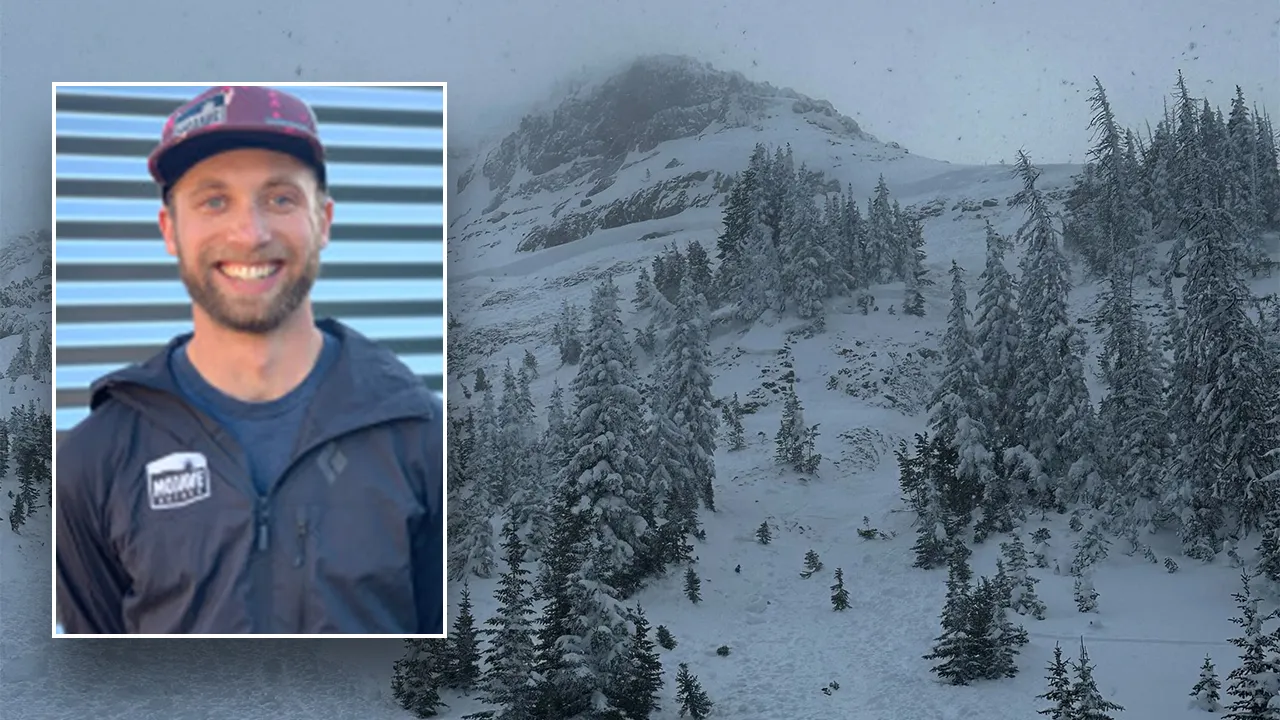
A tragic Avalanche in Wyoming National Park has claimed the life of a skier and left another injured, highlighting the dangers of backcountry skiing and the unpredictable nature of avalanches.
On January 4, 2025, a group of four skiers ventured into the backcountry near the park, triggering a devastating avalanche that buried one skier and severely injured another. The incident, which occurred at a high elevation, serves as a stark reminder of the risks that come with skiing in avalanche-prone areas, even for experienced outdoor enthusiasts.
What Happened in the Wyoming Backcountry
The accident took place in the remote, snow-covered backcountry of western Wyoming, approximately 20 miles east of Grand Teton National Park. On the day of the avalanche, a group of four skiers were ascending a steep slope at an elevation of about 10,400 feet.
Despite the challenging terrain and hazardous snow conditions, the group continued their ascent, unaware that the snowpack was unstable and prone to triggering a large avalanche.
As they reached the upper portion of the slope, one of the skiers, identified as 36-year-old Kenneth Goff from Lander, Wyoming, inadvertently triggered the avalanche.
A massive slab of snow, approximately 5 feet thick, broke loose from the mountain and began descending rapidly down the slope. The force of the avalanche was overwhelming, and the group was caught off guard by the speed and power of the event.
One skier was fully buried by the avalanche, while another skier was partially buried but able to survive with leg injuries. Despite the harrowing circumstances, the remaining skiers in the group managed to dig themselves out of the snow, initiating a desperate attempt to rescue their companions.
Read : Top 10 Hill Stations to Visit in Switzerland
Unfortunately, despite their best efforts and the rapid response of search and rescue teams, Goff’s injuries proved fatal. The avalanche victim was later identified as Goff, an experienced nurse and wilderness instructor with the National Outdoor Leadership School (NOLS).
Read : 12-Year-Old Boy Dies After Crashing Into Tree While Skiing At Cranmore Mountain Resort
The other skier who was partially buried sustained significant injuries but survived the incident. Authorities have not released the name of the injured skier, but reports indicate they were able to make it to safety with assistance from the group.
Rescue Efforts and Challenges
The response to the avalanche was swift, with search and rescue teams deploying immediately to the scene of the incident. However, the challenging weather conditions, including heavy snow and strong winds, significantly delayed the rescue operations. The avalanche occurred in a remote, high-elevation location that required responders to navigate treacherous terrain while battling harsh conditions.
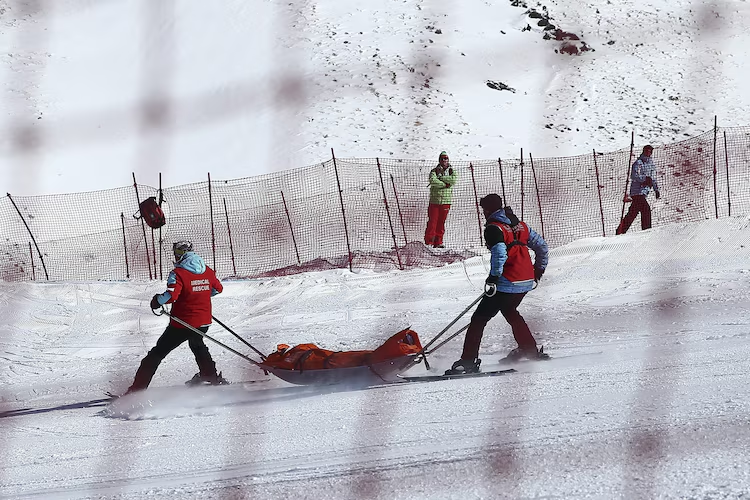
Despite the difficult circumstances, rescuers were able to locate the buried skier and recover them from the snow. Unfortunately, Kenneth Goff was found unresponsive and later pronounced dead at the scene. The second skier, who had suffered leg injuries, was evacuated to a nearby medical facility for treatment.
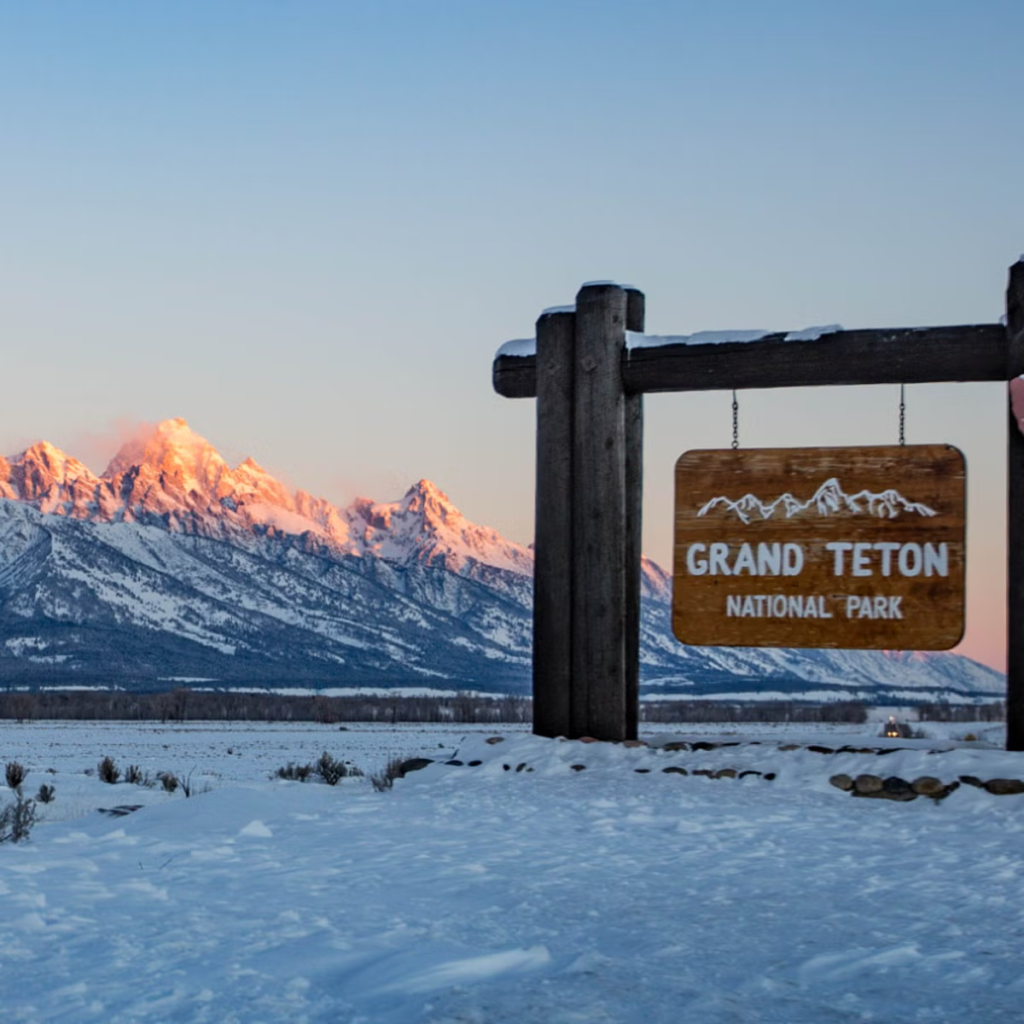
The search and rescue operation involved a coordinated effort between local agencies, including the Teton County Search and Rescue, and the Grand Teton National Park ranger team. The rescuers faced several obstacles, including limited visibility and the ongoing avalanche risk, which made it difficult to safely conduct the recovery operation.
The event underscores the dangers faced by backcountry skiers and mountaineers, even when they are prepared and experienced. Despite the group’s knowledge of avalanche safety and their use of avalanche beacons, the snow conditions were simply too unstable to avoid the tragic outcome.
The Risks of Backcountry Skiing: A Growing Concern
Backcountry skiing offers adventure and excitement, but it also comes with significant risks. Avalanche fatalities, such as the one in Grand Teton National Park, are a reminder of the dangers posed by unstable snow conditions, particularly during the winter months. Experts warn that avalanche-prone areas can be unpredictable, and even the most experienced skiers are at risk.
Avalanches are triggered by various factors, including the weight of the snow, temperature fluctuations, and the terrain itself. In this case, the snowpack in the area was found to be unstable, with weak layers beneath the surface that could easily collapse under the pressure of skiers.
The accident highlights the importance of assessing snow conditions before venturing into the backcountry and the need for proper avalanche training.
In response to the rising number of avalanche-related fatalities, avalanche safety experts have called for increased awareness and education among outdoor enthusiasts.
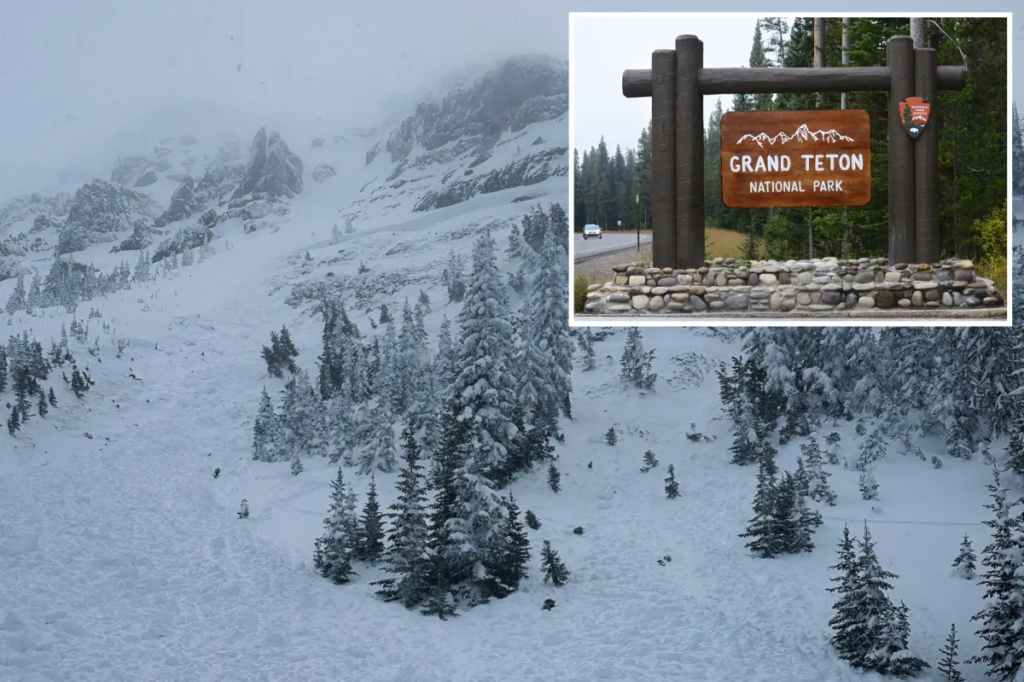
Skiers and snowboarders are urged to take avalanche safety courses, carry essential equipment such as beacons, probes, and shovels, and check avalanche forecasts before heading into the mountains. These precautions can significantly reduce the risk of fatal accidents, but they cannot guarantee safety in unpredictable conditions.
In recent years, the number of avalanche fatalities in the United States has increased, particularly in the western states, where snow conditions are often volatile.
Wyoming, home to some of the most renowned ski resorts and backcountry terrain, has seen a rise in avalanche-related accidents as more people venture into the backcountry seeking fresh powder and thrilling experiences. In the winter of 2024-2025, this tragedy marks the fifth avalanche fatality in the United States.
The Wyoming avalanche tragedy also brings attention to the growing trend of backcountry skiing, which has surged in popularity during the pandemic.
As more people seek outdoor activities in remote areas, experts caution that the risks associated with such ventures should not be underestimated. While backcountry skiing provides an unmatched sense of freedom and adventure, it requires specialized knowledge, skills, and equipment to stay safe in the wilderness.
A Loss to the Community: Remembering Kenneth Goff
Kenneth Goff’s death has left a profound impact on his family, friends, and the outdoor community. As an experienced nurse and wilderness instructor, Goff was deeply committed to safety and education in outdoor activities.
He had worked with the National Outdoor Leadership School (NOLS), an organization renowned for training people in outdoor skills and leadership, including avalanche safety. Goff’s background in wilderness medicine and his dedication to teaching others about the risks of outdoor adventure made him an important figure in the community.
Those who knew Goff remember him as a passionate outdoor enthusiast, an empathetic teacher, and a compassionate individual who dedicated his life to helping others. His tragic death has not only shaken his colleagues and students but also serves as a reminder of the importance of safety and preparation in outdoor pursuits.
As the community mourns his passing, it is clear that his legacy will live on through his work with NOLS and his contributions to outdoor education. His commitment to safety, knowledge, and leadership will continue to inspire those who knew him and those who take part in outdoor adventures in the future.
A Call for Vigilance and Preparedness
The death of Kenneth Goff and the injuries sustained by his fellow skier in the Wyoming avalanche is a sobering reminder of the risks associated with backcountry skiing.
While the allure of fresh, untouched snow is undeniable, it is essential that skiers take the necessary precautions to stay safe in avalanche-prone areas. This tragedy highlights the unpredictable nature of avalanches and the need for ongoing education, preparation, and vigilance in the mountains.
As the winter season continues, it is crucial for all outdoor enthusiasts to remember the lessons of this incident and prioritize safety when venturing into backcountry terrain.
Skiers should not only equip themselves with the proper tools and training but also be mindful of the ever-changing conditions that can make even the most experienced adventurers vulnerable to nature’s unpredictable forces.
In memory of Kenneth Goff, let this tragedy serve as a catalyst for greater awareness and responsible decision-making in the wilderness.
His legacy, both as a skilled professional and as someone deeply passionate about outdoor education, will undoubtedly continue to inspire others to respect the dangers of the mountains while pushing forward in their pursuit of adventure.