
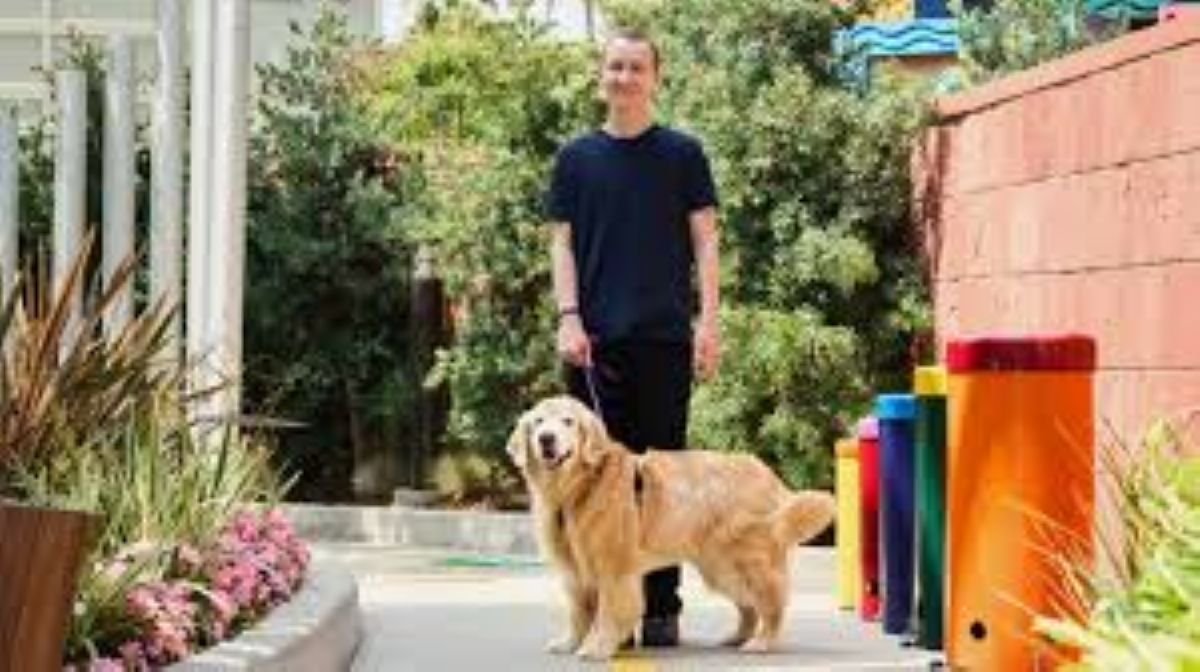
Navigating a life-altering diagnosis often reshapes a family’s understanding of resilience, vulnerability, and hope. For 14-year-old Truman and his family, the sudden reality of cancer arrived without warning, transforming an ordinary day into the beginning of a long and uncertain journey. Yet within the sterile walls of Children’s Hospital Los Angeles, an unexpected source of comfort emerged in the form of Hogan, a golden retriever therapy dog whose quiet companionship offered calm in the midst of chaos. What began as a chance meeting soon grew into a bond that helped both boy and dog confront their diagnoses with courage, patience, and an uncommon sense of solidarity.
An Unexpected Diagnosis and a Moment of Stillness
February 28, 2025, began like any other day for Truman, aside from a routine blood test meant to investigate weeks of persistent fatigue and paleness. By evening, however, the results triggered urgent concern. Truman’s pediatrician called his parents with alarming news about his white blood cell levels and instructed them to go immediately to a pediatric oncology unit. That night marked the first time the family heard the word leukemia, a moment that instantly redefined their lives.
Truman was transferred to Children’s Hospital Los Angeles later that evening, where he was admitted close to midnight. Doctors explained that he would begin inpatient chemotherapy for acute myeloid leukemia, a serious and aggressive form of blood cancer. The family had little time to process the diagnosis, let alone prepare for an extended hospital stay. Overnight bags were hastily packed, and arrangements were made for Truman’s twin sister to stay with friends as the family braced for the days ahead.
In the whirlwind of medical explanations, consent forms, and emotional shock, Truman settled into his hospital room. By the next afternoon, volunteers from the Amerman Family Foundation Dog Therapy Program began making their rounds. Among them was Hogan, a 10-year-old golden retriever accompanied by his owner, Tina. When Hogan entered Truman’s room, something quietly profound occurred. The dog jumped onto Truman’s hospital bed, curled up beside him, and fell asleep almost immediately.
Read : What do you think Tomato is Fruit or Vegetable?
The room, once filled with tension and uncertainty, seemed to pause. Truman gently stroked Hogan’s head as the dog slept peacefully next to him. According to Truman’s mother, Claudia, it was as though both of them softened at the same time. Despite having dogs at home, she sensed that this connection was different, deeper, and almost instinctive. For Truman, the moment marked the first sense of relief since his diagnosis, a brief but powerful return to calm.
Shared Battles and Strength Through Understanding
As the days unfolded, the bond between Truman and Hogan grew stronger, anchored by an extraordinary shared experience. Both had recently been diagnosed with cancer and were undergoing treatment. Hogan, too, was facing chemotherapy, a fact that made his presence even more meaningful to Truman. In a hospital environment where Truman often felt stripped of control, Hogan offered companionship without expectations, explanations, or fear.
Truman soon learned more about his own diagnosis through detailed conversations with his care team. Acute myeloid leukemia affects the bone marrow, causing it to produce an excess of immature white blood cells that crowd out healthy blood cells. This imbalance increases the risk of infection, bleeding, and severe fatigue. At CHLA, one of the largest pediatric centers on the West Coast, Truman’s doctors conducted extensive genetic and molecular testing to determine the exact subtype of his leukemia.
Read : Dog Influencer Raffie Dies of Heart Attack on Christmas Eve While Owner Was Out of Town
The results revealed that Truman had inv(16) AML, a subtype identified in the 1990s that generally responds well to chemotherapy without requiring a bone marrow transplant. Although the treatment plan still involved multiple intensive rounds of chemotherapy and long hospital stays, the prognosis offered cautious reassurance. Truman’s parents, Barney and Claudia, found comfort in the confidence and clarity with which the medical team explained each step of the process. Education became a coping mechanism, helping the family regain a sense of understanding amid uncertainty.
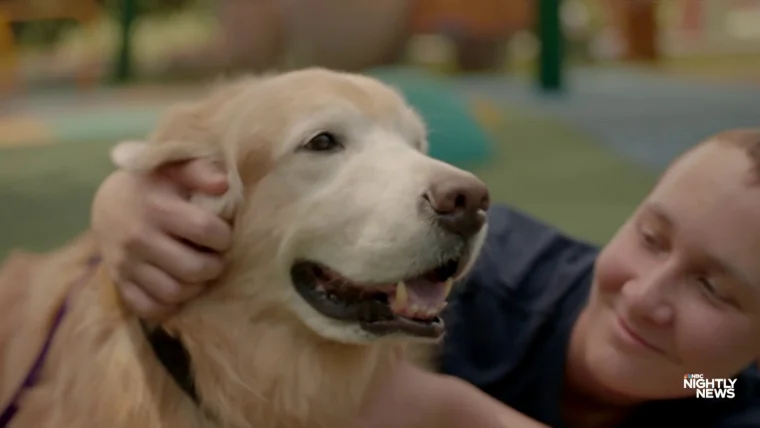
Throughout these challenging weeks, Hogan’s visits became a consistent highlight. Every Saturday, Truman eagerly awaited the familiar sight of the golden retriever entering his room. They spent hours together watching television, napping, or simply lying side by side. When boredom and isolation threatened Truman’s morale, Hogan provided something tangible to look forward to. The dog’s calm presence helped Truman stay grounded, offering comfort that words often could not.
Tina, Hogan’s owner, noticed how deeply Hogan seemed to connect with Truman. Despite his own health challenges, Hogan would brighten visibly during visits and resist leaving when their time was up. For Truman, knowing that Hogan was also navigating cancer made their bond feel reciprocal rather than one-sided. Even without spoken language, Truman felt understood, supported, and less alone.
Healing, Milestones, and the Power of Connection
Long hospitalizations and repeated rounds of chemotherapy defined much of Truman’s year, accompanied by weeks of isolation designed to protect his weakened immune system. Physicians at CHLA often emphasize that boredom and emotional fatigue are significant side effects of cancer treatment, particularly for adolescents whose lives are otherwise filled with school, sports, and social interaction. Support programs such as art therapy and dog therapy play a critical role in addressing these challenges, offering patients moments of normalcy and emotional relief.
Read : Australian Influencer Indy Clinton Charges Fans for Exclusive Second Nose Job Reveal
For Truman, Hogan remained the most meaningful of these supports. Their routine visits created continuity in an otherwise unpredictable schedule. Hogan’s presence helped transform Truman’s hospital room into a space that felt less clinical and more human. Over time, the relationship became a symbol of endurance, reminding Truman that healing is not only physical but emotional.
On June 18, after completing four rounds of chemotherapy, Truman received the long-awaited news that his treatment was finished. The end-of-treatment bell at CHLA marked a milestone celebrated by patients and families alike, signifying the conclusion of an intense chapter. Truman chose to wait until Hogan could be present before ringing the bell, a testament to how central the dog had become to his experience. Standing alongside his father and Hogan, Truman marked the moment with gratitude and relief.
Returning home brought its own adjustments. Simple pleasures, such as riding a bike or spending time with friends, carried new meaning after months in the hospital. Truman spoke openly about appreciating life without a chest port and enjoying the freedom of everyday activities once more. Hogan’s influence remained clear, as Truman credited the dog with making his hospital experience more bearable and giving him something to anticipate during the most difficult days.
Hogan’s journey reached a milestone of its own on August 21, when he completed his chemotherapy and rang his own end-of-treatment bell. The parallel triumphs underscored the remarkable nature of their bond. Both had endured treatment, uncertainty, and fear, emerging with a shared story of resilience.
As Truman continues his recovery and gradually returns to normal life, his family reflects on the lessons learned during their time at CHLA. Healing, they note, is rarely immediate or straightforward. It unfolds gradually, shaped by medical care, emotional support, and moments of connection that leave lasting impressions. For them, Hogan represents one of those moments, a reminder that strength can appear in unexpected forms.
The story of Truman and Hogan illustrates the profound impact of compassion and companionship during times of crisis. Their bond, forged in a hospital room during a moment of shared vulnerability, speaks to the power of presence and understanding. In facing cancer together, a teenager and a golden retriever demonstrated that courage is not only found in treatments and milestones, but also in quiet moments of trust, comfort, and connection that help make the journey bearable.
Downloaded the Hz88app and it’s surprisingly good. Runs smooth and the games are engaging. If you’re looking for a new app to try, hit up hz88app, you wont be disappointed!