

In a recent statement, Iran’s First Vice President Mohammad Reza Aref has voiced a call to the incoming Trump administration to take active steps in halting ongoing conflicts in Gaza and Lebanon.
Addressing a summit of the Arab League and the Organisation of Islamic Cooperation (OIC) in Riyadh, Aref highlighted concerns over what it perceives as “organised terrorism” and “lawlessness” stemming from Israeli military actions.
As tensions mount in the region following a series of targeted assassinations, leaders are emphasizing their expectations for the Trump administration to promote peace in the Middle East.
Iran’s Concerns Over Israeli Actions in Gaza and Lebanon
The conflicts in Gaza and Lebanon have become focal points of intense military activity and escalating tensions. In the weeks following Hamas’s attack on Israel on October 7, 2023, Israel has reportedly engaged in high-profile assassinations of figures associated with Hamas and Hezbollah.
Among those reportedly targeted was Yahya Sinwar, a senior Hamas leader, and Hassan Nasrallah, the long-time leader of Hezbollah. The death of Ismail Haniyeh, a former Hamas leader killed in an operation allegedly carried out in Tehran, has further fueled the regional crisis.
Country has described these targeted operations as “organised terrorism,” a term that conveys it’s view of these actions as outside the bounds of legitimate military engagement. From perspective, these operations, which it attributes to Israel, have destabilized regional security and led to the loss of life among civilian populations in Gaza and Lebanon.
Read : Woman Stripped to Protest Against Strict Dress Code in Iran Goes Missing After Arrest
Iran asserts that Israel’s military strategy is focused on eliminating leaders of Palestinian and Lebanese factions, tactics that country claims are intended to weaken local resistance movements.
Read : Taiwan is Ours, US Has No Right to Point Fingers at Us: China
Aref’s remarks echo Iran’s broader condemnation of these “targeted killings,” which Tehran sees as violations of both human rights and international law. According to country, these actions by Israel only serve to fuel further resentment and resistance among people in the affected regions, thereby worsening the situation.
Call for U.S. Intervention in the Middle East Crisis
Iran’s leadership has made its expectations for the Trump administration clear: Tehran is calling on the United States to assume a role in de-escalating the conflicts in Gaza and Lebanon.
During his campaign, Trump discussed bringing about peace in the Middle East, and Tehran is now urging him to make good on that promise by holding Israel accountable and promoting ceasefires in the disputed territories.
In making this appeal, it seeks to leverage the significant influence the United States holds over Israel. Tehran believes that with U.S. encouragement, Israel may be inclined to adopt a less aggressive stance in the region.
However, while Trump’s campaign rhetoric included remarks about his desire for peace, he has also expressed that outgoing President Joe Biden should allow Israel to “finish the job” in Gaza.
This perceived ambivalence has led leaders to question whether the incoming administration will genuinely seek peace or continue with policies that they feel support Israeli military action.
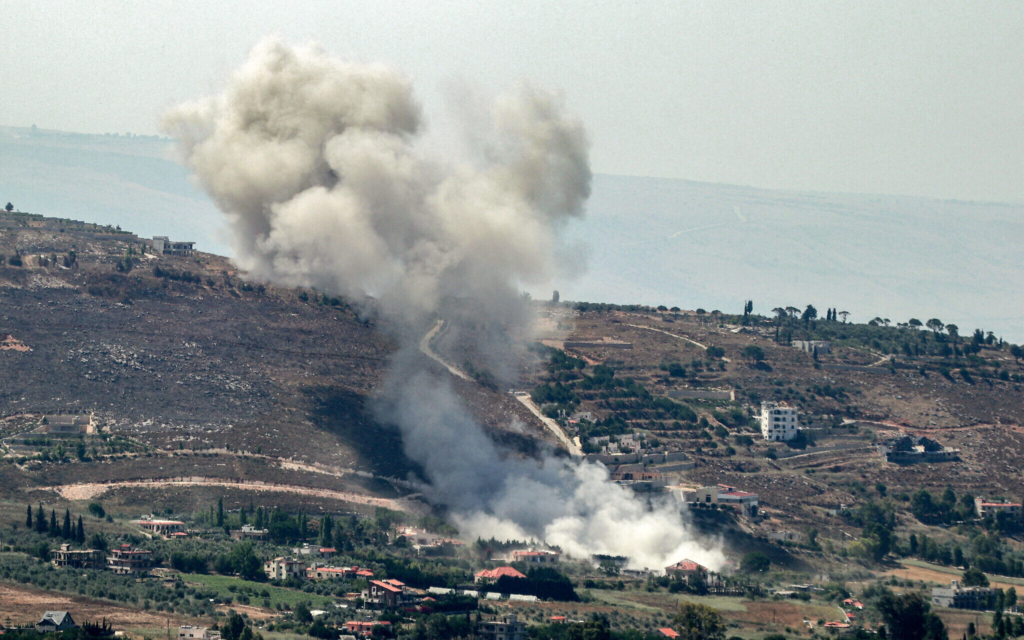
Iran’s calls for U.S. intervention are rooted in a belief that American influence could help broker a settlement or at least encourage a pause in the violence. country insists that without such an intervention, the cycle of violence may persist, leading to more significant humanitarian costs in Gaza and Lebanon.
The Broader Impact on Middle Eastern Stability and Prospects for Peace
The conflicts in Gaza and Lebanon are part of a broader geopolitical struggle in the Middle East, where multiple countries have competing interests. The escalation of violence in these areas threatens not only its own strategic interests but also the region’s overall stability.
Iran’s appeal to Trump reflects Tehran’s desire for the U.S. to adopt a more balanced approach in its foreign policy, one that addresses both Israeli security concerns and the rights of Palestinians and Lebanese.
The call for peace and restraint is also a signal from country to the international community about the need for a collective approach to Middle Eastern issues.
The Arab League and the Organisation of Islamic Cooperation (OIC) are key platforms for articulating shared concerns over regional stability. By bringing these issues before these organizations, Iran emphasizes the necessity of a unified response to conflicts that, in its view, threaten to escalate beyond control.
Iran’s appeal to the Trump administration, and to the broader international community, is essentially a request for accountability. Tehran’s leaders argue that unchecked violence could foster more profound instability, potentially drawing more nations into the conflict.
According to Iran, the ultimate goal should be a stable and peaceful Middle East where nations respect each other’s sovereignty and adhere to principles of international law.