
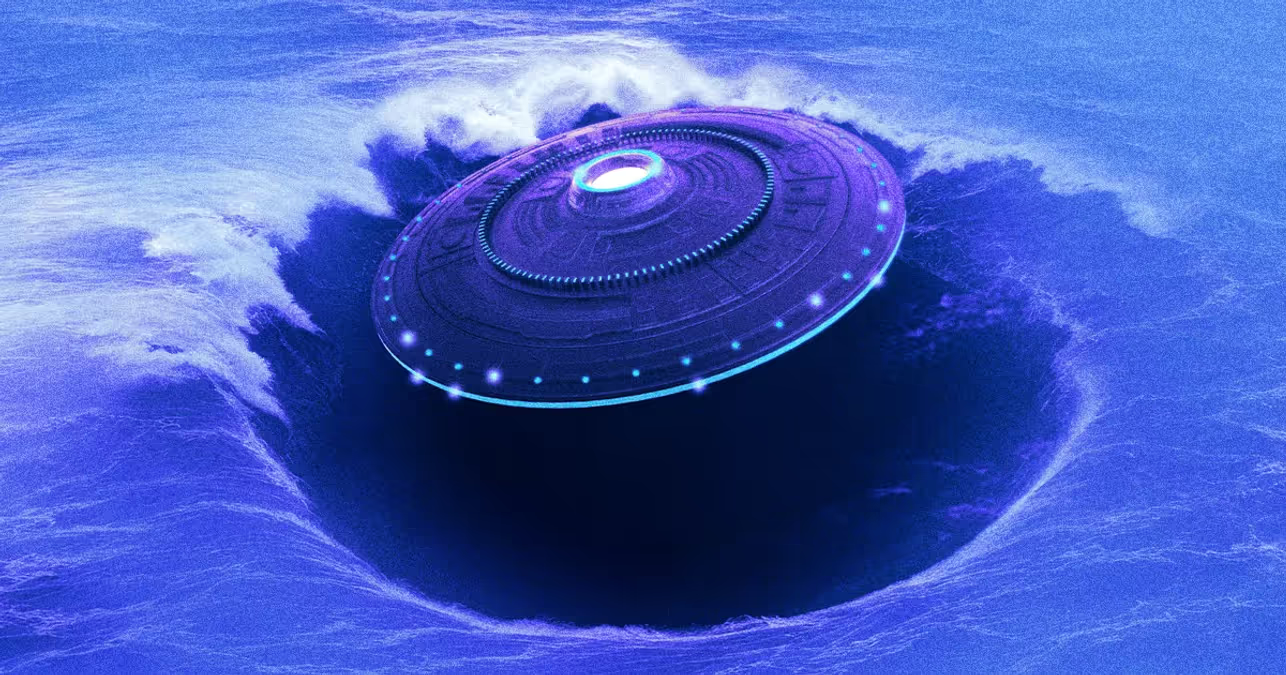
Discussions about unidentified anomalous phenomena (UAPs) have transcended the realm of science fiction to become a topic of global intrigue. The latest hearing in the United States, titled “Unidentified Anomalous Phenomena: Exposing the Truth,” has reignited curiosity about the possibility of Underwater Alien Bases
With startling claims made by experts and lawmakers, this discussion touches upon the enigmatic world of UAPs, the potential existence of extraterrestrial technology beneath our oceans, and the implications of government secrecy.
The Underwater Alien Base Hypothesis
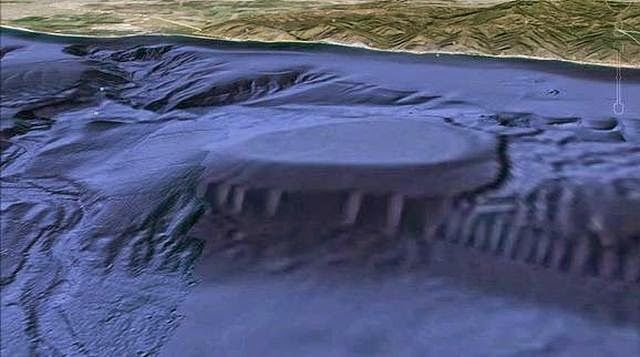
One of the most compelling theories discussed during the recent UAP hearing is the notion of underwater alien bases. Colorado congresswoman Lauren Boebert highlighted accounts of unidentified flying objects submerging into and emerging from the ocean. She raised questions about the possibility of these phenomena indicating a hidden alien presence beneath Earth’s waters.
Boebert’s inquiries brought attention to whether these oceanic UAPs demonstrate technological capabilities that defy human understanding of physics or engineering. While no concrete evidence was presented to substantiate these claims, her questions opened a floodgate of speculation. Could advanced extraterrestrial civilizations have chosen the oceans as their sanctuary, far from human detection?
Read : “I am an alien. Yeah, I keep saying I’m an alien, but nobody believes me”: Elon Musk
Historical accounts bolster this hypothesis. Fishermen and naval officers have reported sightings of unusual lights and objects moving at incredible speeds underwater. Such reports have fueled speculation that these craft originate from bases hidden within the depths of Earth’s oceans. However, the lack of transparency and concrete data from official investigations continues to shroud these phenomena in mystery.
Government Secrecy and the “Black” Classified World
A central theme of the hearing was the alleged secrecy surrounding UAPs and their potential connection to extraterrestrial activity. Witnesses claimed that the U.S. government has evidence of aliens, including photos, videos, and other data, but has classified it under “black” projects inaccessible to the public.
Former Department of Defense officials and intelligence officers testified about a secret UFO retrieval program allegedly conducted by the government.
Read : What Is the Alien Enemies Act That Trump Said He Will Use?
This program is rumored to have involved recovering and studying extraterrestrial spacecraft and their advanced technology. Witnesses further claimed that UAPs have, on occasion, injured government employees during encounters, though details remain elusive.
Criticism was directed at the Pentagon’s All-Domain Anomaly Resolution Office (AARO), established in 2022 to investigate UAP reports. Lawmakers like Representative Nancy Mace questioned the office’s transparency and accountability, calling for an audit of its budget and activities. Accusations of excessive secrecy have cast doubt on the intentions of such agencies, leading to growing public demand for disclosure.
The alleged existence of reverse-engineering programs to study extraterrestrial technology raises ethical concerns. If true, these programs might hold groundbreaking advancements in propulsion, materials science, and energy that could revolutionize human technology. However, their secrecy denies humanity the benefits of such discoveries and perpetuates mistrust in governmental institutions.
Unanswered Questions and Implications
Despite the dramatic claims made during the hearing, the lack of concrete evidence leaves many questions unanswered. Are the sightings of UAPs genuine instances of extraterrestrial activity, or could they be attributed to advanced human-made technology or natural phenomena? If underwater alien bases exist, how have they remained hidden for so long, and what is their purpose?
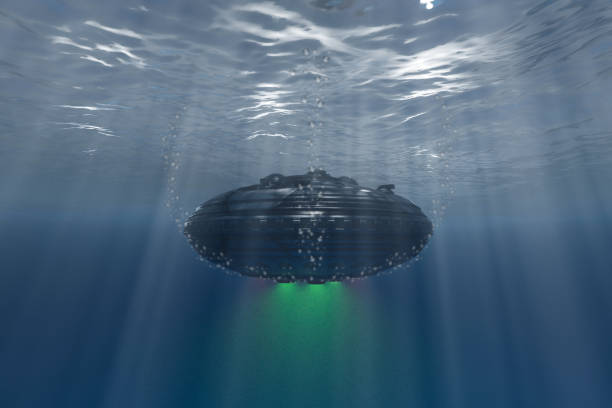
The implications of extraterrestrial life on Earth are profound. The discovery of underwater alien bases would revolutionize our understanding of life, technology, and the cosmos. It could also challenge humanity’s perception of itself in the universe, fostering a sense of unity or, conversely, fear of the unknown.
Calls for transparency have grown louder, with experts and lawmakers urging the government to declassify UAP data. The idea of bringing the truth into the public domain is seen as a step toward fostering trust and advancing scientific inquiry. Yet, skeptics argue that without verifiable evidence, these hearings risk becoming fodder for conspiracy theories rather than credible scientific discourse.
The fascination with underwater alien bases reflects humanity’s enduring curiosity about the unknown. While the truth remains elusive, the continued investigation into UAPs could eventually unveil the mysteries of the cosmos, challenging the boundaries of human knowledge and imagination.