

The ongoing conflict in northern Syria has taken another turn as Turkey Denies Ceasefire Deal with the US-backed Syrian Democratic Forces (SDF).
This denial follows a statement by the US suggesting that a ceasefire around the city of Manbij had been extended, highlighting the complex dynamics between Turkey, the SDF, and international players in the region.
Turkey Denies Ceasefire Deal
Turkey has been unwavering in its position against engaging with the SDF, which it categorizes as a terrorist organization. The SDF, a key ally in the US coalition against Islamic State militants, is spearheaded by the YPG. Ankara views the YPG as an extension of the Kurdistan Workers Party (PKK), a group it has been battling for over four decades.
A Turkish defense ministry official, speaking on condition of anonymity, rejected the idea of any ceasefire talks, calling the US statement a “slip of the tongue.”
Read : US in Direct Contact with Syrian Rebel Group Which Ousted Assad: Confirms Blinken
The official emphasized Turkey’s continued efforts to secure its borders and combat terrorism. “Our preparations and precautions as part of the fight against terrorism will continue until the PKK/YPG lays down its arms and its foreign fighters leave Syria,” the official declared.
This hardline stance reflects Turkey’s broader strategy in northern Syria, where it supports the Syrian National Army, a paramilitary group aiming to “liberate” YPG-controlled areas. Despite speculation about a potential ground operation, Turkey has signaled no immediate plans for an incursion but remains vigilant about threats from across its borders.
The SDF’s Response and Regional Tensions
The SDF, on the other hand, has accused Turkey and its allied forces of undermining international efforts to establish a ceasefire. In a statement, the SDF claimed that “the Turkish occupation and its mercenaries did not abide by this decision and continue their attacks on the southern front of the city of Kobani.”
The SDF has vowed to continue its resistance, urging residents of Kobani to take up arms. This development underscores the fragile and volatile nature of ceasefire agreements in the region.
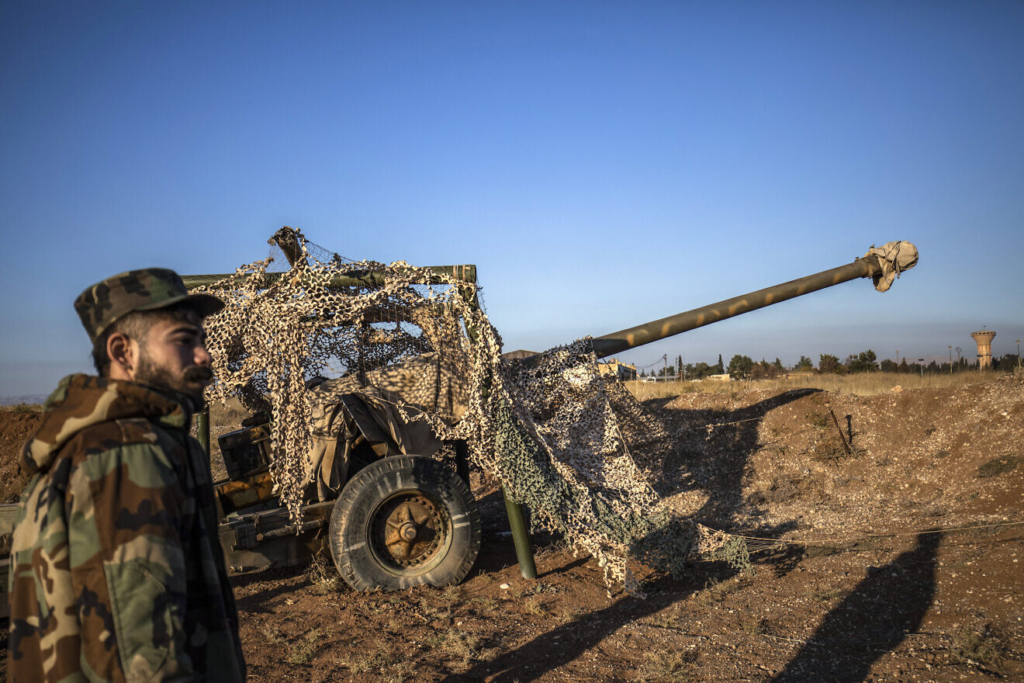
While the US initially brokered a temporary ceasefire last week following intense clashes, maintaining such agreements has proven challenging amidst the deep-seated animosities and differing objectives of the involved parties.
The US finds itself in a delicate position as it navigates its alliance with the SDF while managing its strategic relationship with Turkey, a key NATO member.
Washington and its Western allies list the PKK as a terrorist organization but do not extend the designation to the YPG or the SDF. This nuanced stance has often been a source of tension between the US and Turkey.
Broader Implications for Northern Syria
The denial of a ceasefire deal and the ongoing hostilities have significant implications for northern Syria and the broader region. The power struggle in this area involves not just Turkey and the SDF but also various other stakeholders, including the Syrian government, rebel factions, and international powers like the US and Russia.
Turkey’s actions in northern Syria are part of its broader strategy to create a buffer zone along its southern border, free from groups it deems terrorist threats. This has involved multiple military operations over the years, leading to the displacement of thousands and reshaping the demographic and political landscape of the region.
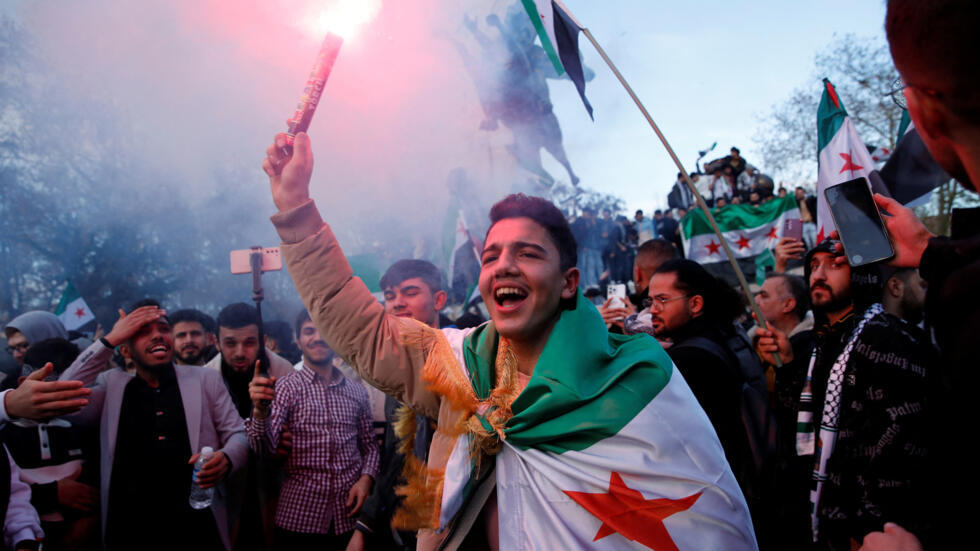
Meanwhile, the SDF’s role as a crucial ally in the fight against the Islamic State has complicated its relationship with Turkey. The group’s effectiveness in combating ISIS has earned it support from the US-led coalition, but its ties to the YPG and PKK remain a sticking point for Ankara.
As the situation evolves, the potential for escalation remains high. Any renewed military operation by Turkey could further destabilize the region, exacerbate the humanitarian crisis, and strain Turkey’s relations with its Western allies. At the same time, the SDF’s determination to resist Turkish advances highlights the resilience and complexity of local dynamics.
The denial of a ceasefire agreement between Turkey and the SDF underscores the deep-seated challenges in resolving the conflict in northern Syria. With Turkey maintaining its hardline stance against the SDF and the SDF vowing to continue its resistance, the prospects for a lasting resolution appear dim.
The involvement of international players like the US adds another layer of complexity, as they balance strategic alliances with competing interests. The situation in northern Syria remains a critical flashpoint, with implications for regional stability and international relations.