

Air travel is an experience filled with many routines and regulations, some of which passengers often find tedious or inconvenient. Among the most familiar is the requirement to keep seatbelts fastened until the aircraft has safely parked at the gate.
Despite the clear safety rationale behind this rule, many travelers worldwide have been known to unbuckle their seatbelts prematurely, eager to exit the plane as soon as it touches down. Now, Turkey has taken a bold and unprecedented step to curb this widespread annoyance and safety risk by imposing fines on passengers who fail to comply with seatbelt rules and other safety instructions while taxiing.
A Bold New Approach to Passenger Safety and Order
Turkey’s recent decision to fine passengers who unbuckle their seatbelts or stand before the plane has come to a complete stop at the gate signals a firm commitment to aviation safety and orderliness. The Turkish Directorate General of Civil Aviation posted these new rules early in 2025, emphasizing the need for strict adherence to the seatbelt sign and other safety protocols.
The move comes as a response to a noticeable increase in passenger complaints and incidents where travelers ignore crew instructions and safety regulations. Director General Kemal Yuksek highlighted the growing issue in a letter to airline operators, noting that many passengers have been standing in the aisles, opening overhead compartments, and preparing to deplane before the aircraft is fully parked and the seatbelt sign turned off. These behaviors not only disrupt the flow of passengers exiting the plane but also create potential safety hazards.
Read : Boycott of Turkey and Azerbaijan Growing in India After Both Countries Publicly Supported Pakistan
The directive from Turkish aviation officials clarifies that it is “strictly forbidden to stand up, open overhead compartments, or be present in the aisle before the aircraft has reached its parking position and the seatbelt sign has been turned off.” The letter also contains a sample announcement for flight crews to remind passengers in clear and firm terms to wait patiently until it is safe and orderly to move about.
Read : Turkey Will Lose More Than It Gains: Putin on Trade with the West
This new rule applies to both domestic and international flights landing in Turkey, and it carries the potential for fines for those who disregard it. Although the exact amount of these fines has not been disclosed, passengers caught violating the regulation may face penalties determined by the Directorate General of Civil Aviation after a disruptive passenger report is filed by the airline crew.
Safety Risks Behind Early Unbuckling and Movement
At first glance, the urge to unbuckle as soon as a plane lands seems understandable — passengers want to disembark quickly, especially after long flights. However, experts warn that premature movement inside a taxiing aircraft carries serious safety risks. The plane is not yet stationary, and the pilot must navigate the taxiway carefully, often making sharp turns or sudden stops to reach the gate.
When passengers stand or move about before the plane has stopped, they risk injury from sudden jolts or unexpected movements. Loose items stored in overhead bins may fall, and people standing in the aisles can block pathways critical for crew members to perform their duties and maintain cabin safety. Moreover, standing or walking too early could interfere with the pilot’s ability to maneuver safely, as the distribution of weight and passenger movement might affect the aircraft’s balance.
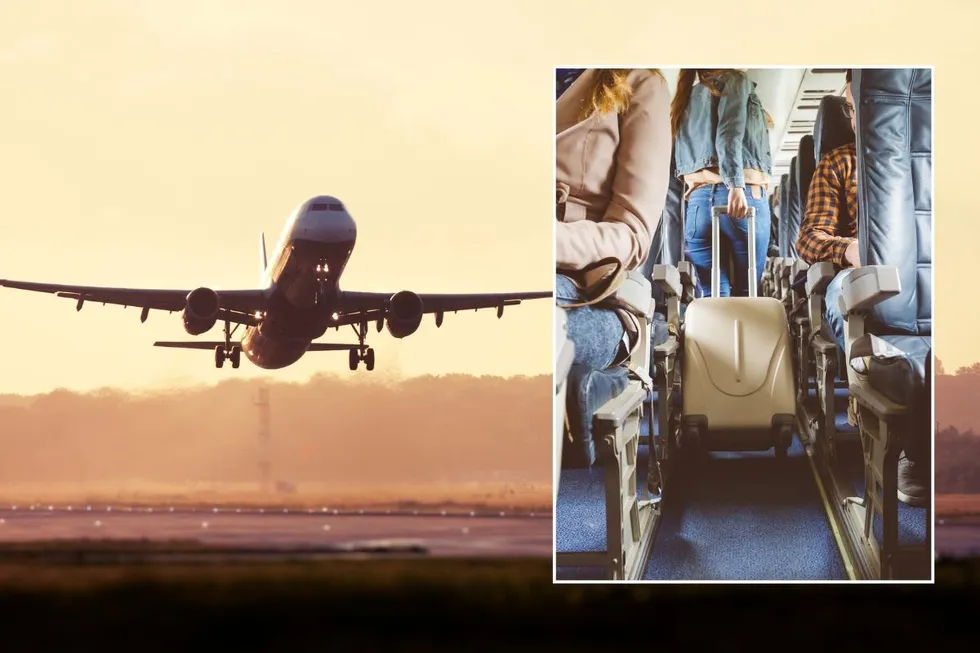
The seatbelt sign is a critical safety device designed to protect passengers during moments of increased risk such as takeoff, landing, and taxiing. Despite these clear risks, many travelers often ignore the seatbelt sign and cabin crew instructions, fueled by impatience and the modern culture of rushing. Turkey’s new fines aim to change this mindset by enforcing compliance and ensuring safer, more orderly disembarkation.
The Growing Problem of Unruly Passengers in Aviation
Turkey’s decision to impose fines also highlights a broader and troubling trend in the aviation industry: the rise of unruly passenger behavior. According to the International Air Transport Association (IATA), incidents involving disruptive passengers are not uncommon, and they most frequently involve passengers ignoring crew instructions, including failing to fasten seatbelts, as well as verbal abuse and intoxication.
In 2021 alone, the U.S. Federal Aviation Administration (FAA) reported nearly 6,000 incidents of unruly behavior onboard flights. Though this number has decreased somewhat in recent years — with around 2,000 incidents reported in 2023 — the nature of such behaviors has become more concerning. There has been a 65% increase in incidents escalating to physical altercations, a statistic that airline authorities worldwide find alarming.
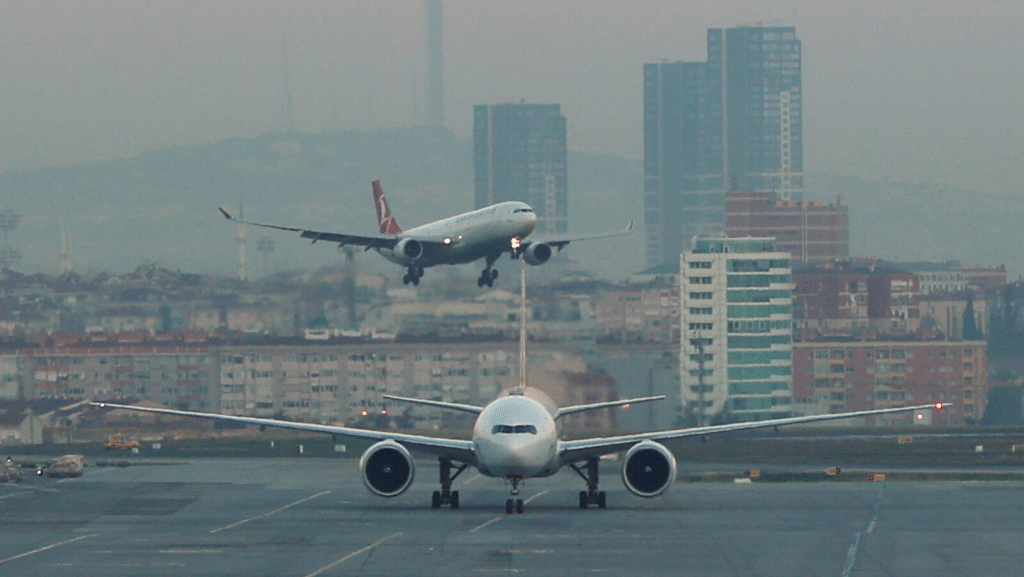
Many experts attribute the rise in disruptive behavior to broader societal trends. Jared Kenworthy, a psychology professor at the University of Texas, Arlington, has suggested that increased social acceptance of anger and belligerence, amplified by social media, has spilled over into public spaces including airplanes. Stressful situations, travel delays, and crowded cabins can trigger passenger frustration, which sometimes erupts into confrontations with crew or fellow travelers.
Countries like the United States have already established significant civil penalties for passengers who assault or threaten crew members, with fines reaching up to $37,000. Turkey’s newly introduced fines for early seatbelt unbuckling and standing in the aisles before the plane stops add to this global movement toward enforcing respectful and safe behavior onboard.
Turkey’s introduction of fines for passengers who unbuckle their seatbelts or stand up before the plane has come to a complete stop is a clear and strong statement about the importance of safety and discipline in air travel. While the practice of rushing to leave the plane immediately after touchdown is common and often driven by impatience, it carries genuine risks for passengers and flight crews.
By enforcing these rules and issuing fines, Turkey is taking a proactive approach to reducing disruptive behavior and prioritizing safety in the skies. Other countries and airlines may soon consider similar measures as unruly passenger incidents continue to pose challenges worldwide. For travelers, this new regulation serves as a timely reminder that following flight crew instructions and respecting safety rules is not only about personal convenience but also about the well-being of everyone on board.
Next time you fly to Turkey or through Turkish airports, remember: patience is a virtue, especially when it comes to keeping your seatbelt fastened until the plane has safely stopped. Your safety, and the safety of your fellow passengers, depends on it.