

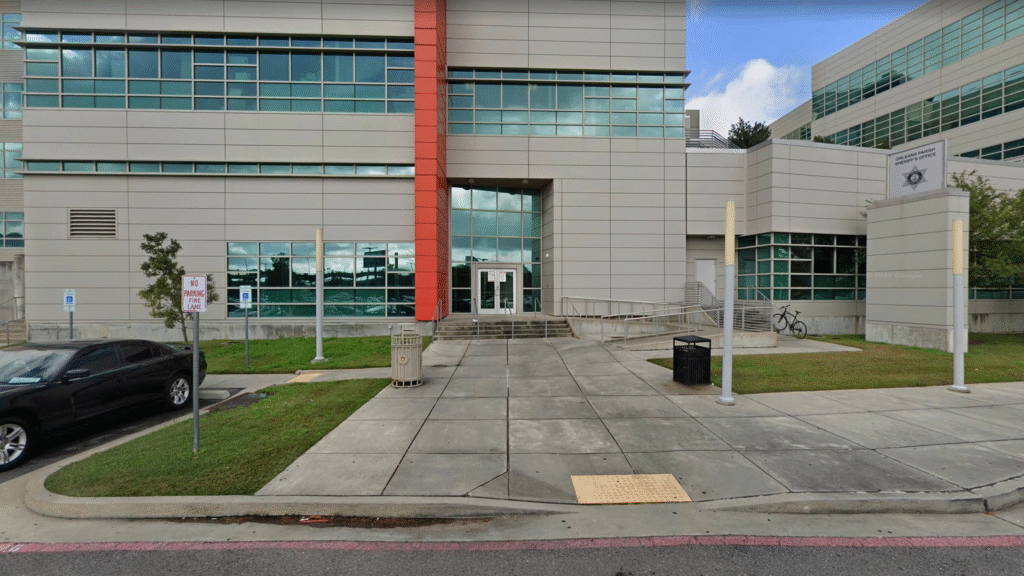
The Orleans Justice Center in New Orleans has once again found itself under intense public scrutiny following the mistaken release of a dangerous inmate, Khalil Bryan. This latest blunder follows a string of alarming security breaches at the facility, including a mass escape of ten inmates just months prior. The release, which officials say resulted from human error and failure to follow proper protocols, has sparked outrage and concern among city residents, law enforcement, and city officials alike.
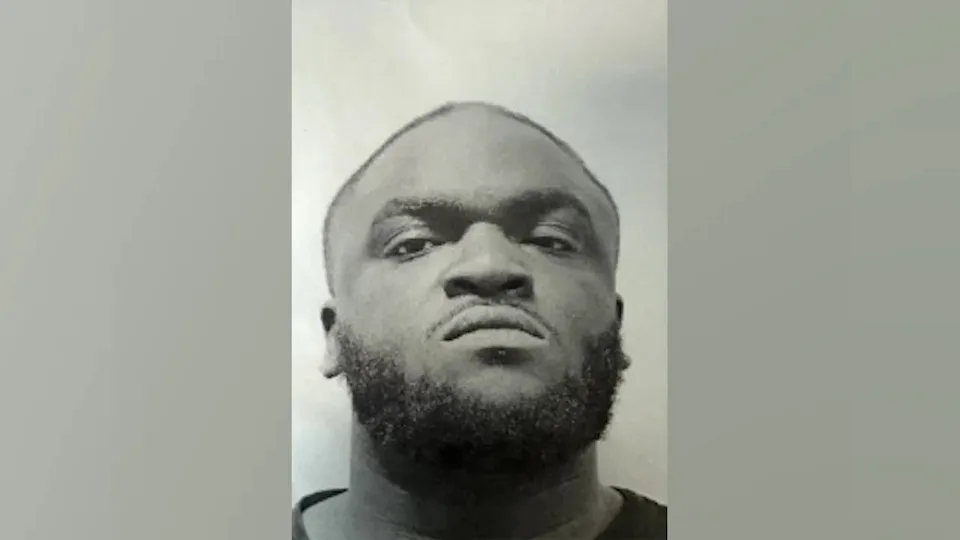
Bryan, who was mistakenly released on July 25, has not yet been found and remains at large. The incident not only highlights the fragility of the current inmate release procedures but also raises troubling questions about the management and oversight of the Orleans Parish jail system.
A Dangerous Mix-Up
According to the Orleans Parish Sheriff’s Office, Khalil Bryan was mistakenly released due to confusion during the jail’s overnight release process. Authorities said he was confused with another inmate who had the same last name. The deputies responsible failed to verify Bryan’s identity adequately, a lapse that has been characterized as a “severe breach of duty and process.”
The mistake was only discovered nearly ten hours later, at 11:10 a.m. the next morning. By then, Bryan was already outside the facility, and a public notice was not issued until 3:45 p.m. that day. Officials defended the delay by stating they wanted to avoid tipping off Bryan while they attempted to locate him.
Sheriff Susan Hutson did not mince words when addressing the incident. In a public statement, she admitted, “This incident reflects a failure in execution, and we are taking full accountability.” She further emphasized that the people of New Orleans deserve a jail that “operates with precision and professionalism.” Two deputies were promptly fired, and five others have been suspended as a result of this procedural failure. A comprehensive review of release procedures and additional training has been mandated in response.
Khalil Bryan, a 30-year-old inmate, was mistakenly released from the Orleans Justice Center in New Orleans, Louisiana, due to a clerical error involving the misidentification of Bryan with another inmate who had a similar last name.
— T_CAS videos (@tecas2000) July 26, 2025
Bryan was being held on multiple charges,… pic.twitter.com/gPPohsIuMJ
Bryan, 30, was not just another inmate. While some of the charges he faced were non-violent—such as possession of stolen property and drug paraphernalia—he also has a warrant for serious offenses, including aggravated assault with a firearm, domestic abuse, child endangerment, and home invasion. Police Chief Anne Kirkpatrick confirmed that Bryan has a “violent criminal history,” making his unintentional release all the more alarming.
A Troubling Pattern of Security Failures
The mistaken release of Khalil Bryan is not the first red flag for the Orleans Justice Center in recent months. Just this past May, ten inmates managed to escape from the same facility in a highly coordinated effort. According to reports, the inmates manipulated a sliding cell door until it derailed, removed bathroom fixtures, and then escaped through a hole in the wall.
They made their way to the jail’s supply loading bay and used blankets to scale a security wall topped with razor wire. From there, they ran across Interstate 10 and vanished into the broader New Orleans area.
Read : New Orleans Officials Mistakenly Released Khalil Bryan from Prison
That incident, which shocked the community, should have prompted an urgent and comprehensive overhaul of security and procedural protocols. Instead, the jail now finds itself entangled in yet another scandal, compounding concerns over its ability to safely manage inmates and protect public safety.
District Attorney Jason Williams, addressing the issue, remarked, “This is a deeply troubling incident that underscores the ongoing systemic issues surrounding the exercise of custody and control over detained individuals.” He did not rule out pursuing criminal charges against the deputies involved in the latest blunder, a move that underscores the gravity of the mistake.
Sheriff Hutson’s office insists that the mistake was not a system failure but rather a human error—a distinction that might offer some administrative cover but does little to reassure the public. When the very individuals responsible for enforcing the law and maintaining order within correctional facilities are found to be negligent, public trust erodes quickly.
Public Reaction and Institutional Accountability
The reaction from the public and law enforcement officials has been predictably intense. New Orleans residents are understandably anxious about having a potentially dangerous individual loose in their community due to what appears to be preventable errors. Public confidence in the Orleans Justice Center has plummeted, with many calling for a sweeping review of all operational and administrative procedures.
Sheriff Hutson’s admission of fault and the swift disciplinary action taken against the involved deputies mark a necessary first step. However, accountability must go beyond the firing and suspension of staff. Systemic issues—ranging from understaffing, inadequate training, and procedural lapses to insufficient oversight—need to be identified and addressed.
Critics have pointed out that relying on human accuracy during an overnight shift, when staff fatigue is more likely, is inherently risky. Enhanced use of biometric verification, automated alerts, and supervisory sign-offs may provide a solution to reduce such mistakes in the future. Hutson has announced that all future inmate releases will now be reviewed by a supervisor, a move that appears reactive rather than proactive in the wake of two high-profile security failures.
The broader context of this incident also brings into focus the chronic challenges facing many correctional facilities across the United States. Issues like budget constraints, high staff turnover, inadequate training, and outdated infrastructure often combine to produce dangerous outcomes. What happened at the Orleans Justice Center is symptomatic of a larger, national problem—jails that are not properly equipped or managed to maintain secure, efficient, and humane operations.
Meanwhile, Khalil Bryan’s release has led to a citywide search. Although the sheriff’s office stated he wasn’t considered an “immediate threat,” the public finds little comfort in that assertion given his violent criminal record. Police continue to investigate and pursue leads on his whereabouts, but with every passing day, the risk to public safety increases.
The man who was actually supposed to be released on July 25 was eventually let go around 11 p.m. the same night, further adding confusion and highlighting the disarray in the jail’s release protocols.
As law enforcement authorities attempt to track down Bryan, the Orleans Parish Sheriff’s Office faces growing scrutiny from both local officials and national observers. The situation has become emblematic of the consequences of operational complacency within the criminal justice system.
In the end, the firing of two deputies, while warranted, will not solve the underlying issues. For the citizens of New Orleans to feel secure and for justice to be served consistently and reliably, deep institutional reforms are needed. Whether this incident will be the catalyst for such reforms remains to be seen, but the pressure is certainly mounting.
As the search for Khalil Bryan continues, one thing is clear: the Orleans Justice Center must confront its internal failures and institute meaningful changes if it hopes to restore credibility and ensure the safety of those it is meant to serve.