
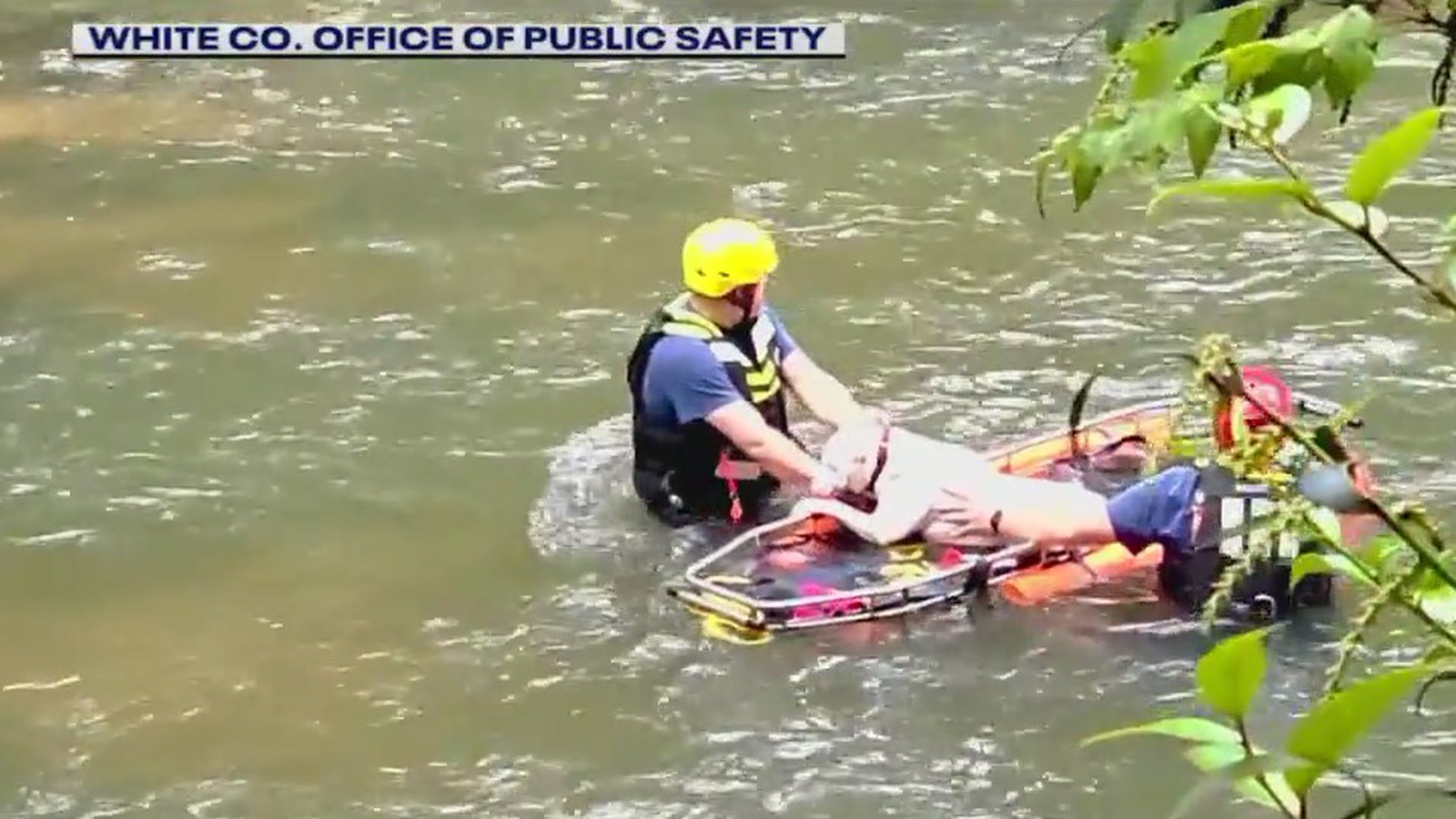
On the evening of August 20, 2025, a relaxing getaway turned perilous for a group of elderly women vacationing at a remote cabin in Wolfe County, Kentucky. What began as a leisurely soak in a hot tub nearly ended in tragedy when two women in their 80s, hindered by pre-existing medical conditions, became trapped in the heated water, succumbed to hyperthermia, and lost consciousness. The swift actions of their companions and emergency responders ultimately saved their lives, but the incident has sparked a broader conversation about hot tub safety, particularly for vulnerable populations.
The Incident: A Relaxing Dip Turns Dangerous
The group of four women, all in their 80s, had gathered for a “girls’ trip” at a remote cabin near Red River Gorge, approximately 70 miles southwest of Lexington, Kentucky. The cabin, nestled in the scenic Clifty Wilderness section of the gorge, offered a peaceful retreat, complete with a hot tub for relaxation. On the evening of August 20, the women decided to enjoy the hot tub, unaware that the decision would lead to a life-threatening ordeal.
According to the Wolfe County Search and Rescue Team (WCSART), the trouble began when the group attempted to exit the hot tub after an extended period of soaking. Two of the women, burdened by pre-existing health issues, found themselves unable to climb out of the tub.
The combination of prolonged exposure to the hot water and their medical conditions led to overheating, a condition known as hyperthermia, where the body’s temperature rises dangerously above 104 degrees Fahrenheit and cannot cool down effectively. As their body temperatures soared, both women became unresponsive, one slipping into a critical condition while the other was partially responsive.
Read : 21 Quick Tips to Help You Sleep When You Can’t
The situation escalated quickly. The two conscious women in the group acted decisively to prevent a worse outcome. One re-entered the hot tub to hold her friends’ heads above water, ensuring they did not drown, while the other called 911 for immediate assistance. The remote location of the cabin, off Highway 715, posed challenges for emergency responders, as EMS was not initially available. However, the quick thinking of the group and the subsequent response from rescuers proved critical in averting a fatal outcome.
The Rescue: Swift Action Saves Lives
The Wolfe County Search and Rescue Team, along with the Wolfe County Sheriff’s Office and the cabin’s caretakers, responded to the 911 call received at approximately 8:40 p.m. on August 20. By the time the rescue team arrived, the caretakers had managed to remove the two unresponsive women from the hot tub, a critical step that likely prevented drowning. Upon assessment, responders found one woman completely unresponsive and in critical condition, while the other was partially responsive but still in serious distress.
Rescuers immediately initiated cooling measures to combat the effects of hyperthermia. The more critical patient was moved to a shower, where cold water and ice were applied to lower her body temperature. The second woman was initially treated with ice and cold compresses but was later moved outside, where responders used a garden hose to further cool her down. These interventions, described as “cold-water immersion,” continued for 20 to 30 minutes, a period that proved vital in stabilizing the women’s conditions.
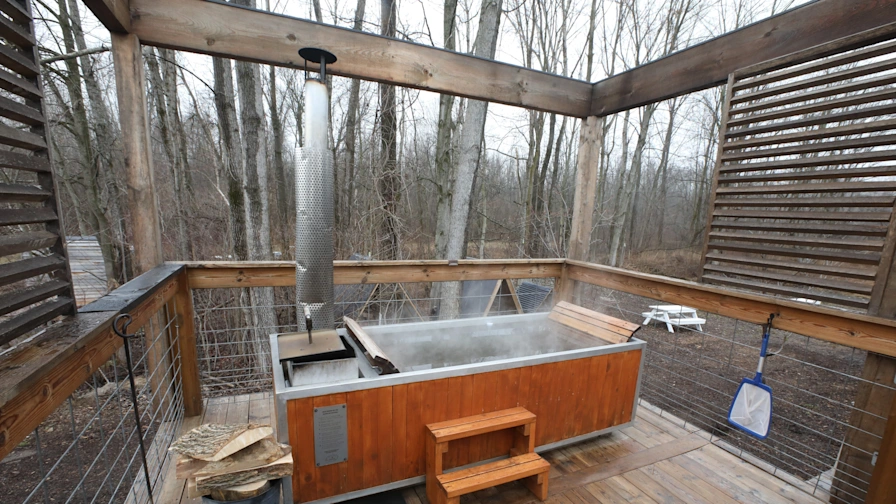
Kevin Osbourn, a spokesperson for WCSART, highlighted the urgency of the situation, noting that the women’s body temperatures needed to be lowered rapidly to prevent further complications from hyperthermia, which can lead to heatstroke, organ damage, or death. After the initial cooling efforts, both women began to regain consciousness, a promising sign that the interventions were effective. They were subsequently transported to a local hospital for further treatment and observation.
By the following day, August 21, both women were released from the hospital in good condition, a testament to the effectiveness of the rescue operation and the resilience of the individuals involved. John May, Chief of the Wolfe County Search and Rescue Team, emphasized the collaborative effort, stating that the outcome “could have ended much differently without the quick thinking of all those involved.” The incident, described by WCSART as a “first” for the team, underscored the unpredictable dangers that can arise in seemingly benign settings.
Lessons Learned: Hot Tub Safety for All
The near-tragic incident in Wolfe County has prompted authorities and safety advocates to reiterate the importance of hot tub safety, particularly for the elderly, children, and individuals with medical conditions. Hot tubs, while offering relaxation and therapeutic benefits, can pose significant risks if not used cautiously.
The Wolfe County Search and Rescue Team issued a statement urging users to limit soak times to between 15 and 30 minutes, as prolonged exposure to hot water can lead to hyperthermia, especially in vulnerable populations. They also stressed the importance of ensuring that individuals are capable of exiting the hot tub independently before entering, particularly if they have mobility issues or disabilities.
Hyperthermia, as seen in this incident, occurs when the body’s heat-regulating mechanisms fail, often due to prolonged exposure to high temperatures. For the elderly, pre-existing conditions such as heart disease, arthritis, or reduced mobility can exacerbate the risks, making it difficult to exit a hot tub or recognize the onset of overheating.
Symptoms of hyperthermia include dizziness, confusion, nausea, and, in severe cases, unconsciousness, all of which were evident in the Kentucky incident. Without prompt intervention, hyperthermia can progress to heatstroke, a life-threatening condition that requires immediate medical attention.

The rescue team’s statement also highlighted the broader implications of the incident, noting that “hot tubs offer a fantastic way to relax, but always remember to limit soak times.” They advised users to be mindful of their physical limitations and to avoid alcohol consumption while using hot tubs, as it can further impair judgment and increase the risk of complications. Unlike a 2017 incident in Palm Desert, California, where an elderly woman tragically died in a hot tub drowning linked to alcohol consumption, rescuers confirmed that alcohol was not a factor in the Kentucky case.
This incident serves as a cautionary tale for all hot tub users, regardless of age or health status. Safety measures such as setting a timer for soaks, ensuring the presence of a companion, and maintaining accessible exit points can make a significant difference. For those with medical conditions, consulting a healthcare provider before using a hot tub is advisable to assess potential risks. The Wolfe County incident, while harrowing, ended with a positive outcome, but it underscores the need for vigilance to prevent similar occurrences in the future.
The survival of the two elderly women in the Wolfe County hot tub incident is a remarkable story of quick thinking, teamwork, and resilience. The actions of their companions, who kept their heads above water and called for help, combined with the rapid response of the Wolfe County Search and Rescue Team, Sheriff’s Office, and cabin caretakers, ensured that the women received the care they needed to recover fully. Released from the hospital just one day after the incident, the women’s recovery highlights the effectiveness of immediate cooling measures and the importance of emergency preparedness in remote locations.
However, the incident also serves as a sobering reminder of the hidden dangers lurking in everyday recreational activities. Hot tubs, often associated with relaxation and luxury, can become hazardous without proper precautions, particularly for those with health challenges. The Wolfe County Search and Rescue Team’s call for limited soak times and ensured exit capabilities is a critical message for all hot tub users. By sharing this incident as a “cautionary and educational moment,” authorities hope to raise awareness and prevent future tragedies.
As the women return to their lives, their story stands as a testament to the power of community and the importance of safety awareness. For anyone planning a hot tub soak, the lesson is clear: enjoy the relaxation, but always prioritize safety. By adhering to recommended guidelines and staying mindful of personal limitations, individuals can ensure that their time in the hot tub remains a source of comfort rather than a cause for concern.