

Type 1 diabetes can be cured — this groundbreaking announcement from Chinese scientists has sent ripples across the global medical community. A world-first achievement in diabetes treatment, a successful stem cell transplant has reportedly allowed a 25-year-old woman to regulate her blood sugar naturally.
The historic event is a milestone not just for diabetes research but also for regenerative medicine, offering a potential breakthrough in the fight against type 1 diabetes, which affects millions worldwide.
The innovative approach, using stem cells derived from the patient’s own adipose tissue, eliminates the need for donor islets, long considered a limiting factor in diabetes treatment.
Read : Chinese Scientists Claim to Have Reverse Type 1 Diabetes with Stem Cell Transplant
The claim that type 1 diabetes can be cured through such procedures is already being hailed as a game-changer. The medical team from Tianjin First Central Hospital and Peking University, who conducted this revolutionary surgery, published their findings in the peer-reviewed journal Cell, setting a new benchmark for diabetes treatment.
The Breakthrough in Type 1 Diabetes Cure
The phrase type 1 diabetes can be cured seemed like a distant dream until Chinese scientists took an innovative leap in using pluripotent stem cells. Traditionally, islet cell transplants from deceased donors provided some relief to diabetes patients but were limited by donor shortages.
Read : Top Ten Countries with the Highest Diabetic Population
Moreover, these procedures were often hindered by the risk of immune rejection. However, in this case, Chinese researchers have bypassed these challenges by deriving islet cells from the patient’s own stem cells.
The process involved reprogramming adipose tissue cells into pluripotent stem cells, which were then chemically induced to form islet cells.

These CiPSC islet cells were transplanted into the patient’s body, successfully regulating her blood sugar levels without immune rejection. This advancement confirms that type 1 diabetes can be cured, at least in this initial case, thanks to this novel stem-cell technology.
What makes this process especially promising is its efficiency and reduced risk. The entire procedure took just half an hour, and the results have been nothing short of miraculous.
The patient stopped needing insulin injections 75 days after the transplant, a significant improvement considering she had been suffering from type 1 diabetes for 11 years. For a disease that has long been considered incurable, this discovery offers immense hope to millions of patients.
How Stem Cells Revolutionized the Treatment
The scientific process that led to this success hinges on a novel approach using stem cells. These chemically induced pluripotent stem-cell-derived islets (CiPSC) mark a significant departure from traditional methods.
Rather than relying on donor islets, which are in short supply and carry the risk of rejection, this approach creates islet cells directly from the patient’s body. By doing so, the researchers have overcome two of the biggest challenges in treating type 1 diabetes — immune rejection and the shortage of donors.
In a traditional islet transplant, cells are taken from a deceased donor’s pancreas and transplanted into the liver of the patient. While effective, this method faces several complications, including inflammation, immune response, and the challenge of finding matching donors.
By using the patient’s own cells, this new technique avoids these pitfalls. In addition, by choosing to transplant the cells into the abdominal muscles instead of the liver, the researchers further reduced inflammation risks, proving again that type 1 diabetes can be cured through this revolutionary technique.
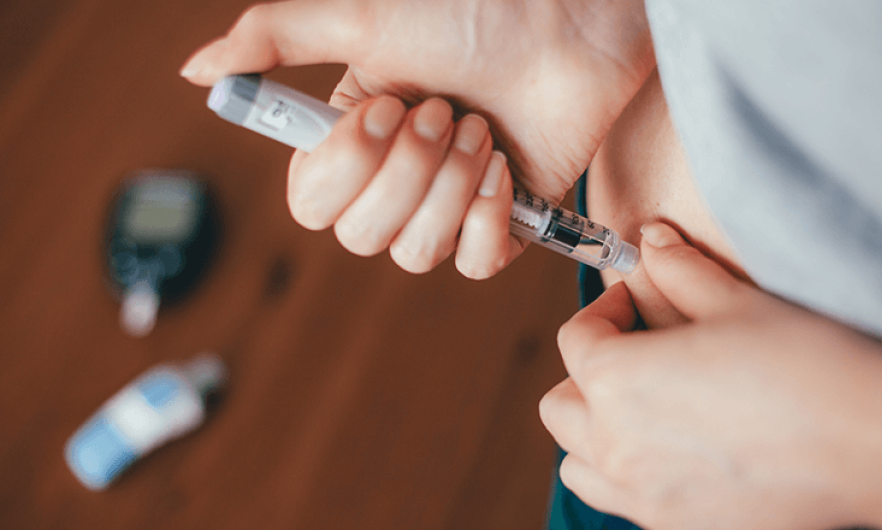
The 25-year-old woman who underwent the procedure had previously experienced severe swings in her blood sugar levels, requiring constant insulin injections and enduring life-threatening episodes of hypoglycemia.
After the CiPSC islet transplant, her blood sugar levels stabilized, and she no longer required insulin. For over a year, she has maintained stable blood sugar levels, making this a truly groundbreaking success.
Future Implications and Hope for Millions
The fact that type 1 diabetes can be cured through such innovative procedures opens up immense possibilities for further research and clinical trials.
The team involved in this groundbreaking surgery has called for more studies to assess the long-term impact of CiPSC islet transplants. If proven effective on a larger scale, this technique could be rolled out globally, transforming the way type 1 diabetes is treated.
Current treatments for type 1 diabetes focus on managing symptoms rather than curing the disease. Patients must take insulin for life, monitor their blood sugar levels constantly, and live in fear of dangerous complications like heart disease, nerve damage, and kidney failure.
For many, the idea that type 1 diabetes can be cured was a far-off dream, but now, thanks to the pioneering work of Chinese scientists, it’s on the horizon.
Moreover, this success story could have wider applications in the field of regenerative medicine. The use of pluripotent stem cells in other chronic conditions, like neurodegenerative diseases, heart disease, and autoimmune disorders, may offer similar results.

By creating healthy, functioning cells from a patient’s own tissue, the risk of rejection is dramatically reduced, and the need for donor organs or tissues may one day become obsolete.
This innovative approach also paves the way for more affordable treatment options. Current treatments for diabetes, including insulin and monitoring systems, are costly, and not all patients have access to adequate care.
The possibility that type 1 diabetes can be cured through a relatively simple and minimally invasive procedure could revolutionize healthcare, making treatment more accessible to a broader population.
In conclusion, this groundbreaking achievement by Chinese scientists offers a beacon of hope for millions suffering from type 1 diabetes. The idea that type 1 diabetes can be cured is no longer a distant dream, but a tangible reality that has been successfully tested in a clinical setting.
While more research is needed, the results of this study have laid the foundation for future advancements in diabetes treatment and regenerative medicine.
The success of this stem cell transplant in curing type 1 diabetes marks a pivotal moment in medical history and signals the dawn of a new era in the treatment of chronic diseases.