
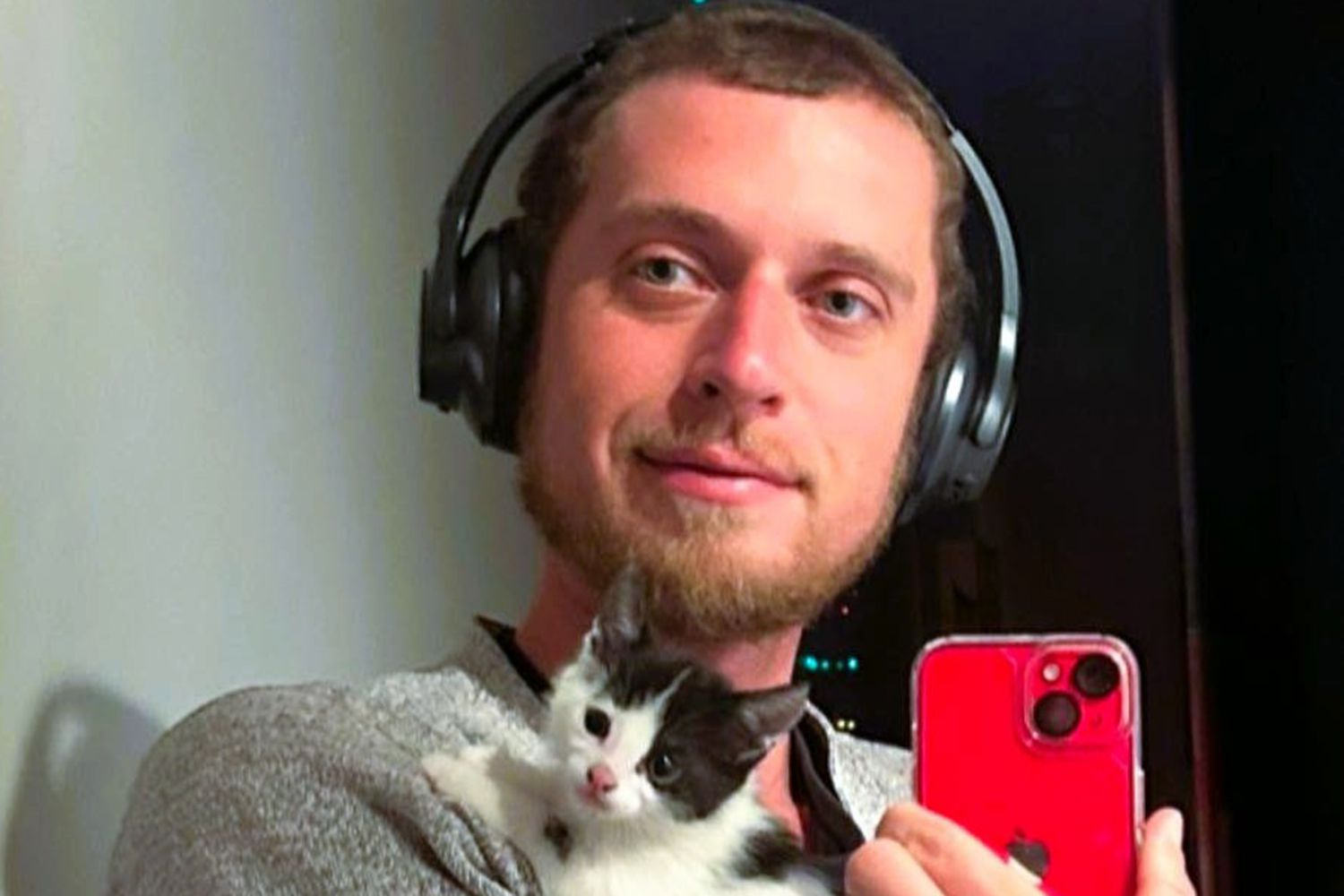
It was an ordinary morning in Philadelphia when Taras Zvir, 38, started his Uber shift like any other. Zvir, who drives part-time while launching his own business, wasn’t expecting anything unusual. But what began as a casual drive with a friendly conversation would soon escalate into a life-threatening emergency—one that demanded quick thinking and a calm demeanor.
Thanks to Zvir’s swift actions, a man’s life was saved in what could have easily been a fatal incident. Justin Anderson, 41, a fellow Uber driver and father of a 17-year-old daughter, was Zvir’s passenger that day. He was heading to Bucks County for work.
The two men bonded quickly over shared experiences in the ride-share world and their mutual love for music. Zvir recalls how they talked and laughed throughout the ride, with Anderson appearing completely fine—until suddenly, things took a terrifying turn.
From Friendly Conversation to Sudden Crisis
As the ride neared its end, Taras Zvir noticed Anderson behaving oddly. His head tilted unnaturally, and he looked as though he was suffocating. Though he was still responsive, his head began bobbing uncontrollably, and his responses grew weaker by the second. Sensing that something was seriously wrong, Zvir quickly sprang into action.
He rolled down the windows and blasted the air conditioning, hoping to stabilize his passenger’s condition. But things only got worse. Realizing the gravity of the situation, Zvir immediately pulled over and called 911. The dispatcher, upon hearing the symptoms, urged Zvir to begin CPR immediately.
It was then that Zvir’s past experience as an ambulance driver became critical. He rushed around the car, carefully pulled Anderson out, and laid him flat on the pavement, ensuring his head was protected. Without hesitation, he began performing CPR.
Read : YouTuber Yung Filly Arrested for Raping British Tourist at Hotel in Magaluf
“I just did it,” Taras Zvir later said. “You don’t think, you just do it. I feel like anybody would’ve done the same.” For nearly six to eight minutes, he administered CPR, counting compressions while anxiously waiting for emergency services to arrive. His training, paired with his innate sense of responsibility, kept him focused and calm in the face of a chaotic and frightening moment.
Read : Deliciousness at Doorsteps : The Top 10 Food Delivery Companies Worldwide
As the sirens finally neared, Taras Zvir’s relief was palpable. EMTs arrived and immediately took over, administering Narcan as part of a standard protocol to rule out a drug overdose. However, it would soon become clear that Anderson was experiencing a severe medical emergency that had nothing to do with drugs.
A Hidden Condition Comes to Light
Anderson was rushed to the hospital where a CT scan revealed a large subdural hematoma—an extensive brain bleed on the right side of his brain. Doctors diagnosed him with a spontaneous brain hemorrhage, caused by an AV fistula, a rare and dangerous abnormal connection between an artery and a vein. It was a condition Anderson likely had since birth but had never known about.
His mother, Deborah Anderson, later shared updates on her son’s condition via a GoFundMe page, describing the situation in heartbreaking detail. According to her, the bleeding had caused pressure on the brain, leading to a midline shift and tissue damage. Anderson had to undergo a craniotomy—a critical surgical procedure to relieve the immense pressure.

For days, Anderson remained unconscious. The prognosis was uncertain, and his family faced emotional turmoil as they waited for any signs of improvement. Then, on March 29, a small but powerful moment occurred—Anderson blinked his eyes twice in response to his mother’s questions. It was a breakthrough that filled Deborah with renewed hope.
She credits her son’s survival to the fact that he wasn’t alone when the hemorrhage occurred. Had he been at home or driving himself, the outcome could have been tragically different. “Had he not been in the back of that Uber, he would not be here today,” she wrote. It’s a chilling reminder of how unpredictable life can be—and how one person’s presence can change everything.
Heroism in Humility: A Lifesaving Bond
Zvir’s role in this extraordinary story has been hailed as heroic, though he himself resists that label. “I saw somebody needed help and I just helped. That’s it,” he says with disarming simplicity. For him, his actions were instinctual, not extraordinary. But for Anderson’s family, Zvir is nothing short of a guardian angel.
Since the incident, Zvir has kept in contact with Deborah Anderson, regularly checking in for updates on Justin’s recovery. He expressed a deep desire to eventually meet Anderson in person once he is well enough. “I definitely want to meet him. I want to make sure he recovers,” Zvir said.
The connection between these two men—strangers until that day—has grown into something meaningful and profound. Zvir didn’t just offer life-saving CPR; he offered compassion, concern, and continued support long after the sirens faded. It’s a bond forged not just through trauma but through genuine human empathy.
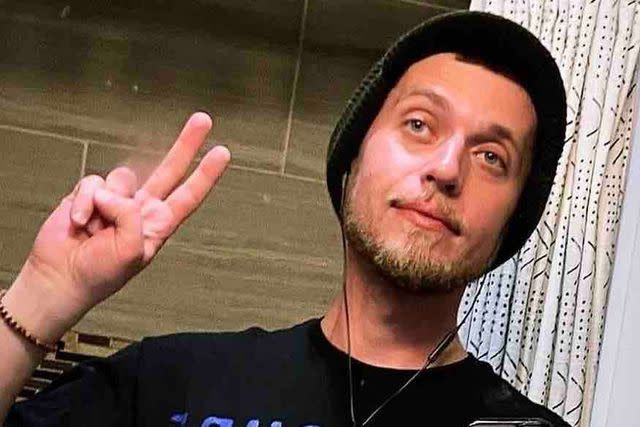
Anderson’s road to recovery remains long and uncertain. His mother’s GoFundMe campaign is raising funds to cover the extensive medical bills and ongoing expenses. The family’s resilience, bolstered by the kindness of a stranger, has inspired many who have followed the story.
Taras Zvir’s actions underscore the importance of CPR training, quick decision-making, and the power of doing the right thing—even when it’s hard. In today’s fast-paced world, where people often remain strangers even in shared spaces, stories like this remind us of our shared humanity. They remind us that heroism isn’t always flashy or dramatic—sometimes, it’s a quiet, instinctual decision to act when someone is in need.
Perhaps the most powerful message from this experience is one of preparedness and presence. Knowing CPR can literally mean the difference between life and death. And being present—truly noticing when someone is in distress—can be transformative. Taras Zvir did both. And because of that, a daughter still has her father, a mother still has her son, and the world has a renewed example of what it means to care.
As Anderson continues to fight his way back to health, Zvir stands ready with words of encouragement, updates with his mother, and the hope that one day soon, he’ll get to meet the man whose life he helped save.
In the end, Zvir’s story reminds us that ordinary people are capable of extraordinary deeds. He didn’t wear a uniform or a cape—but in the back of his Uber that day, he became a true hero.