
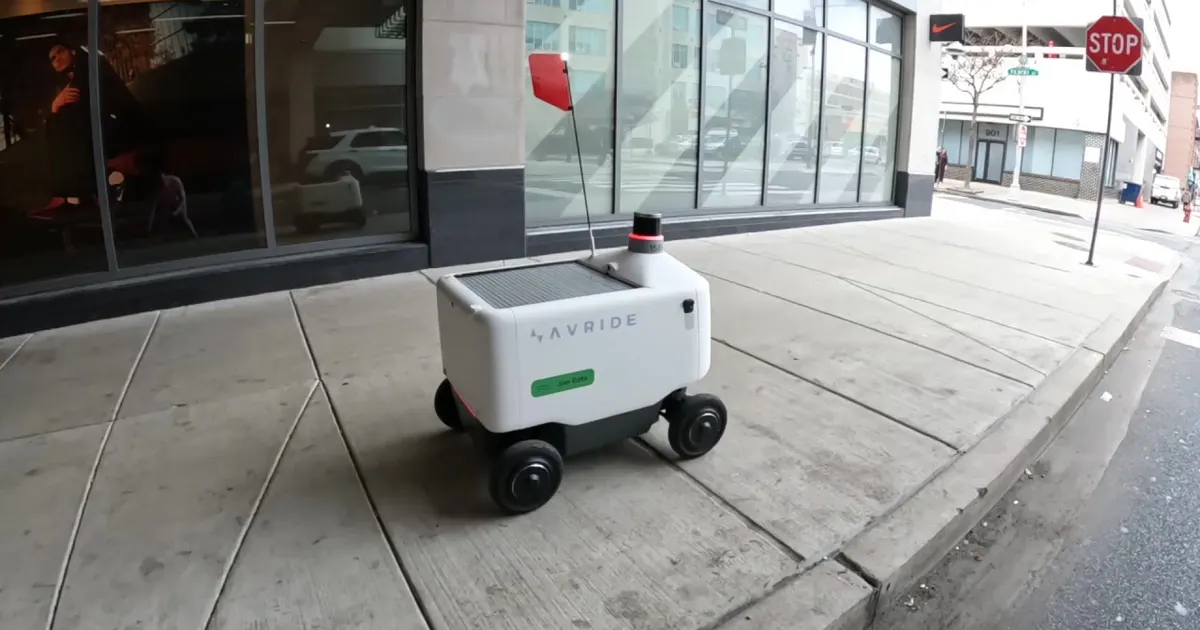
An incident involving an autonomous delivery robot in Center City Philadelphia has drawn attention to the growing pains of integrating new technology into busy urban environments. Over the weekend, an Uber Eats delivery robot was kicked and knocked over by passersby near the intersection of Juniper and Locust streets, marking the second such episode reported in the area within the same month.
While the machine appeared largely unaffected and was eventually set upright again, the event highlights both public curiosity and the challenges that accompany the deployment of robotics in everyday city life. As delivery automation expands, such interactions are becoming a focal point in discussions about safety, public behavior, and the future of urban logistics.
Public Interaction and Curiosity Around Delivery Robots
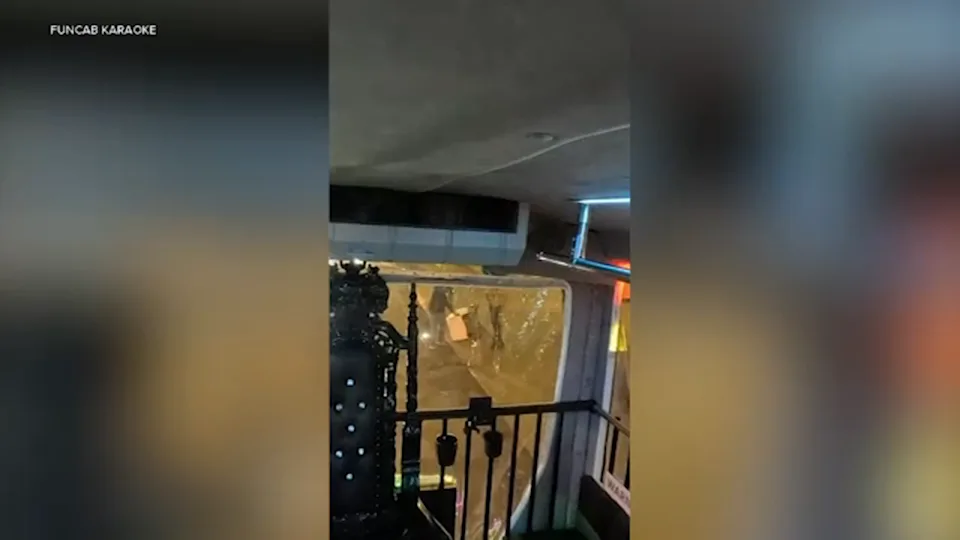
The presence of delivery robots navigating sidewalks has sparked a mix of fascination and unpredictability among pedestrians. In this case, the robot was first kicked and then toppled over near a parking garage entrance, reportedly by two individuals who later returned it to its upright position. The incident was captured on video and shared publicly, quickly gaining attention as an example of how people react to unfamiliar technology operating in shared public spaces.
This was not an isolated occurrence. Earlier in the same month, another robot in the same area was subjected to unusual behavior when a passerby sat on it. These actions reflect a broader pattern often observed when new forms of automation are introduced into populated environments. For many individuals, these machines are still a novelty, prompting spontaneous and sometimes inappropriate interactions. The lack of clear social norms around how to behave with autonomous systems contributes to such incidents.
Observers have noted that curiosity often drives these interactions rather than malicious intent. People may approach the robots, block their path, or attempt to test their reactions simply to understand how they function. In crowded urban settings like Center City Philadelphia, where foot traffic is constant and diverse, such behavior becomes more likely. The robots, designed to operate independently, must therefore contend not only with physical obstacles but also with unpredictable human actions.
Read : Chardham Yatra: A Spiritual Pilgrimage Across India’s Sacred Corners
Despite these challenges, the public response has not been entirely negative. Many individuals express interest and excitement about the technology, viewing it as a glimpse into the future of delivery services. However, incidents like these underscore the need for better public awareness and possibly clearer guidelines regarding acceptable behavior around autonomous systems.
Safety Design and Response Mechanisms of Delivery Robots
The company behind the robots has emphasized that safety remains a top priority in their design and operation. According to statements provided following the incident, the robots are engineered to respond conservatively when encountering interference. In most cases, they will stop moving if someone approaches too closely or attempts to interact with them, resuming their route only after the situation has cleared.
This cautious approach is intended to prevent accidents and ensure the safety of both pedestrians and the machines themselves. The robots are equipped with sensors and navigation systems that allow them to detect obstacles and adjust their behavior accordingly. When faced with unexpected actions, such as being kicked or blocked, the system defaults to a passive response rather than attempting to push forward.
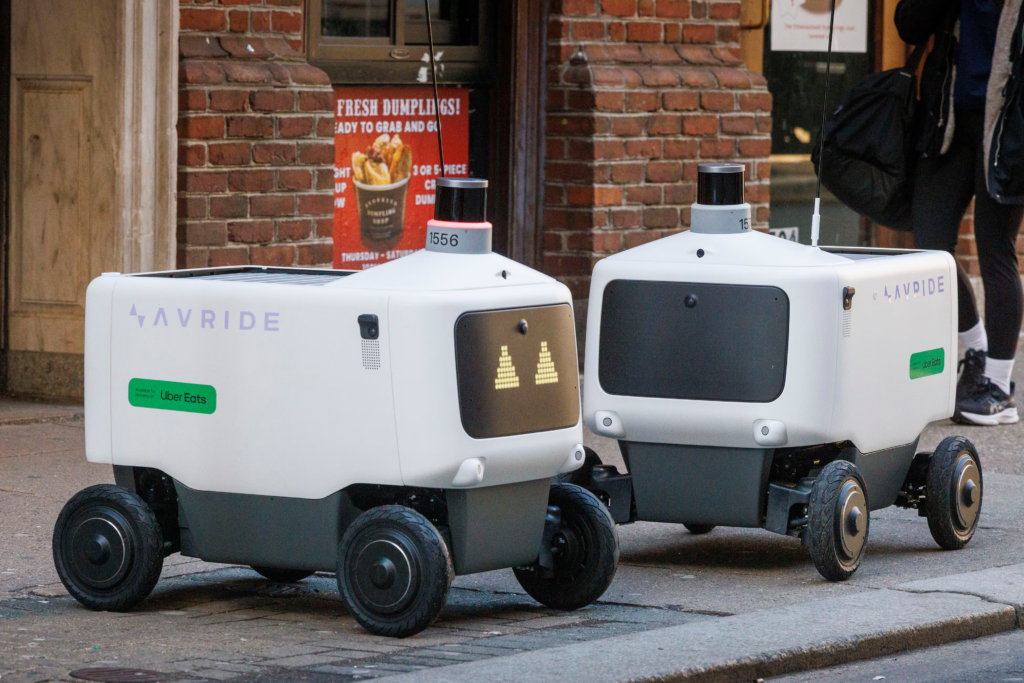
In practice, these interactions are usually brief. The company notes that people tend to satisfy their curiosity quickly and then move on, allowing the robot to continue its delivery. The ability of the robots to remain stable and functional even after being disturbed is a testament to their durability and design resilience. In the recent incident, the robot appeared unfazed despite being knocked over, suggesting that it was built to withstand minor physical disruptions.
However, repeated interference could pose longer-term challenges. While the robots are designed to handle occasional disruptions, frequent incidents may affect efficiency and reliability. This raises questions about how to balance accessibility with protection, especially in high-traffic areas where interactions are more likely.
The deployment of such robots also involves continuous monitoring and adjustment. Companies gather data from real-world operations to improve navigation algorithms and enhance safety features. Each incident provides valuable insights into how the robots perform in complex environments and how they can be better integrated into public spaces.
Urban Deployment Challenges and the Future of Autonomous Delivery
The rollout of delivery robots in Philadelphia represents a broader trend toward automation in urban logistics. As companies seek to improve efficiency and reduce delivery times, autonomous systems are becoming an increasingly attractive solution. However, the transition is not without obstacles, particularly in densely populated cities where human behavior can be unpredictable.
Read : YouTuber Cenzo Eats Chicken Inside ISKCON’s Govinda Restaurant in London
One of the key challenges is establishing a coexistence between pedestrians and robots. Sidewalks, traditionally designed for human use, must now accommodate machines that operate independently. This requires not only technological adaptation but also a shift in public perception and behavior. Incidents like the one in Center City highlight the friction that can arise during this transition period.
Regulatory considerations also play a role. Cities must determine how to manage the presence of delivery robots, including setting guidelines for their operation and addressing concerns related to safety and accessibility. Ensuring that these machines do not obstruct pathways or pose risks to vulnerable individuals, such as the elderly or disabled, is essential for widespread acceptance.
Despite these challenges, the potential benefits of autonomous delivery are significant. Robots can operate continuously, reduce reliance on human labor for routine tasks, and potentially lower delivery costs. They also offer an environmentally friendly alternative by using electric power and minimizing emissions associated with traditional delivery vehicles.
The incidents in Philadelphia can be seen as part of an adjustment phase. As more people encounter these robots in their daily lives, familiarity is likely to increase, and disruptive behavior may decrease. Over time, social norms will develop, shaping how individuals interact with autonomous systems in public spaces.
For companies, the focus will remain on refining technology and improving resilience. Enhancements in design, such as better stability, stronger materials, and more advanced sensors, will help mitigate the impact of physical interference. At the same time, public education initiatives may play a role in encouraging respectful and appropriate interactions.
The events in Center City serve as a reminder that technological innovation often comes with a period of adaptation. While the sight of a delivery robot being kicked and toppled may raise concerns, it also reflects the early stages of integrating new systems into complex human environments. As both technology and public awareness evolve, such incidents are likely to become less frequent, paving the way for a more seamless coexistence between humans and machines in the urban landscape.