
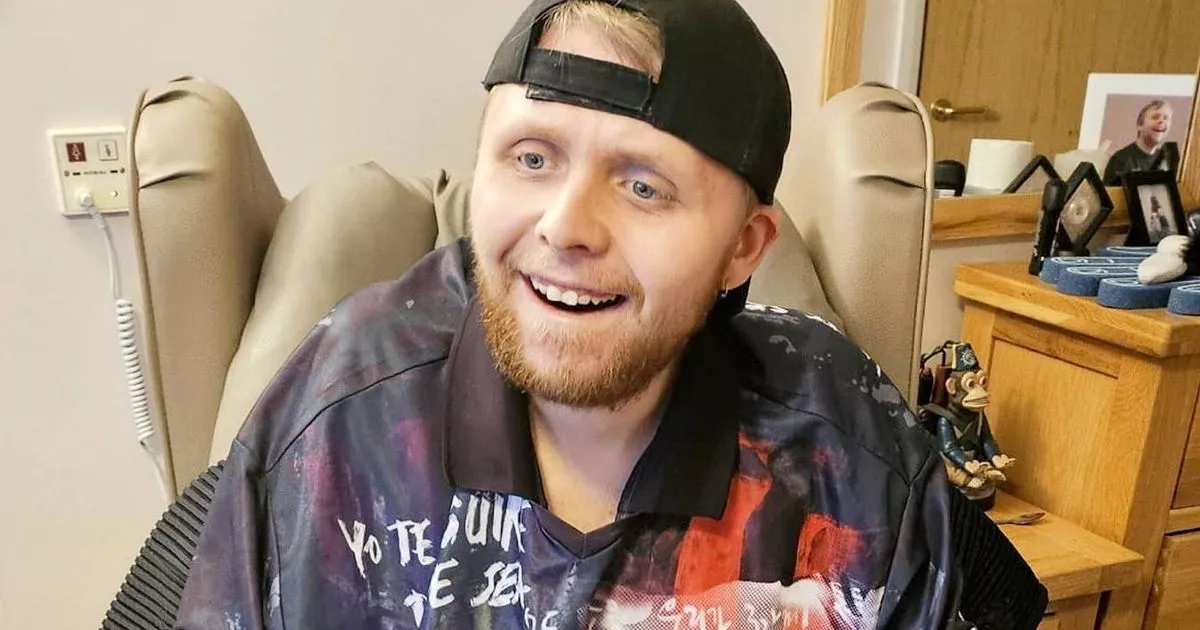
Andre Yarham’s death at the age of 24 has drawn national attention to a devastating and little-understood reality: dementia is not a disease confined to old age. Living in Dereham, Norfolk, Andre was believed to be the youngest person in the UK diagnosed with dementia, a distinction that underscores both the rarity and the cruelty of his condition.
Diagnosed at just 22 with frontotemporal dementia, a rare neurodegenerative disorder, his illness progressed with shocking speed, ultimately claiming his life only two years later. In a final act of purpose, Andre chose to donate his brain to science, hoping that his suffering might help researchers better understand the disease and spare future families from similar pain. His story has become a stark reminder of how indiscriminately dementia can strike, and how limited current medical options remain.
A diagnosis that shattered expectations
Andre Yarham’s symptoms first became noticeable in late 2022, when his mother, Samantha Fairbairn, began to observe changes in his memory and behaviour that felt deeply out of character. Forgetfulness, inappropriate actions, and subtle personality shifts raised concerns that something was seriously wrong. At an age when most people are building careers, friendships, and long-term plans, Andre was facing neurological changes more commonly associated with old age.
Medical examinations soon confirmed that these changes were not temporary or stress-related. Brain scans revealed unusual and significant shrinkage, prompting a referral to Addenbrooke’s Hospital in Cambridge, a leading centre for neurological research and treatment. There, doctors diagnosed Andre with frontotemporal dementia, a rare form of dementia caused by abnormal protein accumulation in the brain. What made his case particularly alarming was the extent of damage already present.
Scans reportedly showed that his brain resembled that of a 70-year-old, both in appearance and functional decline. Frontotemporal dementia differs from more widely recognised forms such as Alzheimer’s disease. Rather than primarily affecting memory in its early stages, FTD often begins with changes in personality, judgement, and behaviour. Patients may act impulsively, struggle with empathy, or lose social awareness. In younger individuals, these symptoms can be easily misinterpreted or overlooked, sometimes delaying diagnosis.
Read : Man’s Body Frozen at -196°C in Hope of Future Revival in Australia
In Andre’s case, however, the progression was swift and unrelenting. For his family, the diagnosis was emotionally devastating. Samantha Fairbairn described experiencing a mix of anger and deep sadness, particularly knowing that her son was facing an incurable condition so early in life. She also emphasised how the case challenged public assumptions about dementia, stressing that the disease “doesn’t discriminate against age.” Andre’s youth made his illness all the more confronting, both for his loved ones and for clinicians accustomed to seeing dementia in much older patients.
Living with frontotemporal dementia in early adulthood
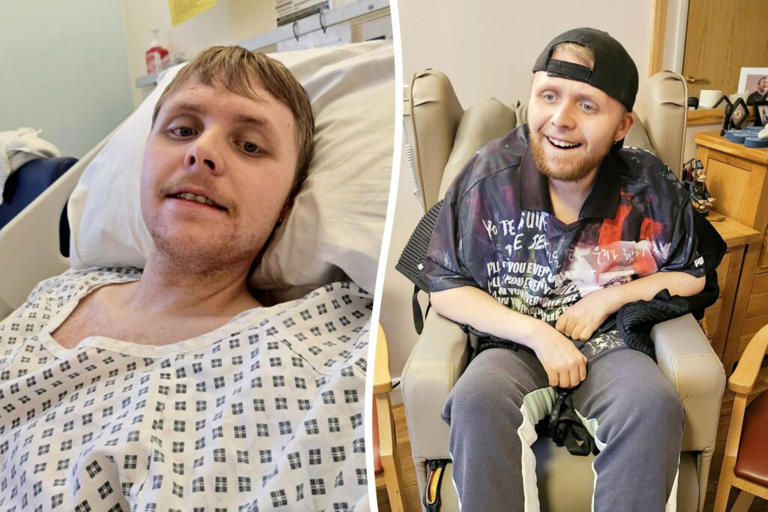
As Andre’s condition progressed, everyday life became increasingly difficult. By September of the following year, his care needs had grown beyond what his family could manage at home, leading to his move into a care facility. Within just over a month, he required a wheelchair, reflecting the rapid neurological and physical decline associated with advanced FTD. The disease did not merely affect his cognition and behaviour; it gradually compromised his ability to move, speak, and function independently.
Read : French Anaesthetist Frédéric Péchier Sentenced to Life in Prison for Poisoning 30 Patients
In the final months of his life, Andre lost his speech entirely, communicating only through sounds. Despite these profound losses, his mother has spoken movingly about what the disease did not take from him. Until the very end, she said, Andre retained his personality, sense of humour, laughter, and smile. These moments of recognition and emotional connection became precious reminders of who he was beyond the illness.
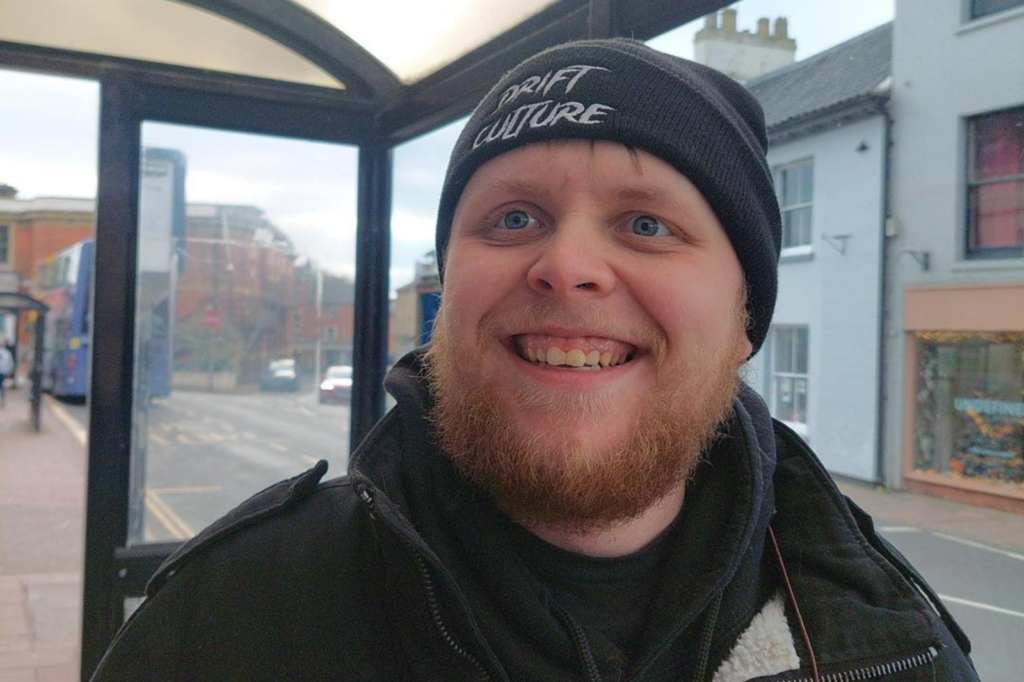
Frontotemporal dementia is particularly cruel in this respect. While patients may lose language, impulse control, and motor abilities, elements of emotional responsiveness can persist, creating a painful contrast between the person’s inner self and their outward limitations. For families, this can make the grieving process complex, as they witness the gradual erosion of abilities while still recognising the person they love.
Andre’s rapid decline also highlights the broader challenges faced by families caring for young dementia patients. Support systems, care homes, and medical services are often designed with older patients in mind, leaving younger individuals and their families navigating environments that may not fully meet their emotional or social needs. Andre’s experience underscores the need for greater awareness, tailored support, and research into early-onset and rare forms of dementia.
He died on 27 December in hospital, following complications related to his condition and an infection. He was just 24 years old. His death marked not only the end of a short and painful journey but also the beginning of a different kind of legacy, one rooted in scientific contribution rather than personal milestones.
A legacy of research, awareness, and unanswered questions
In a decision made before his death, Andre chose to donate his brain to medical research at Addenbrooke’s Hospital. For his family, this choice represented hope amid tragedy. Samantha Fairbairn has said that if Andre’s donation helps even one family gain a few more years with their loved one, it would make his suffering meaningful. The gesture reflects a broader desire to transform personal loss into collective progress.
Read : UCSF Social Worker Alberto Rangel Stabbed to Death at Zuckerberg San Francisco General Hospital
Brain donation plays a critical role in advancing understanding of neurodegenerative diseases, particularly rare conditions like frontotemporal dementia. Studying donated brain tissue allows researchers to examine protein mutations, patterns of degeneration, and structural changes that cannot be fully understood through scans alone. In cases as rare and extreme as Andre’s, such donations are especially valuable, offering insights into why the disease can appear so early and progress so aggressively.
Despite decades of research, dementia remains largely incurable. Treatments focus primarily on symptom management rather than halting or reversing disease progression. This reality has been a source of frustration for many families affected by dementia. Samantha Fairbairn has openly contrasted the lack of options for dementia patients with the progress seen in cancer treatment, where therapies can lead to remission and extended quality of life. In dementia, she noted, there is often little to offer beyond supportive care.
Andre’s story has therefore become part of a larger conversation about funding, research priorities, and public awareness. While Alzheimer’s disease receives significant attention, rarer forms like frontotemporal dementia are less well known, despite their devastating impact. Increased awareness may lead to earlier diagnosis, better support structures, and greater investment in targeted research.
His case also raises unanswered scientific questions. Why did frontotemporal dementia develop so early in his life? What genetic or molecular factors accelerated the disease to such an extent? How can similar cases be identified sooner, and could early intervention ever alter their course? Researchers studying Andre’s donated brain may not find immediate answers, but each data point brings the scientific community closer to understanding these complex disorders.
Ultimately, Andre Yarham’s life and death have left a profound imprint far beyond his family and community. His experience challenges assumptions about age and illness, exposes the limitations of current medical knowledge, and underscores the human cost of neurodegenerative disease. Through his decision to donate his brain to science, Andre has ensured that his story continues, not as a statistic, but as a contribution to the search for understanding and, one day, hope for those who may face similar diagnoses.