
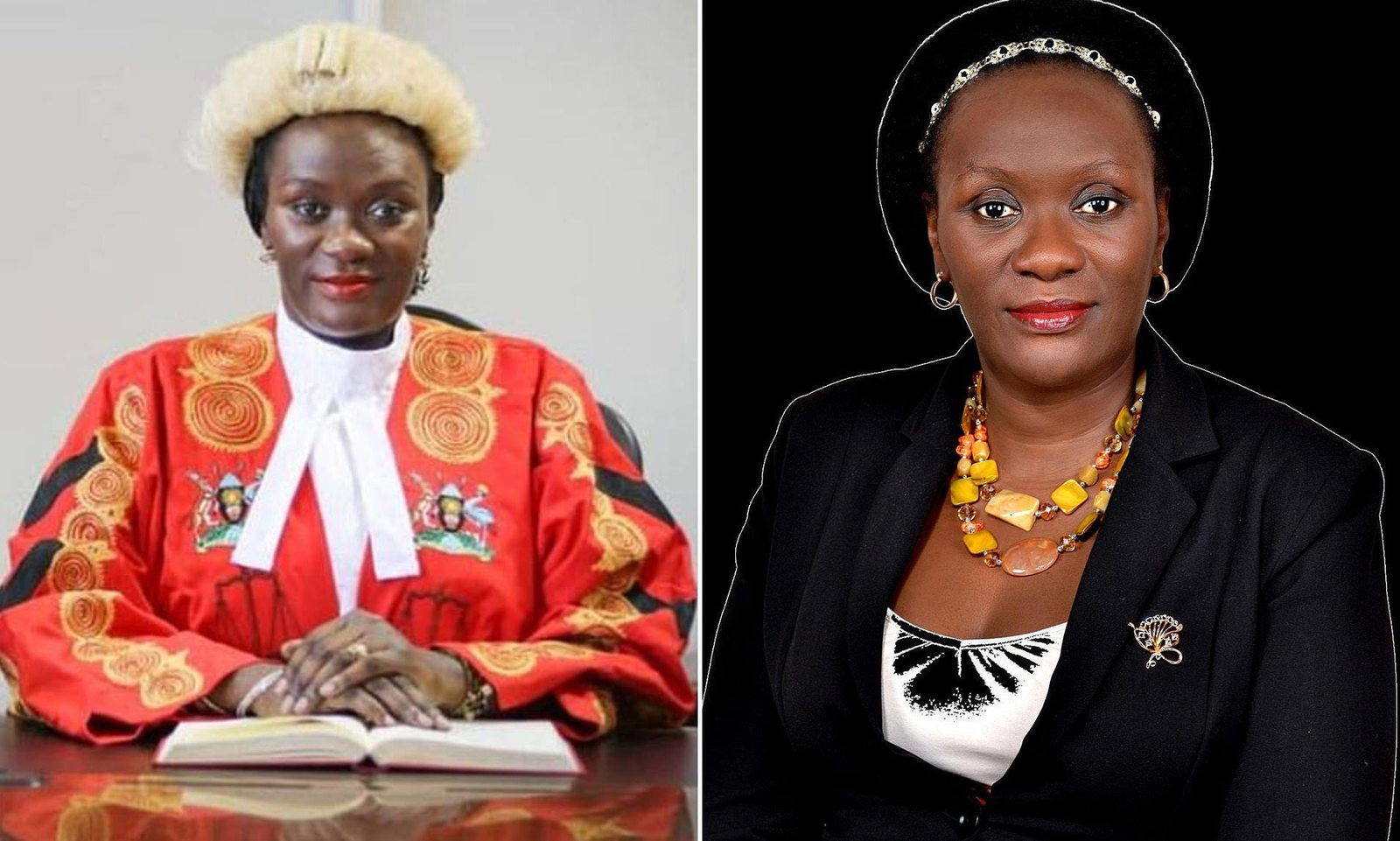
In a shocking and deeply troubling case, Lydia Mugambe, a high-ranking Ugandan judge and a United Nations (UN) judicial official, has been sentenced to six years and four months in prison for exploiting a young woman in the United Kingdom.
This case has garnered widespread attention due to Mugambe’s high profile as both a legal expert and a UN judge. It also highlights the darker side of power imbalances, human trafficking, and exploitation. The case paints a disturbing picture of how an individual, entrusted with upholding justice, became the perpetrator of grave injustice.
The Disturbing Story of Exploitation
Lydia Mugambe, 50, was found guilty in March 2025 after a trial that exposed her manipulation and abuse of a young Ugandan woman who had come to the UK seeking a better life. The young woman, who has not been named for legal reasons, was subjected to severe mistreatment.
Lydia Mugambe used her position of authority to coerce and control the victim, forcing her to work as a maid and provide childcare in what prosecutors have described as the most egregious form of exploitation. Mugambe’s actions were not only an abuse of power but also a clear violation of both human rights and UK immigration laws.
She had taken advantage of the victim’s lack of knowledge about her legal rights and misled her about the purpose of her arrival in the UK. The victim was not given the opportunity to work freely and was trapped in an abusive environment where she lived in constant fear.
Mugambe’s manipulation included restricting the victim’s ability to hold a stable job, effectively holding her in a form of slavery. The victim’s testimony was harrowing. She described her life under Mugambe’s control as one of “almost constant fear.”
Read : Judge Hannah Dugan Arrested for Obstruction and Concealing the Individual from Arrest
Her circumstances were made even more dire by the powerful standing that Mugambe held in Uganda, which the victim feared would have serious repercussions if she returned to her home country. The young woman had sought asylum in the UK, fearing persecution in Uganda, which made her plight all the more complex and devastating.
Read : Who is Crypto King Jailed for 25 Years After Stealing Billions of Dollars from FTX Customers
In addition to her role in the exploitation, Lydia Mugambe was also found guilty of conspiring to facilitate a breach of UK immigration law. This included facilitating the victim’s travel under false pretenses, with the intention of exploiting her once she arrived in the UK. The combination of these serious offenses underscored the gravity of Mugambe’s betrayal of both her legal duties and the trust placed in her.
Legal Careers and Hypocrisy: A High-Profile Case
Lydia Mugambe’s case is made all the more tragic because of her standing in the legal world. She was not just any judge; she was a well-respected member of the Ugandan judiciary and had a prominent career on the global stage as a UN judge.
Her appointment to the UN judicial roster in May 2023 came just months before her arrest in Oxfordshire. This appointment, which was meant to represent her dedication to international law and justice, now stands as an uncomfortable reminder of her hypocrisy.
The case also casts a shadow over Lydia Mugambe’s work as a legal expert, particularly in the realm of human rights. As a member of the UN roster, she was expected to uphold the highest standards of justice and human dignity. Instead, her actions contradict everything that she stood for in her professional career.
The irony is not lost on the legal community and the wider public: a judge who had once been entrusted with the task of promoting justice and protecting human rights was now herself a criminal, engaged in some of the most heinous acts of exploitation.
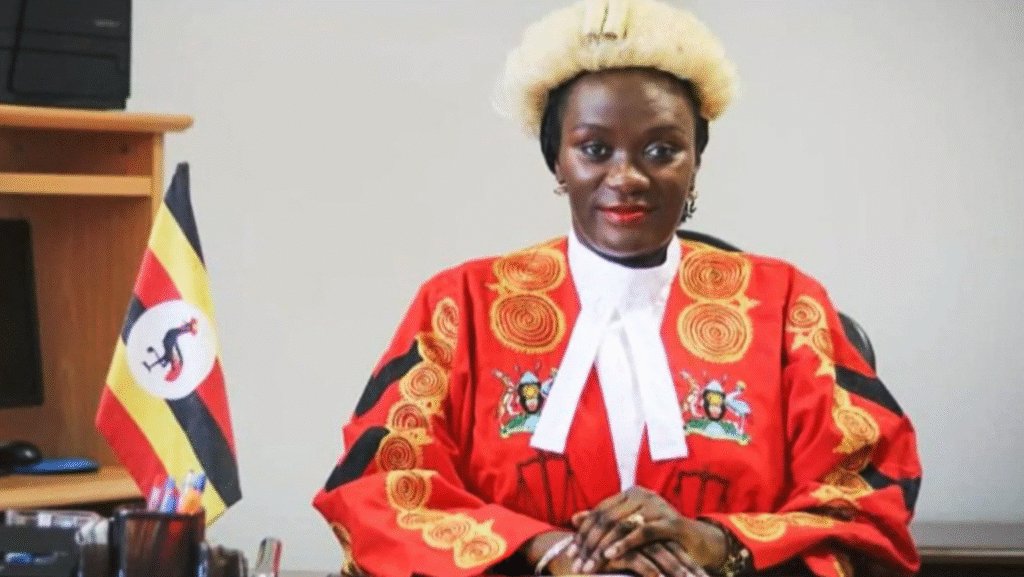
Mugambe’s sentencing highlights the moral and ethical failures of individuals who hold power but use it to exploit vulnerable people. It underscores the importance of safeguarding those who seek refuge and the need for transparency and accountability in international bodies such as the United Nations.
The legal world now faces the uncomfortable task of grappling with the repercussions of Mugambe’s actions and the deep damage done to the integrity of the judicial system, both in Uganda and internationally.
Despite the shock surrounding the case, Mugambe’s defense argued that her legal career should be taken into account during sentencing. Her lawyer, Paul Raudnitz KC, highlighted her “glittering legal career” and pointed to the support she had received from various quarters since her conviction.
Raudnitz also stated that Mugambe had resigned from her position as a UN judge following the conviction. Nevertheless, the court proceedings and sentencing clearly indicated that the severity of her crimes overshadowed her past achievements.
The Court’s Verdict: A Life Ruined by Abuse of Power
The sentencing hearing at Oxford Crown Court, presided over by Judge Foxton, was a pivotal moment in this case. In his ruling, Judge Foxton expressed his sorrow over the case, describing it as “very sad.”
He also noted that despite Mugambe’s considerable legal accomplishments, her conduct had been utterly reprehensible. The judge highlighted the complete lack of remorse demonstrated by Mugambe, who instead attempted to shift blame onto the victim.
The victim’s impact statement, read out in court by prosecutor Caroline Haughey KC, was a poignant and powerful testament to the suffering that Lydia Mugambe had caused. The victim spoke of her fear of returning to Uganda, where she believed her life could be at risk due to Mugambe’s influence.
For many who had followed the case, the victim’s statement reinforced the reality of the psychological and emotional damage inflicted upon her, which would likely take years to overcome, if recovery were even possible.
Judge Foxton’s decision to impose a restraining order, barring Mugambe from any form of direct or indirect contact with the victim, reflected the severity of the situation. The fact that Mugambe had not shown remorse further emphasized the need to protect the victim from any further harm.
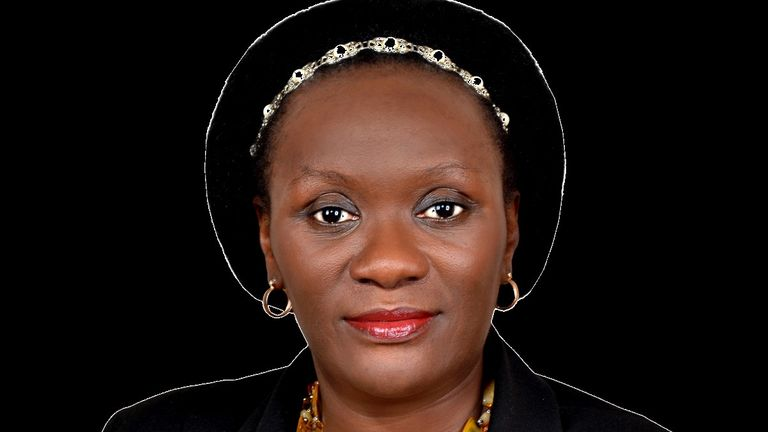
This case has sent a strong message about the abuse of power, particularly by individuals in positions of authority. Mugambe’s actions are a reminder that even those who are supposed to be the protectors of justice can fall prey to the corrupting influence of power. It also highlights the importance of vigilance in protecting the vulnerable, especially in a globalized world where individuals from different countries may find themselves exploited by those they trust the most.
The case of Lydia Mugambe is one of betrayal, abuse, and the exploitation of power. A high-profile judge in both Uganda and the United Nations, Mugambe’s conviction has stunned the international community, revealing a stark contrast between her public persona and her private conduct.
Her victim, a young woman from Uganda, endured horrific exploitation, held captive by a system that allowed an abuser to thrive unchecked. The impact on the victim’s life is immeasurable, and the case serves as a painful reminder of the need for robust legal safeguards to prevent similar abuses.
As Mugambe begins her prison sentence, the case continues to serve as an example of how power and authority, when misused, can have devastating consequences for individuals who are already vulnerable.
It is a tragedy that this exploitation occurred under the guise of a respected legal career, but it is also a crucial moment for reflection on the systems that should be in place to ensure that such abuses are not overlooked or tolerated.
The legacy of this case should not only be about punishing the individual responsible but also about reinforcing the importance of human dignity, the protection of workers’ rights, and the need for greater accountability within global organizations.
As the world continues to grapple with issues of human rights and justice, it is vital to remember that true justice can only be achieved when those in positions of power are held to the highest ethical standards, no matter their past achievements.