
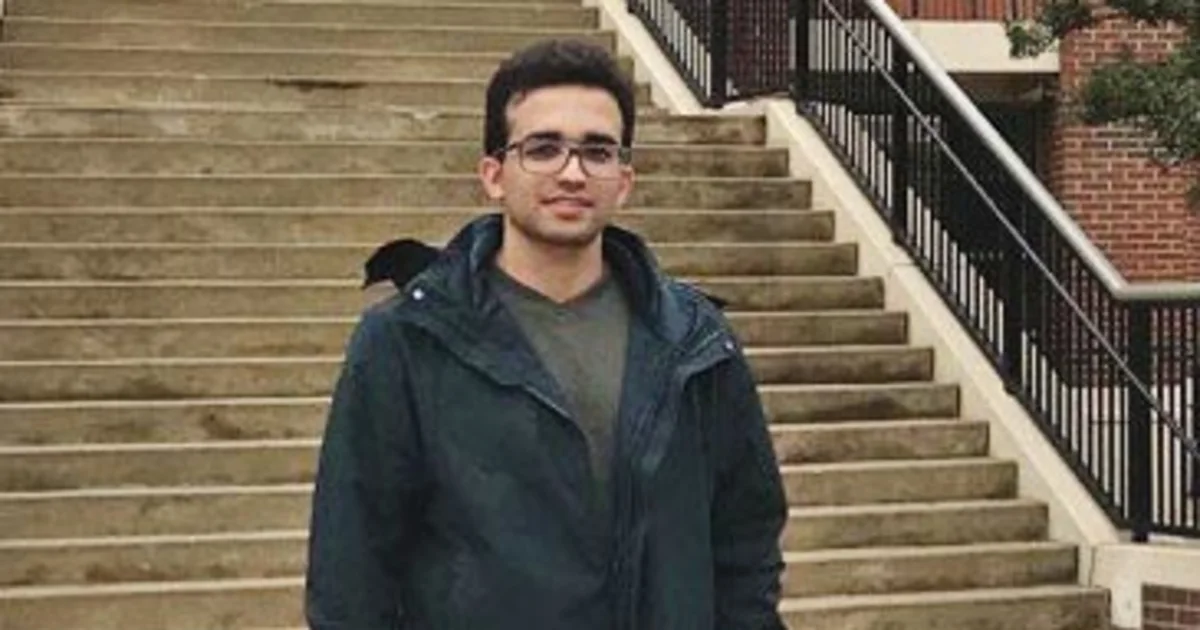
The recent arrest of University of Alabama student Alireza Doroudi by Immigration and Customs Enforcement (ICE) has raised concerns about the treatment of international students in the United States.
Doroudi, an Iranian national studying mechanical engineering, was taken into custody early Tuesday morning, marking another instance of heightened scrutiny towards foreign students under the administration’s immigration policies.
Background of Alireza Doroudi’s Arrest
Alireza Doroudi, a PhD candidate specializing in metallurgical engineering, was reportedly arrested at his residence at approximately 5 a.m. The Crimson White, the student newspaper of the University of Alabama, first reported the incident, highlighting the abrupt nature of the arrest. ICE agents executed the arrest following the revocation of Doroudi’s student visa by the U.S. State Department.
According to the Department of Homeland Security (DHS), Doroudi’s arrest was justified on national security grounds. However, specific details regarding the nature of these security concerns have not been publicly disclosed.
As of Thursday, he remains in ICE custody, though his exact location has not been made clear by authorities. Reports indicate he is currently being held at Pickens County Jail while awaiting transfer to an ICE detention facility.
Read : Pikachu Spotted Running Away From Police During Protests Against Arrest of Istanbul Mayor: Watch
University officials issued a statement acknowledging the detention of a doctoral student by federal immigration authorities but refrained from disclosing further information, citing federal privacy regulations. They reaffirmed their commitment to international students, stating that they are valued members of the university community.
Concerns and Political Implications
Doroudi entered the United States legally on an F-1 student visa, which was revoked six months after his arrival. While the specific reason for the revocation remains unclear, his case aligns with a growing pattern of international students facing immigration-related challenges.
The National Iranian American Council (NIAC) expressed deep concern over Doroudi’s detention, calling on ICE to disclose his whereabouts and clarify whether he has been charged with any crime. NIAC also demanded his immediate release if no charges exist, criticizing the administration’s apparent crackdown on foreign students.
The arrest follows a series of detentions targeting international students, particularly those involved in campus activism. Several doctoral candidates and graduate students at various universities, including lawful permanent residents, have faced arrests and threats of deportation after expressing pro-Palestinian sentiments or criticizing Israel’s military actions in Gaza.
Read : Exploring the Refreshing Delight of Ice Apple: Nature’s Cool Gift
Some speculate that Doroudi’s case may be politically motivated, though no direct evidence has surfaced linking him to activism. U.S. Secretary of State Marco Rubio has defended these actions, stating that student visas are intended for academic purposes, not political activism.
He cited recent cases where international students were arrested following their participation in campus protests, arguing that such actions disrupt university environments. However, civil rights organizations and academic communities have decried these policies as unjust and discriminatory.
Impact on International Students and Higher Education
The arrest of Alireza Doroudi has sent shockwaves through the University of Alabama’s international student community. Many fear that the increased scrutiny on student visas could create an environment of uncertainty and fear among foreign scholars.
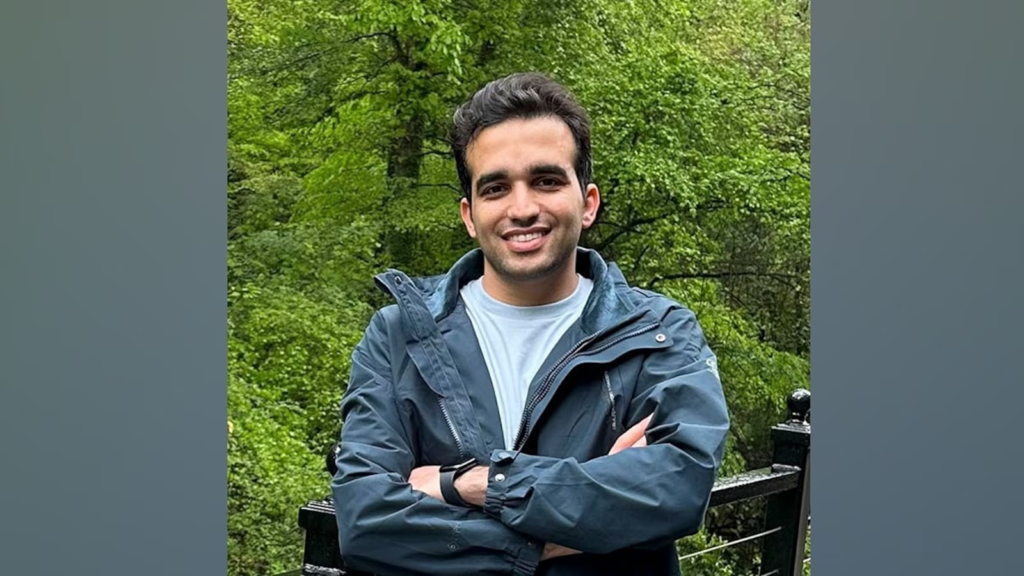
University of Alabama College Democrats condemned the arrest, calling it an attack on the university’s global academic community. They emphasized that ICE has not provided a clear justification for Doroudi’s detention, leaving many to wonder whether political motivations played a role.
Legal experts have pointed out that visa revocations without due process undermine the credibility of U.S. institutions as destinations for international education.
Many universities depend on foreign students for research contributions and funding, and aggressive immigration enforcement could deter top talent from seeking higher education in the United States. The arrest also raises broader concerns about academic freedom and the potential criminalization of student activism.
As Doroudi’s case unfolds, advocacy groups and university officials continue to demand transparency and due process. His arrest highlights the growing tension between immigration enforcement and higher education, a conflict that could shape U.S. policies on international students for years to come.