

The United States has intensified its military operations in Yemen, launching a series of targeted airstrikes on key Houthi positions, including Hodeidah International Airport. The attacks come amid growing tensions in the Red Sea region as the US seeks to curtail Houthi aggression against commercial shipping and allied interests.
Hodeidah International Airport became a focal point of US military action as three airstrikes targeted missile and drone storage facilities, according to the official Saba news agency.
Airstrikes on Hodeidah International Airport
These strikes were part of a broader campaign aimed at dismantling Houthi military capabilities in strategic locations. In addition to Hodeidah, the northern province of Saada saw bombings in the Sahar and Kitaf districts, while Marib province experienced five airstrikes.
The United States has confirmed that the ongoing operations have successfully eliminated key Houthi figures, including a senior missile specialist, as revealed by White House National Security Adviser Mike Waltz.
However, the exact identity of the slain leader and additional casualties remain undisclosed. The strikes were reportedly carried out in response to Houthi threats against Red Sea shipping routes, exacerbated by the ongoing Israel-Gaza conflict.
Read : Woman Drowned Dog in Airport Restroom After Being Told She Couldn’t Take Pet on Plane
Reports from Saudi media outlets, including Al Arabiya and Al Hadath, suggested that Mansour al-Saadi, the commander of the Houthi naval forces, sustained injuries during a raid on the Al-Kathib naval base.
🇾🇪🇺🇸 BREAKING: US BOMBING of YEMEN, moments ago. pic.twitter.com/4NFkStYprh
— MEHMET VEFA DAG (@AFRICANDEMOC) March 23, 2025
The escalating conflict has further strained relations between Washington and Tehran, with Iran being accused of backing the Houthis with weapons and intelligence.
US Military Strategy and Deployment in West Asia
In a significant move to bolster its military presence in the region, the United States has deployed additional naval forces to West Asia. Defense Secretary Pete Hegseth ordered the USS Harry S. Truman carrier strike group to extend its deployment in the Red Sea, reinforcing US military readiness.
Furthermore, the USS Carl Vinson and its accompanying destroyers are set to arrive as reinforcements in the coming weeks, according to US defense officials.
Former US President Donald Trump has played a pivotal role in the recent escalation, issuing a stern warning against continued Houthi attacks. On March 15, Trump publicly declared a decisive military campaign to “annihilate” Houthi capabilities.
Subsequent strikes targeted key Houthi strongholds, including the capital city Sanaa and the provinces of Saada and Al-Jawf. “They will be completely annihilated!” Trump declared, emphasizing the military’s superior capabilities.
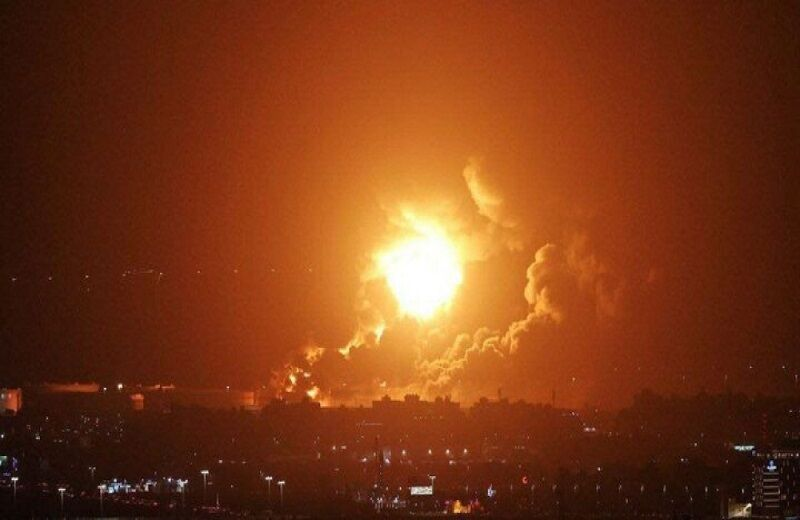
Since the campaign’s commencement, over 30 strategic locations, including Houthi headquarters, training camps, weapons factories, and drone production sites, have been bombed. These targeted strikes have significantly weakened Houthi offensive capabilities, though the group remains defiant in its resistance.
Civilian Impact and Future Implications
Despite the precision-targeted nature of the strikes, the conflict has resulted in civilian casualties. The Houthi-controlled health ministry reported that US airstrikes on Sanaa left seven women and two children injured. Additional attacks on Al-Jawf, Hodeidah, and Saada have also reportedly affected civilians.
The Pentagon has defended its operations, asserting that they are aimed at restoring freedom of navigation in the Red Sea and neutralizing threats to global trade routes. Air Force Lt. Gen. Alexus Grynkewich detailed the campaign in a March 21 briefing, highlighting that over 30 locations had been targeted, including weapons storage facilities and training sites.
In response to the attacks, the Houthis have vowed to continue their assaults on American and Israeli interests until the Gaza conflict is resolved. The group had briefly paused its operations following a ceasefire agreement between Israel and Hamas in January, but hostilities have since resumed, further disrupting international trade routes in the Red Sea.
As the situation unfolds, the US remains committed to countering Houthi aggression, ensuring maritime security, and preventing further destabilization of the region.
However, with both sides entrenched in their positions, the conflict in Yemen continues to pose significant geopolitical challenges, drawing global attention to the fragile security landscape in the Middle East.