

The recent opening of a US Missile Base in Poland has heightened tensions between Russia and NATO, marking a significant development in the ongoing geopolitical struggle between the West and Moscow.
Russia’s declaration that the base is a “priority target” for potential destruction underscores the fragile state of global security and the high-stakes nature of military positioning in Eastern Europe.
The base, part of NATO’s broader missile shield known as “Aegis Ashore,” has sparked fresh threats from the Kremlin, with Russian officials warning of potential retaliation using advanced weaponry.
As this confrontation unfolds, it raises critical questions about strategic stability, military deterrence, and the future of European security.
The Strategic Importance of the Polish Base
The US missile defense base in northern Poland, located in Redzikowo, is a key component of NATO’s missile defense architecture. This facility, part of the “Aegis Ashore” system, is designed to intercept short to intermediate-range ballistic missiles, providing a crucial layer of defense against potential attacks.
Along with similar sites in Romania and U.S. Navy destroyers stationed in Spain, the Polish base represents a significant investment in regional security, aimed at deterring aggression and protecting NATO allies from missile threats.
For Poland, the base symbolizes a crucial defense mechanism in a region where historical tensions with Russia remain deeply rooted. As a frontline NATO member, Poland has consistently advocated for stronger defensive measures to counter potential threats from its eastern neighbor.
The base’s construction and operation are seen as vital steps in bolstering Poland’s security and, by extension, the security of the entire NATO alliance.
Read : Poland: The Captivating Land of Castles and Cuisines
However, Moscow views this development through a different lens. Russian officials, including Foreign Ministry spokesperson Maria Zakharova, have framed the base as a provocative and destabilizing act. According to Zakharova, the presence of such a facility near Russian borders undermines strategic stability and increases the risk of nuclear escalation.
Read : Poland to Be Able to Shoot Down Russian Missiles Over Ukraine Skies After Security Agreement
By labeling the Polish base as a “priority target,” Russia signals its readiness to confront what it perceives as an existential threat, thereby raising the stakes in an already volatile region.
Russia’s Response: Threats and Strategic Implications
Russia’s response to the new US base in Poland is part of a broader pattern of rhetoric and military posturing aimed at deterring Western encroachment.
By explicitly stating that the base is on a list of targets for potential destruction, Russia sends a clear message: any perceived threat to its security will be met with force. This warning is not merely symbolic; it reflects a calculated strategy to maintain a balance of power and deter further NATO expansion.
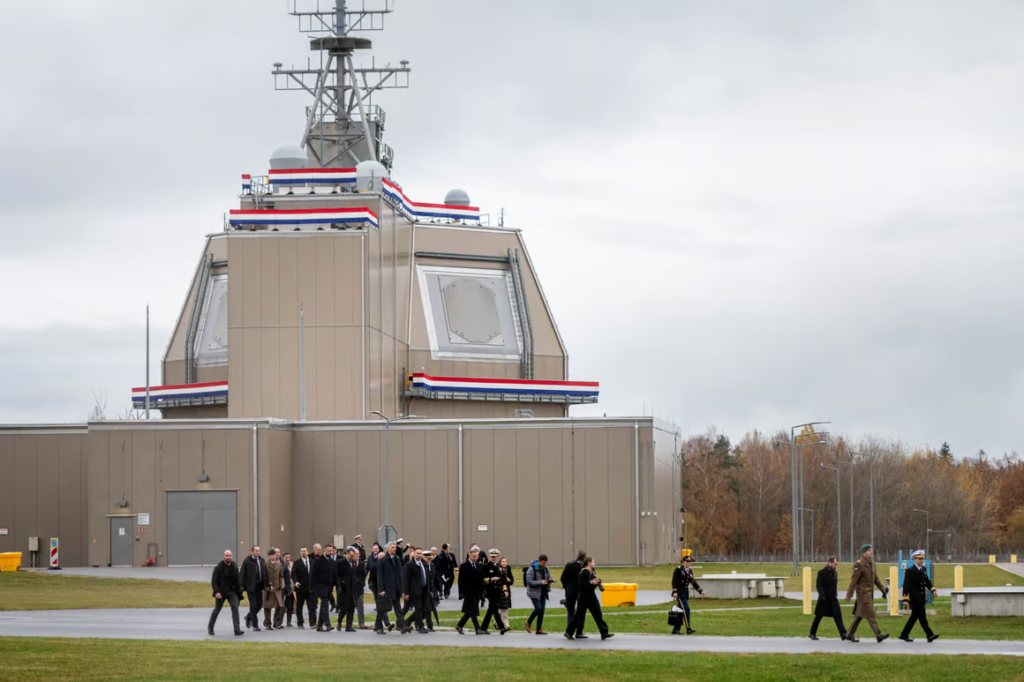
The timing of Russia’s threat is also significant. It follows reports that the US has authorized Ukraine to use long-range missiles to strike targets deep inside Russian territory—a move that marks a notable escalation in the ongoing conflict.
In response, Russia has adjusted its nuclear doctrine, stating that any aggression against Russia by a non-nuclear state, supported by a nuclear-armed ally, will be considered a joint attack. This shift underscores the Kremlin’s willingness to redefine the rules of engagement, blurring the lines between conventional and nuclear warfare.
The inclusion of the Polish base on Russia’s target list also serves a domestic purpose. By highlighting external threats, the Russian government seeks to rally public support and justify its military actions.
The narrative of encirclement by hostile forces has long been a cornerstone of Russian foreign policy, and the new base in Poland provides a convenient focal point for this narrative. It allows the Kremlin to frame its actions as defensive, reinforcing the perception that Russia is under siege.
The Broader Impact on NATO and European Security
Poland’s response to Russia’s threats has been resolute. Polish officials, including Foreign Ministry spokesperson Pawel Wronski, have emphasized that the base is purely defensive and does not host nuclear missiles.
Wronski’s assertion that such threats will only strengthen Poland’s resolve reflects a broader sentiment within NATO: the alliance is prepared to stand firm in the face of Russian intimidation.
For NATO, the Polish base is part of a larger strategy to deter aggression and reassure member states, particularly those in Eastern Europe. The alliance’s missile defense system is designed not only to protect against missile attacks but also to signal collective resolve.
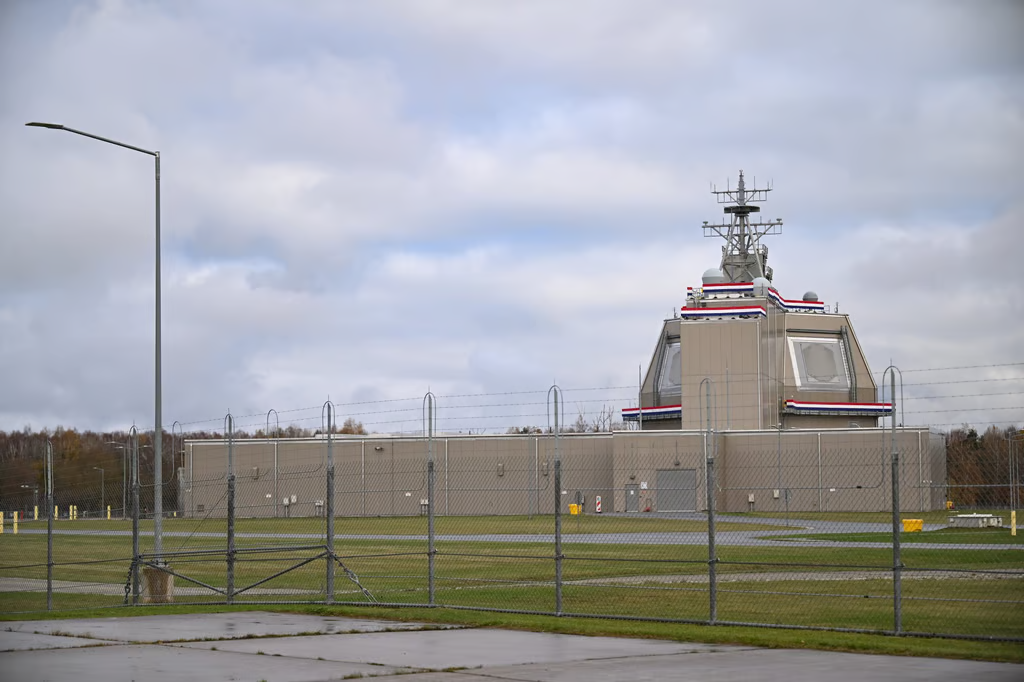
By establishing bases in Poland and Romania, NATO demonstrates its commitment to defending its eastern flank, sending a clear message to Russia that any aggression will be met with a unified response.
However, the situation also highlights the inherent risks of such a strategy. The presence of advanced military infrastructure near Russian borders increases the likelihood of miscalculations and unintended escalations.
The more NATO expands its defensive capabilities, the more Russia perceives a threat, leading to a cycle of action and reaction that could spiral out of control.
This dynamic raises critical questions about the future of European security: How can NATO balance deterrence with de-escalation? What steps can be taken to reduce the risk of conflict while maintaining a credible defense posture?
The answer lies in a combination of diplomacy and military preparedness. While NATO must continue to strengthen its defenses, it also needs to engage in dialogue with Russia to address mutual security concerns.
Confidence-building measures, arms control agreements, and clear communication channels are essential to preventing misunderstandings and reducing tensions. The current situation underscores the need for a balanced approach—one that combines strength with restraint, deterrence with diplomacy.
The addition of the US missile base in Poland to Russia’s list of priority targets marks a new chapter in the ongoing geopolitical struggle between NATO and Moscow. This development reflects the high-stakes nature of military positioning in Eastern Europe, where historical tensions and contemporary conflicts intersect.
For Poland and NATO, the base represents a vital defense mechanism, a symbol of collective security in the face of external threats. For Russia, it is a provocative act that undermines strategic stability and increases the risk of nuclear escalation.
As this confrontation unfolds, it serves as a stark reminder of the delicate balance of power that defines international relations. The path forward is fraught with challenges, but it also offers opportunities for dialogue and cooperation.
By recognizing the shared interests of all parties—peace, stability, and security—we can work toward a future where such threats are no longer necessary. The world stands at a crossroads, and the choices we make today will shape the course of history for generations to come.