
The Red Sea corridor has become an increasingly volatile region, with escalating military activity and rising tensions. On Sunday, a grave incident unfolded, highlighting the inherent risks in such a high-stakes environment.
In a tragic case of friendly fire, two U.S. Navy pilots were shot down while conducting operations over the Red Sea. Both survived the incident, but it has raised critical questions about the operational dynamics and challenges facing U.S. forces in the region.
A Tense Operational Theater
The Red Sea has emerged as a critical flashpoint in recent years, with the U.S. and European coalitions stepping up patrols to counter the threat posed by Yemen’s Houthi rebels.
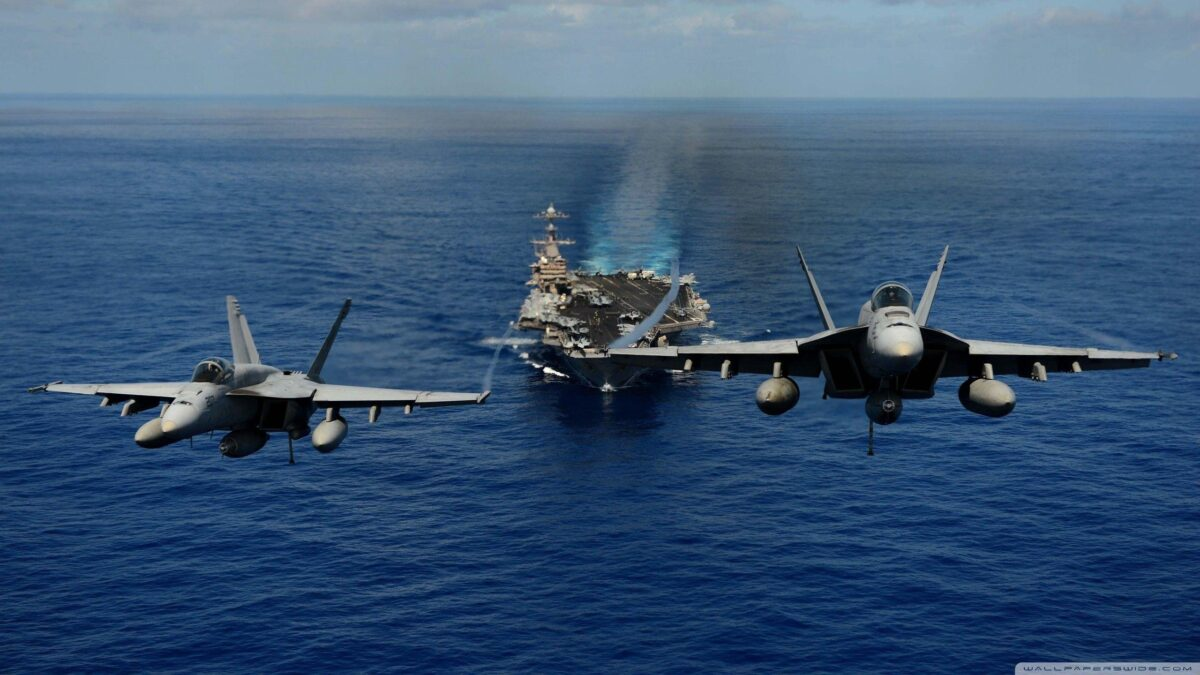
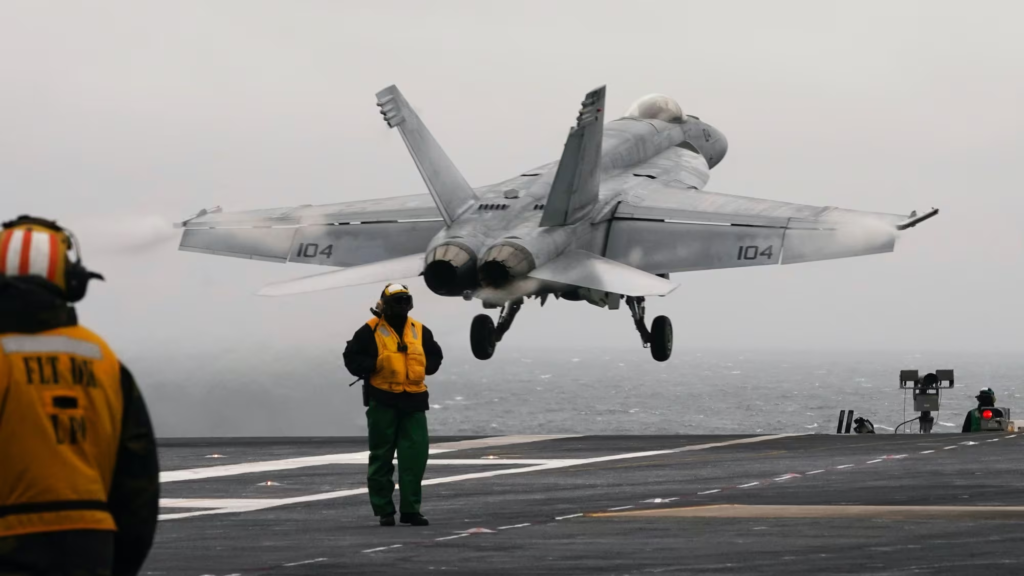
These Iranian-backed forces have increasingly targeted commercial shipping and military vessels, creating a hazardous environment for all maritime traffic. The incident on Sunday, which saw an F/A-18 Super Hornet fighter jet mistakenly targeted by the USS Gettysburg, underscores the complexities of operating in such a fraught zone.
The pilots were conducting a mission off the deck of the USS Harry S. Truman, which had recently entered the region. While Central Command has not detailed the nature of their assignment, the context suggests it was linked to ongoing airstrikes against Houthi targets in Yemen. These operations have intensified as the Houthis ramp up missile and drone attacks, heightening the risks faced by U.S. forces.
Read : African Countries Are Ousting France’s Military One by One
Despite the advanced radar and communication systems linking vessels in a battle group, the chaotic environment likely contributed to the error. According to Central Command, warships and aircraft had earlier intercepted multiple Houthi drones and missiles, leaving sailors with little time to distinguish friend from foe.
The Houthi Threat in the Red Sea
The Houthis have emerged as a formidable adversary, utilizing advanced weaponry to disrupt shipping and challenge U.S. military operations.
Since October 2023, they have targeted around 100 merchant vessels with drones and missiles, claiming these attacks are in retaliation for Israel’s military campaign in Gaza. While the rebels assert they focus on vessels linked to Israel and its allies, their strikes have hit a wide range of targets, including neutral and Iranian-bound ships.
Read : Yemen’s Houthi Group Attacks Israeli Ships with Drones and Missiles in Red Sea
The rebels’ attacks on Israeli territory have drawn a sharp response from Prime Minister Benjamin Netanyahu, who vowed to act decisively against the Houthis.
This declaration aligns with Israel’s broader strategy of countering Iran and its proxies in the region. However, the Houthis’ actions have also intensified U.S. and European efforts to secure the Red Sea corridor, leading to more aggressive patrols and airstrikes.
The recent U.S. airstrikes on Houthi positions in Sanaa and Hodeida signal a renewed focus on neutralizing the rebels’ capabilities.
Central Command described these strikes as targeting critical infrastructure, including a missile storage facility and a command-and-control center. Yet, the lack of publicly available evidence or imagery from the strikes leaves the scope of their impact open to speculation.
Friendly Fire and the Challenge of Modern Warfare
The accidental shootdown of the F/A-18 raises important questions about the challenges of modern military operations. Friendly fire incidents, while rare, are not unprecedented, and they often highlight vulnerabilities in communication and situational awareness. In this case, the high-pressure environment created by Houthi missile and drone attacks likely played a significant role.
The USS Gettysburg’s mistaken targeting of the Super Hornet is particularly concerning given the sophisticated systems designed to prevent such errors.
These include radar and radio communication links that should provide real-time identification of all assets in a battle group. That such a mistake could occur suggests a breakdown in these systems or a failure to account for the operational chaos created by incoming threats.
This incident also draws attention to the broader risks faced by U.S. forces in the region. The Truman Carrier Strike Group’s presence in the Red Sea is meant to project power and deter Houthi aggression.
However, the heightened tempo of operations and the rebels’ growing capabilities make this a perilous mission. The shootdown serves as a stark reminder of the costs and complexities of maintaining security in such a volatile theater.
As the U.S. military continues its operations against the Houthis, it must also address the systemic issues that led to this incident. Ensuring robust communication and coordination among assets is essential to preventing future tragedies.
Moreover, the challenges posed by Houthi tactics underscore the need for adaptable strategies that can counter asymmetric threats without exposing U.S. forces to undue risk.