
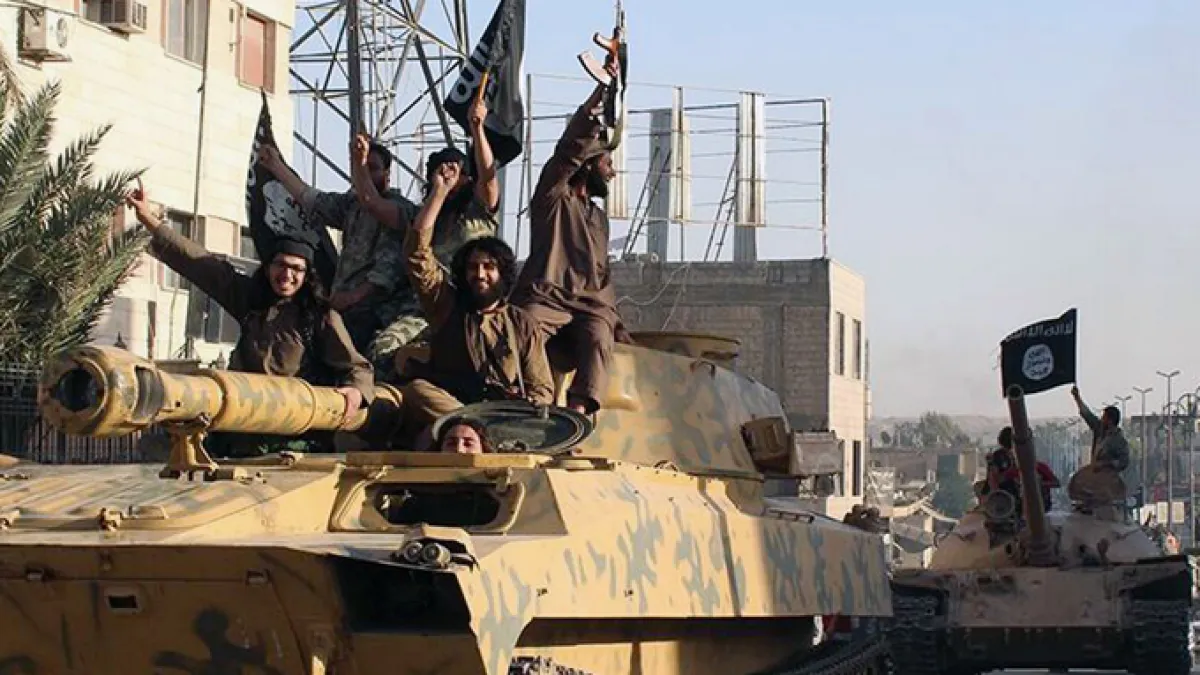
In a recent development in the fight against terrorism, the United States carried out an airstrike in northwest Syria, successfully targeting Muhammad Salah al-Za’bir, a senior operative of Hurras al-Din, an Al-Qaeda-affiliated militant group.
This action underscores the ongoing efforts of the US military to disrupt and degrade the operations of militant groups in the region. The strike highlights the complexity of counterterrorism operations in areas rife with conflict and militant activity.
Targeting a Senior Operative
Muhammad Salah al-Za’bir was a prominent figure within Hurras al-Din, a faction that has been linked to Al-Qaeda and is active in Syria. The group is known for its extremist ideology and involvement in terrorist activities, posing a significant threat to regional stability and global security.
The US Central Command emphasized that this operation is part of broader efforts to combat the influence and capabilities of such militant organizations in Syria.
The airstrike took place in northwest Syria, a region that has been a hotspot for militant activity amid the ongoing civil war. Hurras al-Din operates in this volatile environment, leveraging the chaos to strengthen its foothold.
Read : Israeli Troops to Remain Atop Syria’s Mount Hermon Indefinitely
By eliminating al-Za’bir, the US military aims to weaken the group’s leadership structure, disrupt its operational planning, and reduce its ability to carry out attacks.
Read : Syria Resumes Saudi Flights After 12 Years of Suspension
The significance of targeting individuals like al-Za’bir lies in their role within the militant hierarchy. Leaders and senior operatives often provide strategic direction, logistical support, and ideological motivation to their followers. Removing them from the equation can have a cascading effect on the group’s overall functionality and morale.
Broader Counterterrorism Efforts
The operation against al-Za’bir is part of a larger campaign by the United States and its allies to address the persistent threat posed by extremist groups in Syria and beyond.
Over the years, the US has conducted numerous airstrikes and special operations targeting key figures within Al-Qaeda, ISIS, and their affiliates. These efforts are complemented by intelligence-sharing, diplomatic initiatives, and support for local forces fighting terrorism on the ground.
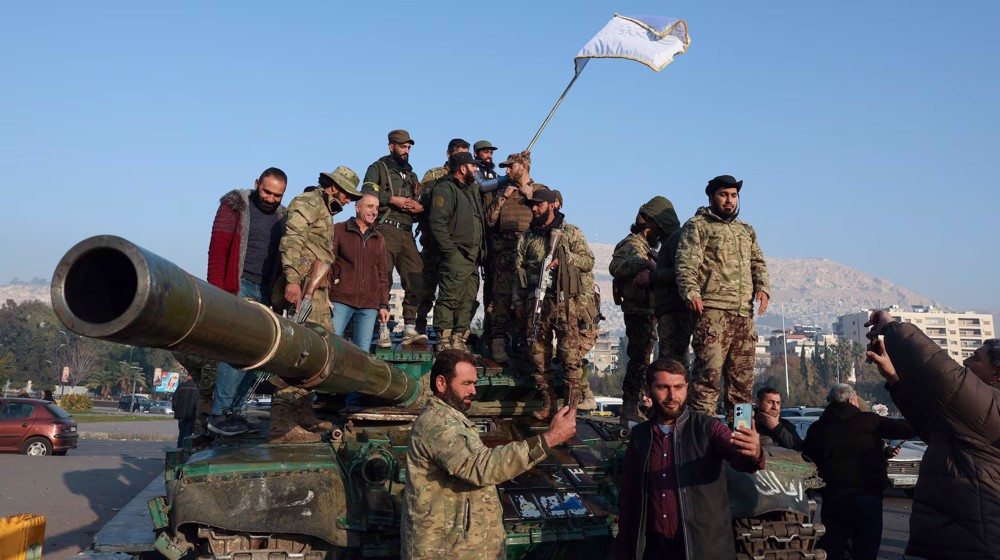
Hurras al-Din emerged in country as a splinter group from Hayat Tahrir al-Sham (HTS), another militant organization. While HTS has shifted its focus toward local governance and distancing itself from Al-Qaeda, Hurras al-Din remains firmly aligned with Al-Qaeda’s global jihadist agenda. This alignment has made it a primary target for counterterrorism operations, particularly by the United States.
In addition to targeting individuals, the US and its partners aim to dismantle the infrastructure that supports these groups. This includes disrupting financial networks, severing supply chains, and countering extremist propaganda. Such measures are essential for addressing the root causes of terrorism and preventing the resurgence of militant organizations.
Parallel Developments and Regional Implications
While the strike on Muhammad Salah al-Za’bir represents a tactical success, the broader fight against extremism continues to unfold in the region.
In a separate development, the Palestinian militant group Hamas confirmed the death of its military leader, Mohammed Deif, and several senior commanders in Israeli airstrikes.
These targeted killings demonstrate the ongoing efforts by various actors to neutralize high-value targets within militant organizations.
Hamas’s acknowledgment of Deif’s death comes amid heightened tensions following the group’s attack on southern Israel in October 2023, which resulted in over 1,200 Israeli fatalities and the abduction of more than 200 individuals.
The subsequent Israeli counteroffensive in Gaza has led to significant casualties, with over 46,000 Palestinians reported dead. These events have underscored the devastating human cost of the conflict and the challenges of achieving a lasting resolution.
The recent ceasefire between Israel and Hamas has provided a temporary reprieve, facilitating rounds of hostage and prisoner exchanges. While these developments offer a glimmer of hope for de-escalation, the underlying issues remain unresolved, and the risk of renewed violence persists.
The interconnected nature of militant activities in the Middle East highlights the need for a coordinated and comprehensive approach to counterterrorism.
Groups like Hurras al-Din, Hamas, and others operate within a complex web of alliances, rivalries, and ideological affiliations. Addressing these challenges requires not only military action but also political, economic, and social interventions to address the root causes of extremism.
The elimination of Muhammad Salah al-Za’bir marks another step in the ongoing battle against terrorism in country. However, it also serves as a reminder of the broader challenges and complexities of counterterrorism efforts in the region.
As the fight against extremism continues, sustained international cooperation and a multifaceted approach will be essential for achieving lasting peace and security.