
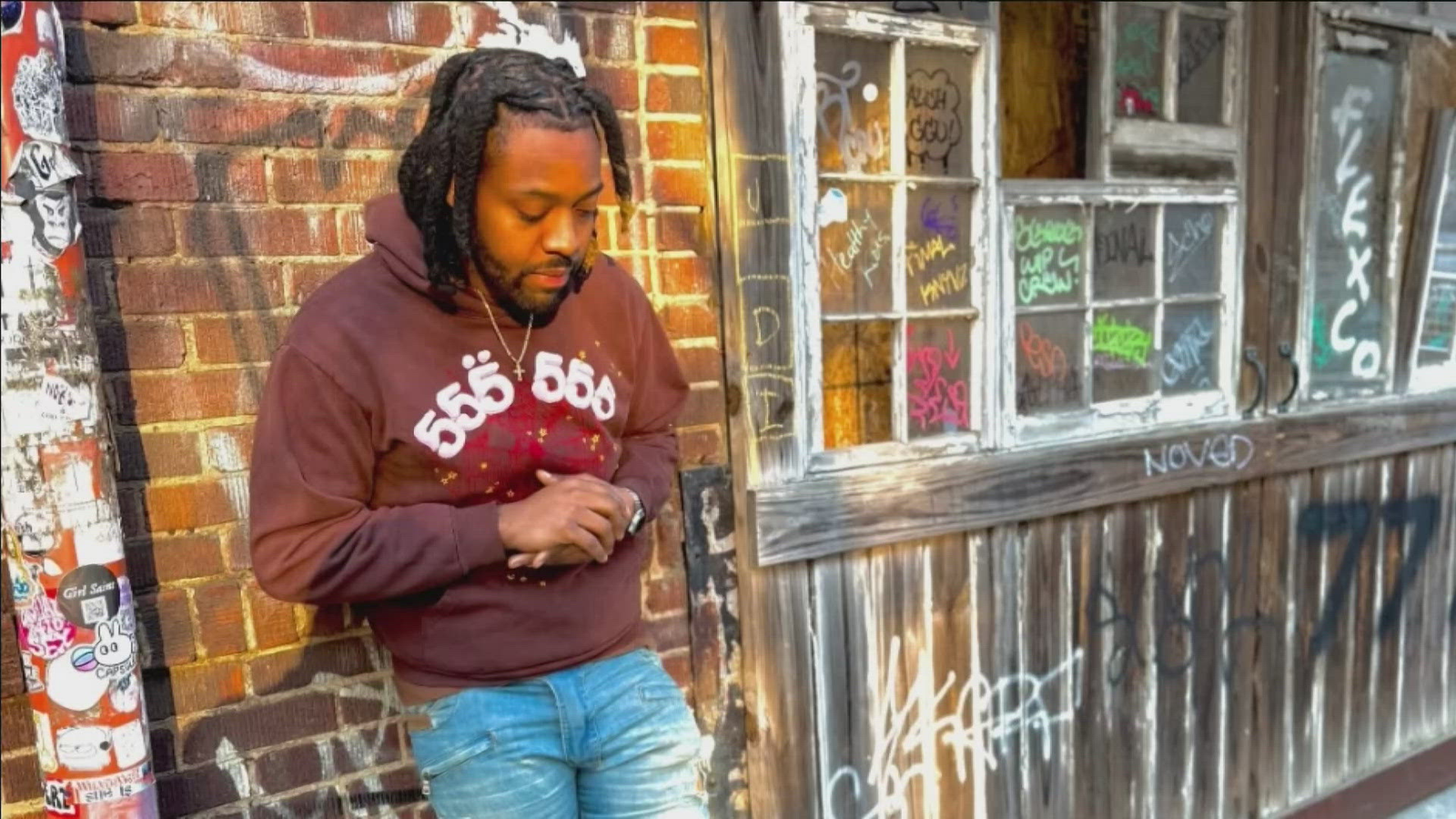
The killing of a United States Postal Service worker while performing his daily duties has shaken a Georgia community and left a grieving family searching for answers. Dequavious Graves, a 31-year-old mail carrier, was fatally shot while delivering mail in DeKalb County, an act that has stunned residents and deeply affected those who knew him personally and professionally.
What began as an ordinary workday ended in sudden tragedy, turning a quiet neighborhood into the scene of a fatal crime and leaving behind a painful void for loved ones who remember him as warm, supportive, and deeply devoted to those around him. As investigators work to determine what led to the shooting, the circumstances surrounding his death have raised profound concern about safety for public service workers and the unpredictable dangers they may face in the course of routine responsibilities.
The Shooting on Oxford Drive
According to witnesses and local accounts, the shooting occurred on a Thursday while Dequavious Graves was traveling along Oxford Drive in DeKalb County as part of his delivery route. Neighbors reported hearing gunshots in the area, followed by a disturbing sequence of events that suggested something had gone terribly wrong. Video captured during the incident documented the sound of gunfire, and shortly afterward, a postal delivery vehicle was seen slowly veering off the roadway before coming to a stop in a residential yard. The vehicle’s uncontrolled movement immediately raised alarm among those nearby.
A resident whose yard the vehicle entered initially believed the mail carrier might have suffered a medical emergency. Observing that he was still alive but unable to speak, she feared he might have experienced a stroke or seizure. The confusion and urgency of the moment prompted her to seek help from neighbors, calling out in distress as she attempted to make sense of what had happened. Only later did the reality emerge that the postal worker had been shot while performing his duties.
Emergency services responded, and Graves was transported to a hospital. Despite medical efforts, he did not survive his injuries. The devastating news was delivered to his mother after she was contacted and asked to come to the hospital immediately. The sudden loss left her overwhelmed, struggling to process the reality that her son’s life had ended so abruptly while he was simply doing his job.
Read : Postal Worker Sian Spence Arrested After Pepper Spraying Dogs While Delivering Mail
The circumstances of the shooting remain under investigation, with authorities working to determine what led to the attack. At the time of reporting, no suspect information had been publicly released. Investigators from local law enforcement and federal postal authorities are examining evidence and seeking clarity about the events that unfolded along the delivery route that day. For residents of the neighborhood, the incident transformed a familiar and routine presence — a mail carrier passing through — into a haunting reminder of how quickly ordinary life can be disrupted by violence.
Read : Top Ten Least Comfortable Cities to Live in 2024: Two Names from Asia
The setting of the shooting has further intensified concern because of its routine nature. Mail delivery is widely regarded as one of the most consistent and predictable public services, woven into daily life in neighborhoods across the country. The fact that a postal worker could be targeted in the middle of his workday has left many residents unsettled, questioning how such an act could occur in a residential environment where interactions with mail carriers are typically brief, friendly, and uneventful.
A Life Remembered by Family and Community
While the investigation focuses on the circumstances of the crime, those closest to Graves are focused on remembering the person behind the headlines. Family members describe him as someone whose presence filled rooms with warmth and laughter. His mother recalled his personality as bright and affectionate, emphasizing that he had a natural ability to bring joy to others. The loss of her firstborn child has been particularly devastating, and she has spoken openly about the emotional weight of burying a son taken far too soon.
Relatives and friends have also shared memories that reflect the depth of his relationships and the impact he had on those around him. His cousin, who described their bond as being more like that of siblings than extended family, spoke of years spent creating music together. Their shared creative pursuits were not only a source of enjoyment but also a foundation for mutual support. He credited Graves with encouraging his ambitions and helping him pursue artistic goals, often putting his own priorities aside to support others.
These accounts portray a man who was deeply invested in the people in his life. The grief expressed by loved ones reflects more than the shock of sudden loss; it reveals the absence of a constant source of encouragement, companionship, and emotional connection. The memories shared by family members emphasize qualities such as generosity, humor, and loyalty, painting a portrait of someone who made meaningful contributions to the lives of those around him.

Graves had worked as a mail carrier for four years, including time serving at the Wesley Chapel Post Office. Colleagues and community members who interacted with him through his work remember him as a familiar and dependable presence. Mail carriers often develop quiet but consistent relationships with residents along their routes, becoming part of the daily rhythm of neighborhoods. The loss of someone who fulfilled that role can feel deeply personal to those who encountered him regularly, even in brief interactions.
For his family, the loss is accompanied by unanswered questions. His mother has publicly called for the person responsible to come forward, expressing both grief and a desire for accountability. Her appeal reflects a broader longing for understanding and closure — a need to know why her son was targeted and whether justice will be served. The emotional toll of such uncertainty compounds the pain of loss, leaving family members to cope with both absence and unresolved circumstances.
The outpouring of grief from relatives and friends underscores how deeply interconnected personal relationships shape the meaning of loss. Each memory shared adds another dimension to understanding who Graves was beyond his role as a postal worker. He was a son, cousin, friend, and collaborator — identities that collectively define the impact of his life and the magnitude of his absence.
Investigation and Impact on Postal Workers
The investigation into the shooting is being conducted by both local law enforcement and federal postal authorities, reflecting the seriousness of violence directed at a public service employee while on duty. The involvement of multiple agencies highlights the broader implications of such incidents, which extend beyond individual tragedy to concerns about the safety of workers who serve communities daily.
Read : 15-Year-Old Arrested for Assault of Postal Worker in Central Fresno
Postal workers operate in diverse environments, often moving through neighborhoods alone and following predictable routes. This routine visibility can make them vulnerable in ways that are not always fully recognized. Incidents involving violence against delivery personnel draw attention to the risks associated with jobs that require constant public interaction and exposure. While such events are rare, their impact is significant, prompting discussions about safety protocols, protective measures, and support systems for employees.
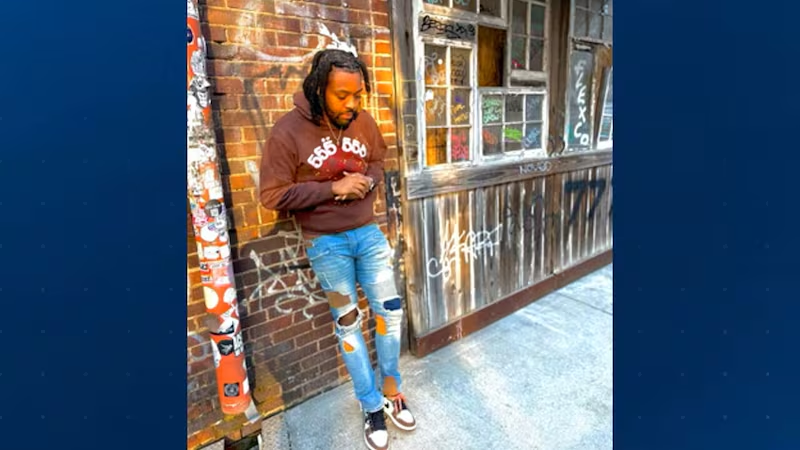
In response to the loss, the postal service expressed sorrow and extended condolences to Graves’ family, friends, and colleagues. Counseling services have been made available to employees at the Wesley Chapel Post Office, acknowledging the emotional impact of losing a coworker under such traumatic circumstances. Workplace grief can be particularly intense when colleagues share not only professional connections but also the daily experiences of navigating routes, schedules, and interactions with the public.
The emotional consequences of the incident extend beyond the workplace. Community members who regularly saw Graves delivering mail must now confront the absence of a familiar face, along with the unsettling awareness that violence can intrude into routine spaces. For many, the event disrupts assumptions about safety in ordinary settings, reinforcing a sense of vulnerability that can linger long after the immediate shock fades.
Investigators continue to gather evidence, interview witnesses, and review available footage in an effort to identify those responsible. The lack of publicly released suspect information has heightened tension, as residents and family members wait for updates. Each stage of the investigative process carries emotional significance, representing both hope for resolution and the difficulty of confronting the circumstances that led to the crime.
Beyond the immediate case, the incident raises broader questions about how communities respond to violence against public servants. Mail carriers, like many frontline workers, perform essential functions that support daily life. When one is harmed while fulfilling those responsibilities, the impact resonates widely, challenging perceptions of safety and prompting reflection on the value placed on those who serve.
As the investigation progresses, the memory of Dequavious Graves remains central to the unfolding story. His life, relationships, and work continue to shape how family members, coworkers, and residents understand the meaning of the tragedy. The search for answers continues alongside the ongoing process of mourning, each unfolding within a community still grappling with the loss of someone who was simply doing his job when his life was taken.
References:
Tunica mississippi casinos
References:
https://diego-maradona.org/user/bookkite5/
References:
What type of drug is steroids
References:
http://218.78.131.42:10030/kraigtooth5614/6719190/wiki/Metandienone-Wikipedia
References:
Kewadin casino st ignace
References:
https://raindrop.io/finddonkey67/thorupoffersen7655-68993097
References:
Analbolic steroids
References:
https://feuerwehr-ghr.de/index.php/;focus=STRATP_com_cm4all_wdn_Flatpress_25227802&path=?x=entry:entry240116-212208%3Bcomments:1