
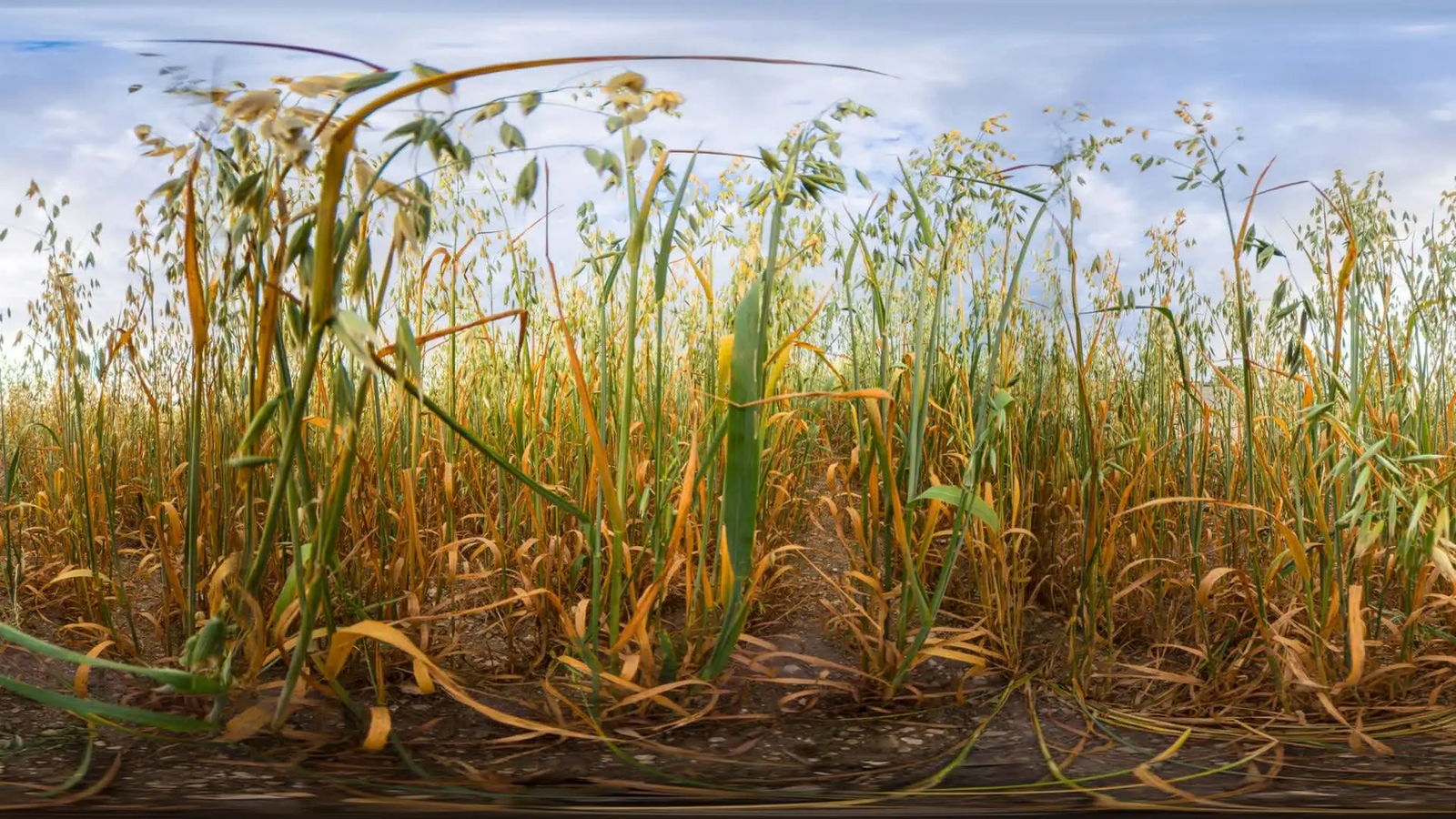
Social media trends have increasingly blurred the line between entertainment and responsibility, especially when public attention turns private property into a backdrop for viral content. In southern Utah, what began as a diesel truck photo trend quickly escalated into a costly problem for a local farmer whose oat field became an unintentional attraction for TikTok creators seeking dramatic sunset shots with lifted trucks.
Todd Brown, who manages a farm in Hurricane, Utah, said repeated trespassing by truck owners caused significant destruction to his oat crop after social media posts revealed the location of the field. According to Brown, the issue started after attendees from a nearby diesel truck event entered his property and filmed videos among the crops. Once those videos were shared online with location tags, more people began arriving daily to recreate similar content.
The situation highlights the growing tension between online culture and real-world consequences. While many participants reportedly viewed the field as an aesthetic backdrop for photos and videos, Brown said the damage to his crops was irreversible. What some considered harmless content creation ultimately resulted in lost harvest, wasted resources, and frustration for a farming family forced to deal with the aftermath.
The controversy has sparked debate online about property rights, influencer culture, and the responsibilities of social media users when filming content in rural areas. For Brown, however, the issue is far less abstract. The destruction affected land that represents months of labor, investment, and planning.
How a Social Media Trend Turned Into Crop Destruction
Brown explained that the damage began after a diesel truck gathering in the area led participants near his property. Some individuals reportedly drove into a nearby construction site before entering the oat field itself. One truck owner shared footage online, and because the location was tagged, the videos attracted increasing attention from other social media users.
According to Brown, the traffic did not stop after a single incident. More trucks began arriving in the evenings, especially during sunset hours commonly referred to online as “golden hour,” when lighting conditions are considered ideal for photography and video recording. Drivers reportedly entered the field repeatedly to stage photos with their vehicles surrounded by tall crops. Brown said he first learned about the online trend when his nephew showed him screenshots from TikTok.
Initially, he hoped the activity would fade on its own, but the number of visitors continued to grow. Eventually, he began contacting local authorities as the trespassing persisted. The situation illustrates how rapidly social media exposure can transform private spaces into viral locations. In many online trends, users often imitate viral images without considering whether the location is publicly accessible or privately owned. Once one post gains traction, others attempt to recreate the same visuals, sometimes leading to crowds gathering in areas not designed to handle heavy traffic or unauthorized visitors.
In this case, Brown disputed claims from at least one truck owner who suggested the area looked like an empty grassy field. Brown maintained that the property was clearly identifiable as farmland and noted that the field was fenced on three sides. He said drivers entered through an accessible area connected to nearby construction before crossing into the crops.
One online post reportedly included the hashtag “#farmersgonnahate,” a phrase Brown viewed as dismissive and indicative of a broader lack of respect for agricultural land. To him, the issue was never about disliking trucks or photography. Instead, it was about people knowingly driving onto private farmland for online attention while disregarding the consequences.
Read : A Man Dies After Falling from 1,981-Foot Cliff in Norway Featured in “Mission Impossible” Film
The incident also reflects a wider pattern seen in recent years, where social media trends have encouraged risky or disruptive behavior in pursuit of engagement. Viral content often rewards dramatic visuals without showing the impact left behind after the cameras stop recording. In Brown’s case, the visual appeal of the oat field became more important to online users than the fact that it was a working agricultural operation.
As more people arrived at the property, law enforcement eventually became involved, and citations were reportedly issued. Brown later posted his own video online to warn the community and discourage further trespassing. His message was straightforward: farmland is not a photo set, and actions taken for social media can carry real financial consequences.
Why the Damage to the Oat Field Cannot Be Repaired
To some viewers online, the damage may have appeared minor because only tire tracks were visible in photographs and videos. However, Todd Brown explained that the reality for farmers is far more serious. Oat plants are highly vulnerable to crushing damage caused by heavy vehicles, and once flattened, the crops cannot recover. According to Brown, oat stems are hollow, meaning they collapse easily under the weight of trucks. Once bent or crushed, the plants die permanently. The damaged sections can no longer produce harvestable grain, effectively turning portions of the field into total crop loss.
For farmers, the destruction of crops represents far more than the visible plants themselves. Each acre of farmland involves months of preparation and substantial financial investment long before harvest season arrives. Brown pointed out that the ruined areas also represent wasted seed, fertilizer, irrigation water, fuel, machinery use, and labor. Growing oats requires careful timing and resource management. Farmers prepare soil, purchase seed, plant crops under specific weather conditions, irrigate fields, monitor growth, and protect against pests or disease throughout the season.
Read : Geddo Corp., Operator of 12 Farmer Boys Locations Files for Chapter 11 Bankruptcy
By the time a field appears lush and attractive for photographs, it already represents months of work and expense. When vehicles enter a field, the damage extends beyond the immediate tire tracks. Soil can become compacted under the weight of heavy trucks, making it more difficult for future crops to grow properly. Irrigation systems may also be affected, and damaged sections can complicate harvesting operations because farm equipment must navigate around ruined areas.
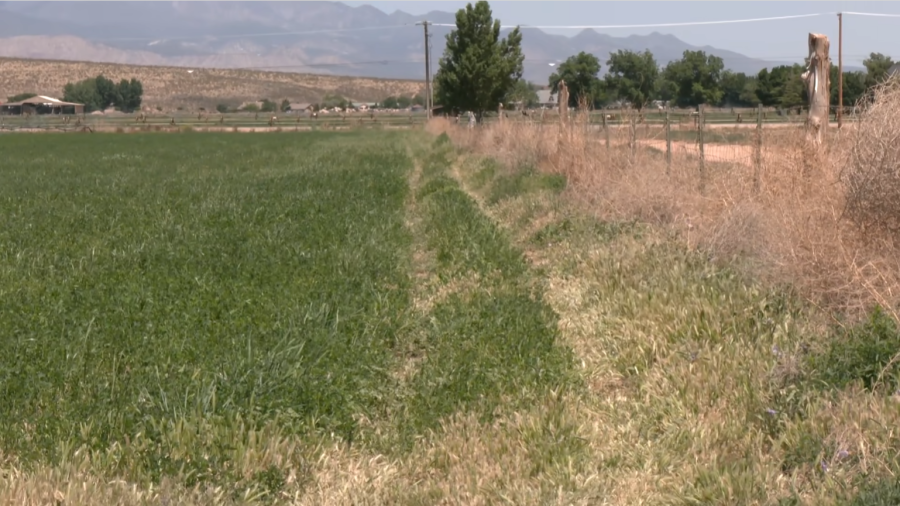
Brown’s frustration also reflects the unpredictability farmers already face due to weather, market conditions, water availability, and rising operating costs. Agriculture is an industry where profit margins can be narrow even during successful years. Unexpected losses caused by trespassing only increase financial pressure on farm operators. Many farmers rely on each season’s harvest to cover loans, equipment costs, and household expenses. Even relatively small areas of crop destruction can affect total yield and profitability. Unlike decorative landscaping or wild grass, commercial crops are part of a carefully managed production system tied directly to income.
The incident has also drawn attention to a common misunderstanding among people unfamiliar with farming. Agricultural fields are sometimes viewed as open spaces available for recreation or photography simply because they are visually appealing. However, nearly all farmland is private property with a specific economic purpose. Brown emphasized that the issue extends beyond his own farm. He hopes the attention surrounding the incident encourages people to think more carefully before entering agricultural land without permission. What might seem like harmless entertainment to visitors can create lasting consequences for those whose livelihoods depend on the land.
The Growing Clash Between Viral Content and Private Property
The controversy surrounding Brown’s field reflects a broader cultural shift driven by social media platforms where visually striking locations can become internet attractions overnight. Across the United States and elsewhere, property owners have increasingly dealt with crowds gathering for photos, videos, and influencer content after locations gain online popularity.
In many cases, these trends begin innocently. A single post showcasing a scenic field, road, mural, or landscape can quickly spread across TikTok, Instagram, or other platforms. Users then travel to replicate the same content, often without researching whether the location is private property or environmentally sensitive.
Read : Iowa Farmer Tanner Seuntjens Sentenced to 13 Years for $1.7M USDA Fraud Scheme
The pressure to create eye-catching online content has encouraged some individuals to prioritize aesthetics over responsibility. Vehicles driven into fields, crowds entering restricted areas, and damage to natural spaces have become recurring issues tied to viral internet culture. What makes the Utah incident particularly significant is that the consequences directly affected agricultural production.
For farmers and rural communities, the problem raises concerns about respect for land ownership and awareness of how farming operations function. Agricultural property is often open and expansive, which can create the false impression that entering it causes no harm. In reality, even brief unauthorized access can damage crops, irrigation systems, fences, or livestock areas.
The incident also demonstrates how quickly online behavior can escalate through imitation. Brown described how the location tag on the original video appeared to trigger a steady stream of visitors seeking similar photos. Social media algorithms frequently reward trends by amplifying popular content, encouraging more users to participate without necessarily understanding the context.
Some online commenters defended the drivers by suggesting they did not realize the crops were harvestable. Others argued that the drivers should have recognized they were entering private farmland regardless of the crop type. Brown himself rejected the explanation that the field looked unused, pointing to fencing and visible agricultural conditions as evidence that the property was clearly active farmland.
The debate reflects a broader disconnect between digital culture and physical consequences. Online content often focuses only on the final image or video, removing the surrounding reality from public view. Viewers see trucks posed dramatically in a field at sunset, but they do not see the destroyed crops, financial losses, or frustration experienced by the property owner afterward.
Brown’s response has resonated with many people who view the incident as part of a larger problem involving disrespect for private property in pursuit of online engagement. His warning to the public was ultimately simple but direct: do not enter land that does not belong to you, and do not assume something is harmless just because it appears attractive on camera.
The incident in Hurricane, Utah, may eventually fade from social media feeds, but the damaged crops will not recover. For Brown, the field represented a season’s worth of effort that cannot simply be restored after a trend moves on to the next viral location.