

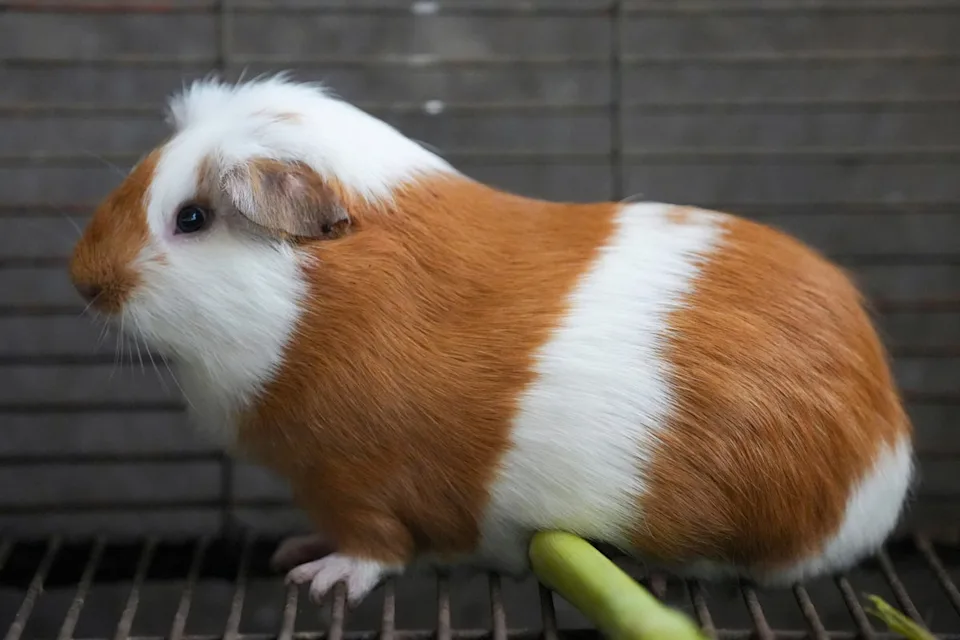
Utah State University (USU) has recently come under intense scrutiny following a misconduct report that alleges serious ethical violations in its animal research practices. The report, obtained through an open records request by the animal rights group Stop Animal Exploitation NOW! (SAEN), details how 22 guinea pigs and 53 hamsters were subjected to excessive radiation and underwent surgeries without proper pain management.
These revelations have sparked outrage among animal welfare advocates and raised questions about the university’s oversight of its research programs. The allegations, which involve violations of the federal Animal Welfare Act, could result in significant penalties for the university, with potential fines approaching $1 million.
Allegations of Research Misconduct and Animal Welfare Violations
The controversy centers on a research project at USU where a principal investigator (PI) allegedly exposed 75 rodents—22 guinea pigs and 53 hamsters—to radiation levels far exceeding those approved by the university’s Institutional Animal Care and Use Committee (IACUC). According to the misconduct report, the researcher intentionally applied higher doses to test lethal limits, resulting in the deaths of an unspecified number of animals.
This action violated the approved protocol, which set strict boundaries for radiation exposure to ensure the animals’ safety. The report further alleges that the researcher performed embryo transfer surgeries on hamsters without administering required pain medication, citing concerns about potential impacts on fetal development. However, IACUC guidelines explicitly prohibit withholding analgesics without prior approval, as pain management is a critical component of ethical animal research.
The animal rights group SAEN, led by executive director Michael Budkie, has called the violations “simply horrific” and accused the principal investigator of acting “above the law” by disregarding established protocols. Budkie’s formal complaint to the federal government demands a full investigation by the U.S. Department of Agriculture (USDA), which oversees animal research compliance through its inspectors.
The complaint also urges the USDA to impose the maximum penalty for each violation, which could amount to $13,000 per animal, potentially totaling nearly $1 million for the 75 affected rodents. The report, made public on September 4, 2025, has drawn significant attention due to its detailed account of the mistreatment and the scale of the violations. USU’s report acknowledges that the research project was not directly funded by federal dollars, but the guinea pig colony was partially supported by a National Institutes of Health (NIH) grant.
Read : Turkish Government Bill on Euthanasia for Stray Dogs Faces Anger and Criticism
This connection triggered mandatory reporting to the USDA and the NIH’s Office of Laboratory Animal Welfare (OLAW). The researcher involved admitted to the oversight, claiming it was unintentional, but this explanation has done little to quell the criticism from advocacy groups and the public. The allegations have also reignited debates about the ethical boundaries of animal testing, particularly when research practices deviate from approved standards.
University’s Response and Corrective Actions
In response to the allegations, Utah State University has taken several steps to address the misconduct and prevent future violations. The university promptly disconnected the X-ray machines used in the experiments to halt further unauthorized radiation exposure. Additionally, USU has suspended its guinea pig breeding program and all surgical procedures on animals pending further review. The principal investigator at the center of the controversy has been restricted to conducting only noninvasive procedures and is required to submit monthly reports on their activities.
The researcher must also complete additional ethics training to reinforce compliance with animal welfare regulations. A university spokesperson issued a statement emphasizing USU’s commitment to the humane treatment of research animals, saying, “Utah State is strongly committed to the humane treatment of research animals in its care.” The university has highlighted its cooperation with federal oversight agencies, noting that it self-reported the misconduct as required. USU also emphasized that its animal care facilities are designed to provide high-quality care, with regular inspections by the USDA.
For instance, a recent USDA inspection reviewed the treatment of 92 sheep and 76 goats at the university, indicating that USU’s animal research extends beyond rodents and is subject to ongoing scrutiny. Despite these measures, animal rights advocates argue that the university’s response falls short. Michael Budkie of SAEN has called for the termination of the employees involved, arguing that the violations reflect a systemic disregard for ethical standards.
The university’s history of criticism from groups like the People for the Ethical Treatment of Animals (PETA) has also been brought to the forefront. PETA previously objected to USU’s use of rats in undergraduate psychology courses, where the animals were reportedly subjected to random bursts of light in confined spaces. The university dismissed those claims, asserting that the studies used positive reinforcement and could not be replicated without animals. However, the recurrence of animal welfare concerns has intensified calls for stricter oversight and accountability.
Broader Implications for Animal Research Ethics
The allegations against Utah State University highlight broader issues in the field of animal research, particularly the balance between scientific advancement and ethical responsibility. Animal testing has long been a cornerstone of medical and scientific progress, contributing to breakthroughs such as insulin therapy for diabetes and treatments for breast cancer.
However, incidents like those at USU underscore the importance of adhering to strict ethical guidelines to minimize animal suffering. The federal Animal Welfare Act sets minimum standards for the care of warm-blooded animals in research, including requirements for food, water, housing, and veterinary care. Scientists are trained to reduce pain and distress, and institutions receiving federal funding must demonstrate compliance through regular reporting and inspections.
The USU case also raises questions about the effectiveness of institutional oversight. The IACUC is responsible for approving and monitoring animal research protocols, but the violations at USU suggest a failure in enforcement. The researcher’s decision to exceed approved radiation levels and withhold pain medication indicates a lapse in accountability, either through intentional misconduct or inadequate supervision. This has led to calls for stronger federal regulations and more rigorous training for researchers to prevent similar incidents.
Moreover, the political context adds complexity to the situation. The Trump administration, which has made significant cuts to federal research funding, including projects involving animal testing, will ultimately determine how USU’s violations are addressed. The administration’s policies have already led to the termination of some animal research projects, with facilities like the Environmental Protection Agency in North Carolina placing animals up for adoption after funding was cut.
This shift in federal priorities could influence the severity of penalties imposed on USU, as well as the future of animal research at the university. USU has already faced financial challenges, losing approximately $15 million in research funding and laying off seven staff researchers, which may complicate its ability to address the fallout from this scandal.
The public outcry over the USU report also reflects growing societal concerns about animal welfare. Organizations like SAEN and PETA have leveraged public platforms to highlight the suffering of animals in research, advocating for alternatives such as computer modeling and non-animal testing methods. While these alternatives are gaining traction, many scientists argue that animal research remains essential for certain types of studies, particularly those involving complex biological systems. The challenge lies in ensuring that such research is conducted with the highest ethical standards, prioritizing animal welfare while advancing scientific knowledge.
The allegations against Utah State University have cast a spotlight on the ethical complexities of animal research. The reported mistreatment of guinea pigs and hamsters, involving excessive radiation and withheld pain medication, has sparked widespread criticism and calls for accountability. The university’s swift response, including suspending certain research activities and imposing restrictions on the principal investigator, demonstrates an attempt to address the issue, but critics argue that more decisive action is needed.
The potential for nearly $1 million in fines underscores the seriousness of the violations, while the broader implications highlight the need for robust oversight and adherence to ethical standards in animal research. As public awareness of animal welfare grows, institutions like USU face increasing pressure to demonstrate their commitment to humane practices. The outcome of this case, including any penalties imposed by federal agencies, will likely influence the future of animal research at the university and beyond.
For now, the controversy serves as a stark reminder of the ethical responsibilities that come with scientific inquiry and the importance of ensuring that animals used in research are treated with care and respect. The debate over animal testing is far from settled, but incidents like this underscore the urgency of finding a balance between scientific progress and compassion for the creatures that contribute to it.