
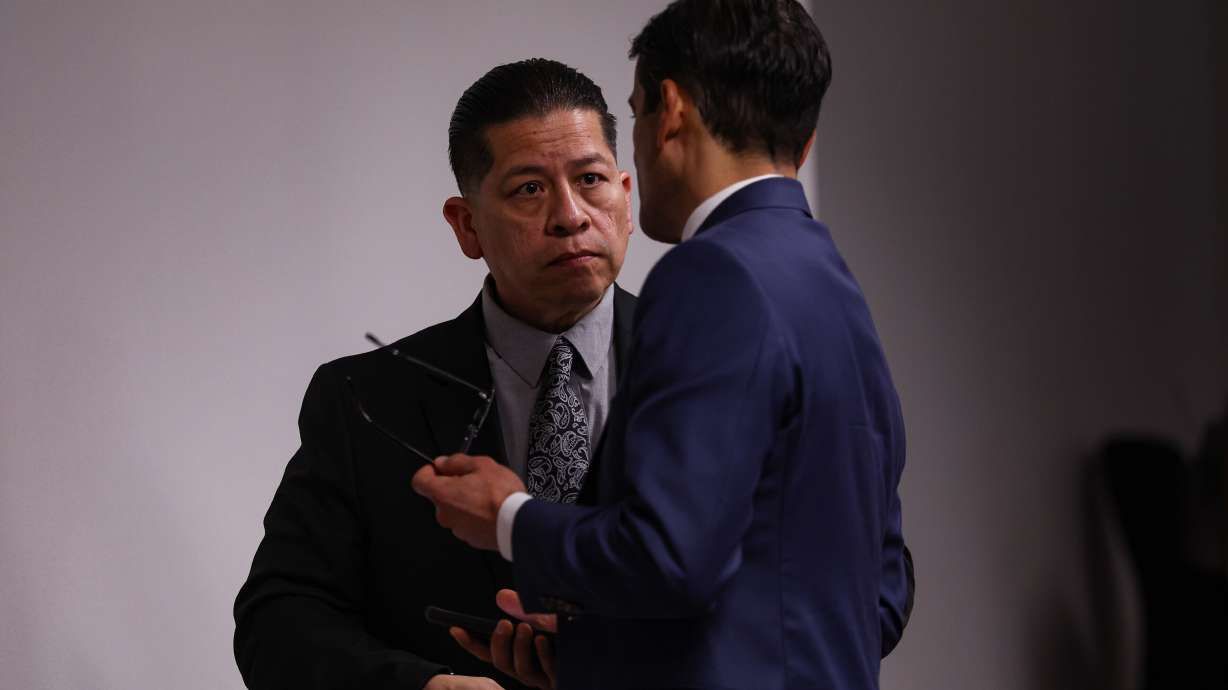
Nearly three years after one of the deadliest school shootings in American history, a Texas jury has acquitted former Uvalde Consolidated Independent School District police officer Adrian Gonzales of all criminal charges related to the massacre at Robb Elementary School. The verdict, delivered Wednesday evening after a nearly three-week trial, brings legal closure for Gonzales but has reopened deep emotional wounds for the families of the victims and the wider Uvalde community still grappling with the legacy of May 24, 2022.
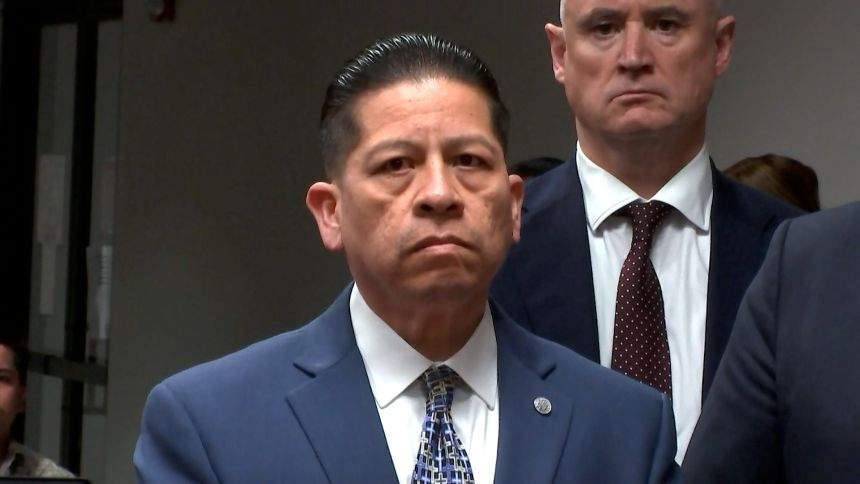
Gonzales, 52, faced 29 counts of child endangerment, each corresponding to the 19 children who were killed and the 10 others who were injured when an 18-year-old gunman, Salvador Ramos, carried out the attack. Prosecutors alleged that Gonzales failed in his duty as a law enforcement officer by not confronting the shooter quickly enough, contributing to the prolonged delay that allowed the carnage to continue. If convicted, Gonzales could have been sentenced to up to two years in prison.
Instead, the jury found him not guilty on all counts, marking a pivotal moment in the long-running effort to assign accountability for the law enforcement response to the shooting. While the verdict absolves Gonzales of criminal responsibility, it does not erase the broader questions surrounding the more than hour-long delay before police finally breached the classroom and killed the gunman.
The Trial and the Case Against Adrian Gonzales
The trial centered on whether Adrian Gonzales had a legal obligation and a realistic opportunity to confront the gunman and whether his actions or inaction constituted criminal negligence under Texas law. Prosecutors argued that Gonzales became aware that shots had been fired at Robb Elementary and that he failed to act decisively despite having time to respond and information about the general location of the shooter.
Special Prosecutor Bill Turner told the jury that Gonzales “failed to act after being aware that shots were fired, being told the general location of the gunman, having time to respond.” The state’s case sought to establish that Gonzales’ failure to immediately engage the shooter amounted to child endangerment, given the presence of students in active danger.
The defense countered this narrative by portraying Gonzales as one officer among hundreds responding to an extraordinarily chaotic and dangerous situation. His attorneys argued that Gonzales never saw Salvador Ramos before the gunman entered the school and that other officers were closer to the shooter and in a better position to stop him. According to the defense, Gonzales attempted to reach the classroom but was forced back by gunfire, a claim supported by testimony describing the intensity of the shooting during the early moments of the attack.
Defense lawyers also emphasized that Gonzales assisted in evacuating children from other classrooms, helping save lives even as the situation inside the building remained unresolved. They argued that criminal liability should not be imposed based on hindsight or systemic failures beyond the control of a single officer.
Read : Enchanting Escapes: Top Ten Most Beautiful Mountain Villages
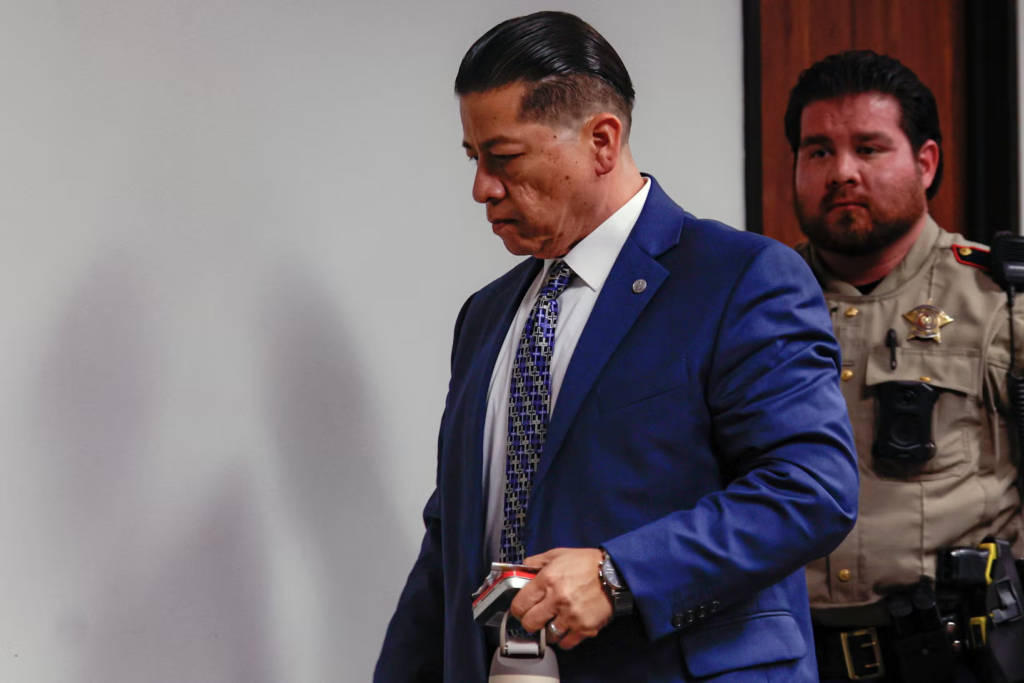
After the verdict was read, Gonzales briefly addressed reporters, thanking the jury “for considering all the evidence.” His legal team maintained that the acquittal confirmed what they had argued from the beginning: that Gonzales did not commit a crime and should not have been singled out for prosecution. The decision makes Gonzales one of only two officers charged among the roughly 370 law enforcement personnel who responded to the scene that day. The other is former Uvalde schools Police Chief Pete Arredondo, whose case remains pending.
What Happened at Robb Elementary on May 24, 2022
The events that unfolded at Robb Elementary School remain seared into the national consciousness. On the morning of May 24, 2022, Salvador Ramos arrived at the school armed with a semi-automatic rifle and began firing at approximately 11:30 a.m. According to investigative timelines later released by CNN and other outlets, Ramos fired more than 100 rounds before the first officers entered the building.
Nineteen children and two teachers were ultimately killed, and at least 10 more students were injured. Despite the arrival of local, state, and federal law enforcement officers, Ramos remained barricaded inside connected classrooms for over an hour while victims lay wounded inside. During this time, officers struggled to coordinate their response. Some attempted to move down hallways but were driven back by gunfire. Others focused on evacuating students from nearby classrooms.
Confusion over command authority, concerns about officer safety, and misinterpretations of the situation as a barricaded suspect rather than an active shooter all contributed to the delay. It was not until around 12:50 p.m. that a tactical breach team confronted Ramos. When the gunman emerged from a classroom supply closet and opened fire, officers returned fire and killed him, bringing the attack to an end. Subsequent investigations by media outlets, state agencies, and federal authorities described the law enforcement response as deeply flawed.
Body camera footage, radio logs, and witness testimony revealed missed opportunities and critical breakdowns in communication and leadership. These findings fueled public outrage and led to calls for accountability, including criminal charges against officers deemed responsible for the delayed response. For many families, the prosecutions of Gonzales and Arredondo represented one of the few avenues for justice in the absence of federal charges or sweeping reforms.
Reactions, Ongoing Legal Battles, and Unresolved Accountability
The acquittal of Adrian Gonzales has drawn sharply divided reactions. Outside the courtroom, some family members of the victims were seen crying or wiping away tears as the verdict was announced. For them, the trial was not only about Gonzales as an individual but about the broader failure to protect their children.
“Faith is fractured, but you never lose faith,” said Jesse Rizo, who lost his nine-year-old niece Jackie Cazares in the shooting. “These children that are no longer with us — that are at the cemetery — they can’t speak for themselves. We speak for them. We fight ‘til the end.” His words echoed the sentiment of many families who believe accountability remains incomplete.
Emotions ran high throughout the trial. In one particularly tense moment, Velma Duran, the sister of slain teacher Irma Garcia, shouted from the courtroom gallery after a deputy described discovering a “pile of the bodies.” Duran accused her sister of having gone into what she described as the “fatal funnel,” a law enforcement term for a vulnerable open space. She was escorted out of the courtroom following the outburst, underscoring the raw pain still surrounding the case.
Legal experts note that the acquittal sets an important precedent that could influence the remaining prosecution against former police chief Pete Arredondo. Arredondo has pleaded not guilty to similar child endangerment charges, and his trial date has yet to be scheduled. His attorney, Paul Looney, has already suggested that prosecutors may drop the case in light of Gonzales’ verdict, arguing that the jury’s decision undermines the legal theory behind the charges.
“These people have been vilified, and it’s horrible what’s been done to them,” Looney said. “These guys didn’t do anything wrong.” Whether prosecutors will proceed against Arredondo remains to be seen, but the Gonzales acquittal raises broader questions about the limits of criminal law in addressing systemic failures. While internal reviews and civil lawsuits continue, criminal courts require proof beyond a reasonable doubt that a specific individual’s actions meet the legal threshold for a crime.
For the families of Robb Elementary, that distinction offers little comfort. Many have filed civil suits against law enforcement agencies and officials, seeking accountability through other means. Meanwhile, legislative debates over police training, school security, and gun laws continue at both the state and national levels.
The acquittal of Adrian Gonzales does not close the chapter on Uvalde. Instead, it highlights the enduring tension between legal culpability and moral responsibility in the aftermath of mass violence. As trials conclude and investigations wind down, the central tragedy remains unchanged: 21 lives were lost, dozens were forever altered, and a community continues to search for answers that no verdict can fully provide.