

The recent arrest of an 18-year-old teenager in Indiana has once again brought the dark reality of school shootings to the forefront.
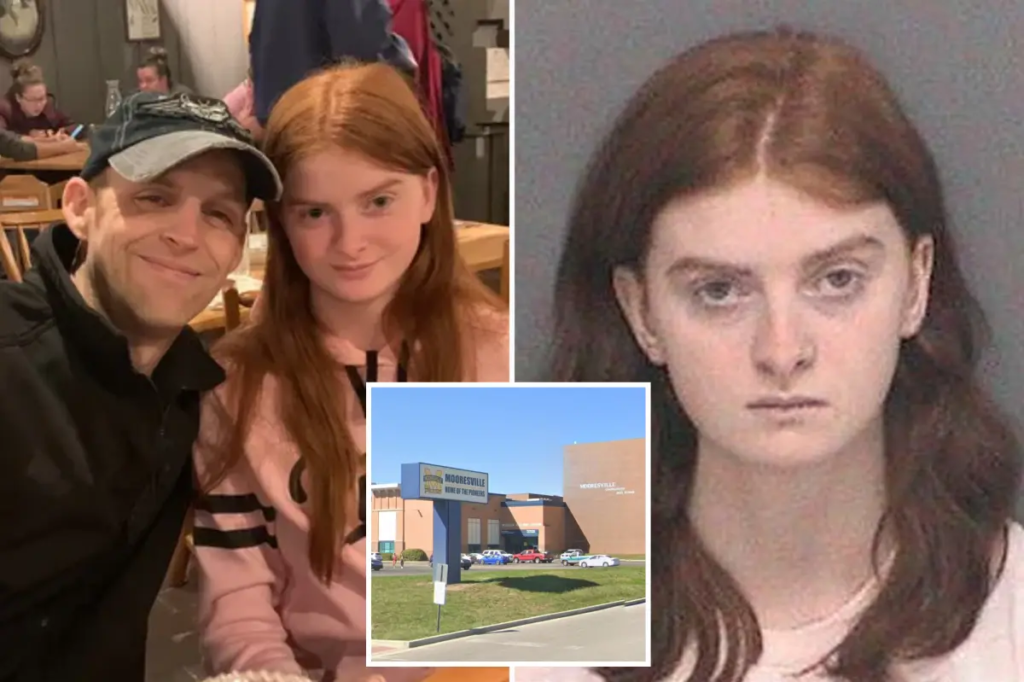
The Mooresville Police Department, acting on an FBI tip, arrested Trinity Shockley for allegedly planning a mass shooting at Mooresville High School on Valentine’s Day. The case highlights not only the dangers of radicalization but also the pressing need for mental health support for troubled youths.
The Plot Uncovered at Mooresville High School
Law enforcement agencies were alerted to the potential attack when the FBI’s Sandy Hook Tip Line received a warning about Shockley’s possession of an AR-15 rifle and her request for a bulletproof vest.
The authorities swiftly took action, arresting the teenager and charging her with conspiracy to commit murder, intimidation, and conspiracy to commit intimidation. The arrest was made on Tuesday, and Shockley was held without bail.
According to the probable cause affidavit, Shockley had been planning the attack for over a year. She referred to her plan as “Parkland part two,” a chilling reference to the 2018 Marjory Stoneman Douglas High School shooting, where Nikolas Cruz killed 17 people.
Shockley had been actively discussing her plans online under the alias “Jamie” and had shared details, including images of an AR-15, in early February.
During a search of Shockley’s residence, police discovered a cache of disturbing evidence, including a soft armor vest, several notebooks, and a collage featuring mass shooters Nikolas Cruz, Dylann Roof, and Andrew Blaze.
Read : Why Girls Are Gaga Over Snacks and Chocolates ???
Authorities also found a poster from a film that depicted two boys carrying out a school shooting, further solidifying her infatuation with violence and mass murderers.
An Obsession with Mass Shooters
Perhaps one of the most disturbing aspects of this case is Shockley’s documented obsession with Nikolas Cruz, the Parkland shooter. The affidavit reveals that she had written to Cruz multiple times and admitted to being “sexually attracted” to him. She even wore a heart-shaped locket containing his photograph, signifying a deep and troubling admiration.
Shockley’s interest in mass shooters was not limited to Cruz alone. Authorities found that she idolized other notorious mass murderers, including Dylann Roof, the perpetrator of the Charleston church shooting, and Andrew Blaze, responsible for a shooting at a Pennsylvania supermarket in 2017.
The presence of their images in her personal space indicates a dangerous fascination with individuals who carried out horrific acts of violence.
Studies have shown that individuals who idolize mass shooters often exhibit warning signs, such as isolating themselves, consuming violent content, and expressing admiration for past attackers. Shockley’s case aligns with these findings, as her messages under the alias “Jamie” described an elaborate, premeditated attack inspired by previous school shootings.
Mental Health Struggles and Missed Intervention
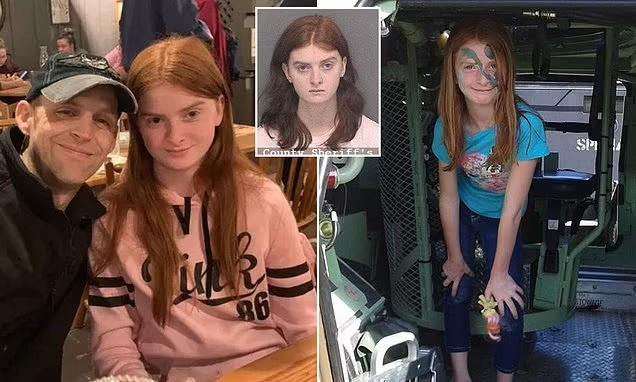
A crucial aspect of this case is Shockley’s struggle with mental health. According to the affidavit, she identified as a transgender male and described experiencing “a lot of homicidal thoughts.”
She admitted during a police interview that she had been joking about the shooting and insisted that she “would never do that and does not have access to a gun.” However, given the evidence collected from her residence, authorities took her statements with skepticism.
It was also revealed that Shockley had attempted to seek mental health treatment but was reportedly denied access by her father. This raises serious concerns about the accessibility of mental health resources for troubled youths.
Many individuals with violent tendencies often display warning signs before committing an act of violence, yet intervention is often delayed or dismissed. Shockley’s case underscores the importance of providing timely mental health support to individuals exhibiting concerning behavior.
The debate over mental health care in the United States continues to be a pressing issue. Studies suggest that individuals who engage in violent crimes often struggle with untreated mental health disorders. Early intervention, counseling, and proper medical care could potentially prevent tragedies like the one Shockley was allegedly planning.
The arrest of Trinity Shockley serves as a stark reminder of the ever-present threat of school shootings and the need for vigilant law enforcement, community awareness, and accessible mental health resources.
While the swift action of the FBI and Mooresville Police Department prevented what could have been a devastating tragedy, the case also highlights deeper societal issues that need urgent attention. From the glorification of mass shooters to the lack of mental health intervention, these factors must be addressed to ensure the safety of students and prevent future threats.