
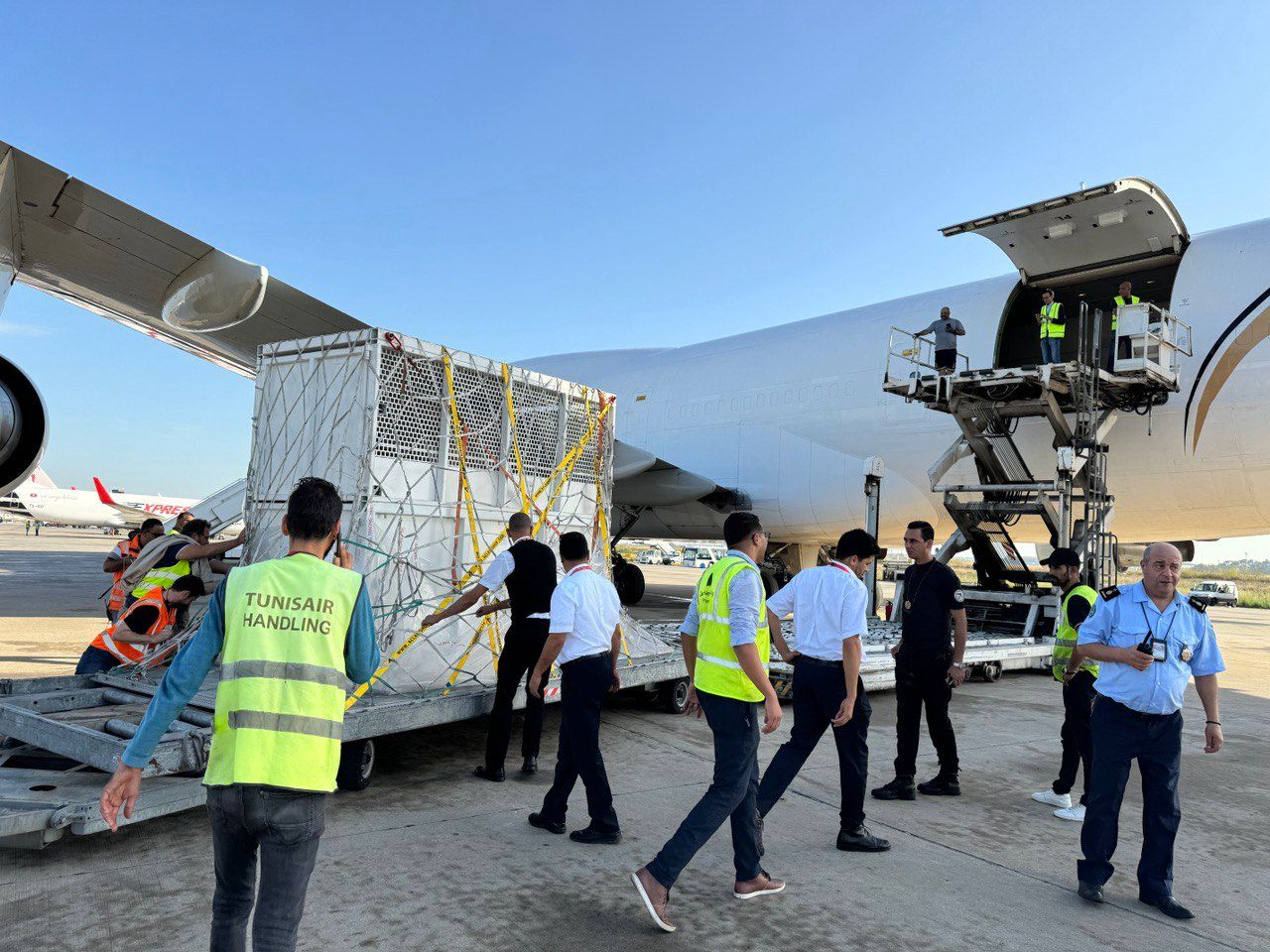
As a pioneering wildlife rescue and rehabilitation center, Vantara in Jamnagar, India, is set to welcome three African forest elephants—Achtaum, Kani, and Mina—who have spent the last 23 years in captivity at Friguia Park in Tunisia.
Vantara, founded by Anant Mukesh Ambani, will be providing these elephants with a new, compassionate home designed to meet their unique physical and emotional needs. This relocation signifies a commitment to the elephants’ well-being, offering them a peaceful sanctuary to live out their lives with the care they deserve.
The Journey from Tunisia to India: Ensuring a Safe and Compassionate Transition
The elephants’ journey began with their transfer from Burkina Faso to Tunisia over two decades ago, where they were brought as young calves to Friguia Park. Now in their late twenties, the elephants have been cared for by the park but were ultimately restricted by limited resources.
Despite being popular attractions, financial constraints limited the park’s ability to meet the elephants’ complex dietary, housing, and healthcare needs. In light of this, the zoo sought an alternative that would prioritize the well-being of these gentle giants over their value as exhibits.
Read : Truth Behind Viral Video of Elephant Stuck on a Cliff
After extensive discussions and planning, Vantara was identified as the most suitable sanctuary due to its advanced facilities and experienced staff. All regulatory requirements were meticulously addressed, including compliance with the Convention on International Trade in Endangered Species of Wild Fauna and Flora (CITES).
To minimize stress during transport, the elephants will be flown to India on a specially chartered cargo aircraft, where every measure has been taken to ensure their comfort and safety.
Read : New Study Found That Elephants Call Each Other by Unique Names
In their new home, the elephants will experience an environment far closer to their natural habitat than they have known. Vantara’s commitment to humane treatment and the long-term care of wildlife has created a unique setting where these elephants can finally experience the compassion and respect they deserve.
The Challenges Facing Captive Elephants: Health, Well-Being, and the Need for Specialized Care
Years in captivity often leave animals with lingering health issues, and Achtaum, Kani, and Mina are no exception. Vantara’s veterinarians conducted thorough health assessments on the elephants and identified several areas requiring immediate and ongoing attention.
Achtaum has developed a split tusk and molar infection, while Kani shows signs of cracked nails due to prolonged exposure to hard flooring. These conditions necessitate special medical care, particularly given the elephants’ previous living conditions, which were limited to a small, poorly ventilated enclosure and paddock with a hard concrete floor.
The assessment also highlighted the elephants’ dietary needs. For over two decades, they subsisted primarily on dry hay, with insufficient access to clean water or diverse vegetation. Their current diet has not provided the nutrients or enrichment needed to maintain optimal health.

Furthermore, untreated skin conditions have led to hair loss and matted skin, underscoring the need for regular veterinary care, along with opportunities to engage in behaviors that promote their well-being, such as mud wallows and access to fresh foliage.
At Vantara, these elephants will have access to tailored medical care that includes regular check-ups, nutritional guidance, and therapeutic exercises. The sanctuary’s facilities will support both their physical and mental health, allowing them to recover and thrive.
Achtaum’s dental issues, for instance, will be carefully monitored and treated by Vantara’s skilled veterinarians, while Kani’s foot care will be enhanced by soft soil surfaces and specialized foot treatments. These individualized care plans underscore Vantara’s commitment to ensuring that these elephants experience the highest quality of life possible.
Creating a Natural Sanctuary: How Vantara Replicates the Elephants’ Native Habitat
The African forest elephants are native to the lush forests of Central and West Africa, where they roam freely, foraging on diverse vegetation and enjoying abundant natural resources. Tunisia, however, is far from this environment, and Friguia Park could not replicate the essential habitat conditions these elephants require.
With no native forest elephant population in Tunisia, the park’s infrastructure fell short of what is needed to foster the natural behaviors and physical health of forest elephants.

Vantara has dedicated itself to providing a sanctuary that closely mirrors the elephants’ original habitat, creating an environment enriched with native flora, mud pools, and spacious enclosures. These spaces are thoughtfully designed to encourage natural foraging behaviors, promoting mental engagement and reducing stress.
The sanctuary’s caretakers have created a sustainable and varied diet plan that includes fresh fruits, vegetables, and leafy greens, catering to the elephants’ specific dietary preferences and nutritional requirements.
In addition to physical care, Vantara’s facilities offer elephants opportunities for social interaction and enrichment that align with their natural instincts. Achtaum, Kani, and Mina will be able to form social bonds, explore their surroundings, and engage in activities that enhance their psychological well-being.
Enrichment activities, like mud wallows and tree scratching posts, replicate natural behaviors that contribute to healthier skin, reduce stress, and increase the elephants’ overall satisfaction in their environment.
The sanctuary represents a new beginning for these elephants, one in which they can live out their days free from the stresses of captivity, and embrace a more natural, fulfilling lifestyle that honors their dignity and inherent need for freedom.