
In a tragic incident that has sparked outrage over airline meal protocols and emergency responses, 85-year-old Dr. Asoka Jayaweera, a retired cardiologist and strict vegetarian, lost his life aboard a Qatar Airways flight in 2023. The event unfolded during a long-haul journey from Los Angeles to Colombo, Sri Lanka, highlighting critical lapses in accommodating passenger dietary needs and managing in-flight medical crises. Jayaweera’s death, attributed to choking while attempting to navigate a wrongly served non-vegetarian meal, has led to a wrongful death lawsuit filed by his son, Surya Jayaweera, against the airline.
This case underscores the vulnerabilities faced by elderly passengers and those with specific dietary restrictions in the confined environment of commercial aviation. The lawsuit, initially filed in California state court on July 31, 2024, and later moved to federal court, accuses Qatar Airways of negligence in meal service and inadequate handling of the subsequent emergency. According to court documents, the airline failed to provide the pre-ordered vegetarian meal, instead instructing Jayaweera to “eat around” the meat in a standard meal containing items like chicken biryani.
This seemingly minor oversight escalated into a fatal choking episode roughly two and a half hours after takeoff. The complaint details how Jayaweera, a lifelong vegetarian of Sri Lankan origin residing in Southern California, began choking on an unspecified piece of food while trying to avoid the meat, leading to loss of consciousness and rapid deterioration. Qatar Airways, one of the world’s leading carriers, offers 19 special meal options, including vegetarian variants, for passengers who request them at least 24 hours in advance.
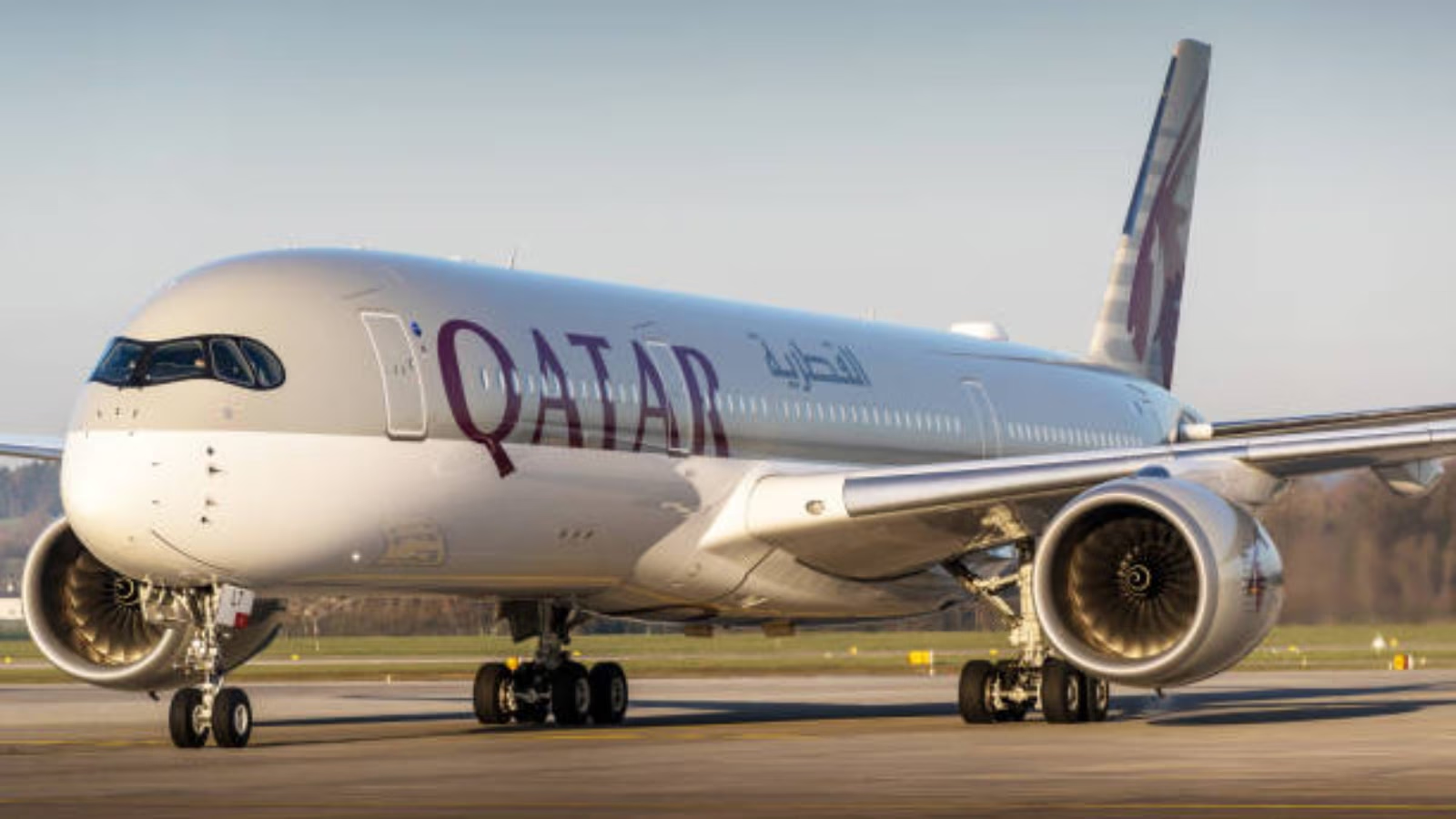
Jayaweera had complied with this policy when booking his ticket on June 23, 2023. Yet, on the day of the flight—reported variably as June 30 or August 1 in different accounts, though court filings confirm June 30—the cabin crew informed him that no vegetarian meals remained available. This revelation came mid-service on the 15.5-hour route, with a layover in Doha, Qatar. The flight, operated by an Airbus A350-1000, departed Los Angeles International Airport (LAX) bound for Hamad International Airport (DOH), en route to Bandaranaike International Airport (CMB) in Colombo.
Read : Passengers Remove Clothes, Faint on Qatar Airways Plane as AC Stops Working in Greece
Witnessed by a travel companion, the meal incident occurred in economy class. The attendant’s directive to “eat around” the meat disregarded Jayaweera’s strict adherence to vegetarianism, potentially rooted in cultural or health reasons common among South Asian passengers. Shortly after beginning to eat, Jayaweera choked, triggering immediate distress. The lawsuit alleges that this was not an isolated error but part of a systemic failure, as the airline did not verify meal pre-orders despite clear booking records. Aviation experts note that meal mismanagement, while rare, can have dire consequences for passengers with allergies, religious dietary laws, or ethical restrictions, amplifying risks in high-altitude, low-oxygen cabin conditions.
The Fatal Choking Incident and Onboard Emergency Response
The choking episode began approximately two and a half hours into the flight, around 02:46 UTC, as the aircraft cruised at 35,000 feet. Dr. Jayaweera, already compromised by age and the physical demands of air travel, inhaled food particles into his lungs while maneuvering around the meat, leading to aspiration—the primary cause of his death via pneumonia. Court documents describe how he gasped for air, his condition worsening as crew members rushed to assist. Oxygen was administered promptly, but his saturation levels plummeted to a critical 69 percent, well below the 88 percent threshold deemed hazardous by medical standards.
Read : Australian Couple Forced to Sit Next to Woman’s Dead Body for 4 Hours on Qatar Airways Flight
The onboard response involved consulting remote medical advisors from MedAire, a standard aviation medical service. Crew members monitored vital signs and attempted basic interventions, including the administration of drugs to stabilize him. However, Jayaweera lost full consciousness by 07:30 UTC, remaining unresponsive for over three hours. The complaint highlights that oxygen therapy proved ineffective, with levels never recovering above 85 percent. This prolonged distress occurred in the aircraft’s galley area, away from immediate access to advanced equipment limited to business or first-class sections on many carriers.
A pivotal contention in the lawsuit centers on the decision not to divert the flight earlier. The pilot informed Jayaweera’s companion that an emergency landing was impossible because the plane was “traveling over the Arctic Circle/Ocean,” implying remote oceanic territory with no nearby airports. Yet, flight tracking data cited in the filing places the aircraft over Wisconsin in the U.S. Midwest at the time—within easy reach of facilities like Chicago’s O’Hare International Airport, just a short detour away. This discrepancy suggests a misjudgment or delay in decision-making, potentially costing precious minutes for ground-based intervention.
Aviation protocols under the International Civil Aviation Organization (ICAO) mandate prioritizing passenger safety, including rapid diversions for life-threatening events, but the crew’s actions here fell short, according to the plaintiff’s attorneys. By 11:00 UTC, with Jayaweera in critical condition, the flight diverted to Edinburgh Airport in Scotland, a decision influenced by the route’s northward path toward Europe.
Upon landing, emergency medical services transported him directly to the Royal Infirmary of Edinburgh. Despite aggressive treatment, including intubation and antibiotics for the ensuing pneumonia, he was pronounced dead on August 3, 2023—four days after the incident. An autopsy confirmed aspiration pneumonia as the cause, directly linking the choking to the meal error. This outcome has fueled accusations of inadequate training for cabin crew in handling dietary-related emergencies and the limitations of onboard medical kits, which lack tools like bronchoscopes for airway obstructions.
Legal Battle and Allegations of Negligence Against Qatar Airways
Surya Jayaweera, the victim’s son and a resident of Southern California, spearheaded the wrongful death suit, seeking unspecified damages for negligence, emotional distress, and loss of companionship. Filed in the U.S. District Court for the Central District of California after removal from state court, the complaint meticulously outlines the timeline, supported by flight manifests, medical logs, and witness statements. It argues that Qatar Airways breached its duty of care by not honoring the meal request, a contractual obligation under booking terms, and by delaying the diversion despite feasible options. The airline’s failure to notify passengers of meal shortages pre-flight or offer alternatives like fruit platters is cited as a preventable oversight.
Qatar Airways has not publicly commented on the specifics of the case, though a spokesperson acknowledged receipt of the complaint without elaboration. The carrier’s legal team, based in Los Angeles, has entered a general denial, contesting the causation between the meal and death while emphasizing crew efforts. However, the suit points to prior incidents involving the airline, such as complaints from passengers with nut allergies who received contaminated meals, suggesting a pattern in special meal handling. In 2019, British passenger Jack Fowler sued Qatar after a severe allergic reaction to nuts served despite warnings, settling out of court and prompting policy reviews.
The case raises broader questions about liability in international aviation. Under the Montreal Convention, airlines are strictly liable for passenger injuries up to about $170,000, with potential for higher awards in negligence claims. Surya’s attorneys argue for punitive damages, claiming the airline’s actions demonstrated “reckless disregard” for safety. Discovery proceedings are underway, including depositions of flight attendants and pilots, with a trial potentially slated for mid-2025. If successful, the ruling could set precedents for stricter enforcement of pre-order systems and mandatory diversion protocols for dietary emergencies.
Dr. Jayaweera’s passing leaves a void in his family; he is survived by son Surya and daughter Ashan (AJ) Jayaweera Chamberlin. An obituary from August 2023 portrays him as a dedicated cardiologist who treated countless patients over decades, known for his compassion and adherence to vegetarian principles. Colleagues remember him as “Jay,” a mentor whose sudden loss reverberates in medical circles.
Implications for Airline Safety and Passenger Rights
This incident exposes vulnerabilities in long-haul flight operations, particularly for vulnerable demographics like seniors, who comprise a growing segment of air travelers—over 20 percent of U.S. passengers are 65 or older, per FAA data. Choking risks escalate at altitude due to lower cabin pressure and dry air, which can impair swallowing reflexes, especially for those with age-related dysphagia. The lawsuit amplifies calls for enhanced crew training on dietary accommodations, including real-time inventory checks via digital systems to prevent shortages.
Regulatory bodies like the FAA and EASA may scrutinize Qatar Airways’ procedures, potentially mandating audits on special meal fulfillment rates, which hover around 95 percent industry-wide but dip lower on high-demand routes to Asia. Advocacy groups, including the Vegetarian Resource Group and AARP, have voiced support for Jayaweera’s family, urging airlines to adopt “no exceptions” policies for pre-orders. In response to similar cases, carriers like Delta and United have piloted apps for meal confirmations 48 hours prior.
For passengers, the takeaway is vigilance: reconfirm special requests at check-in and carry backups like energy bars. This tragedy, while isolated, serves as a stark reminder that what begins as a meal mix-up can end in irreversible loss, demanding accountability from an industry prioritizing efficiency over empathy. As the legal proceedings unfold, the aviation sector watches closely, hoping for reforms that honor commitments to every traveler’s needs.
**mind vault**
mind vault is a premium cognitive support formula created for adults 45+. It’s thoughtfully designed to help maintain clear thinking