
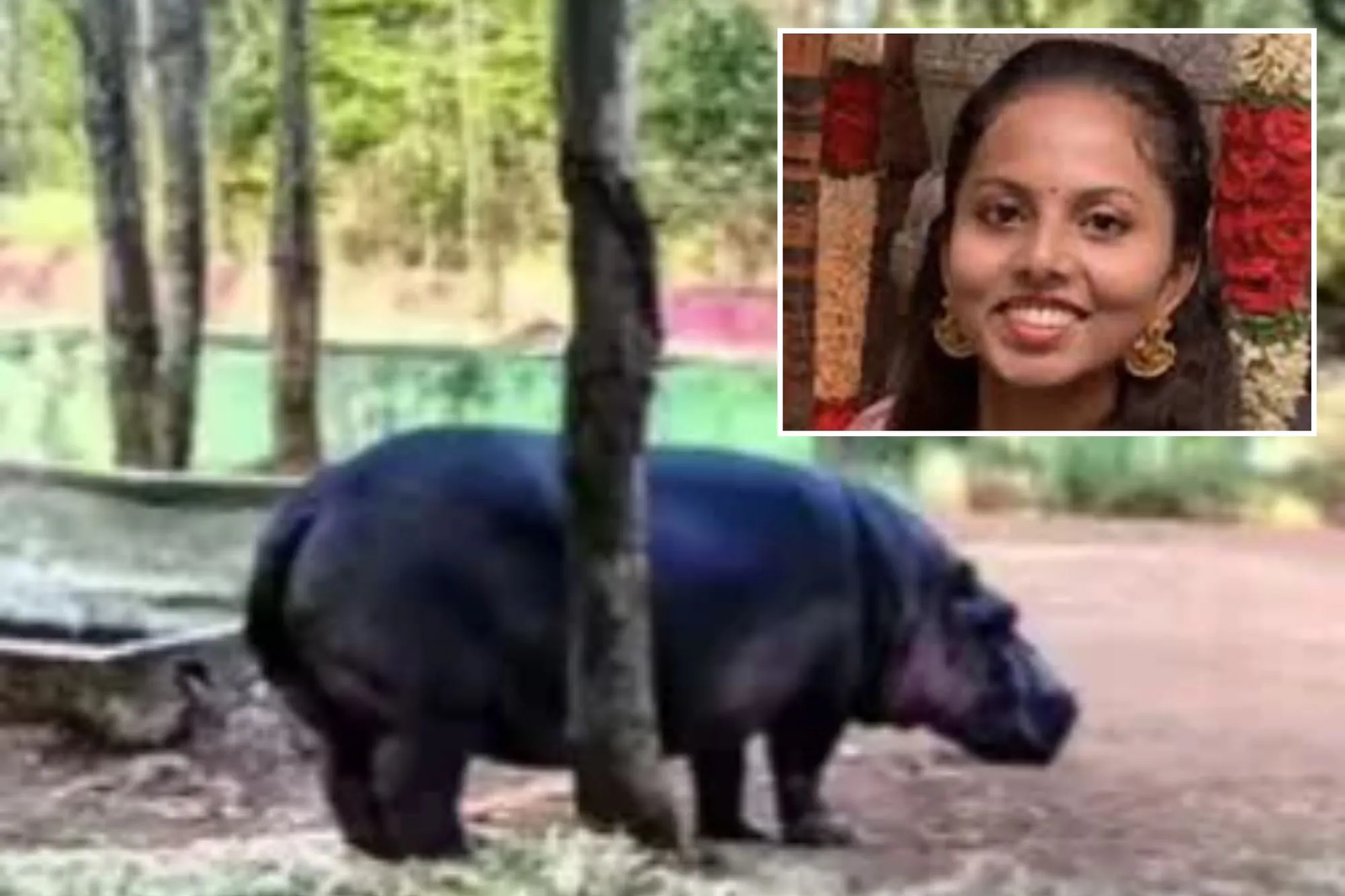
The death of a young trainee veterinarian in southern India has drawn attention to the risks associated with handling large wild animals in controlled environments such as zoos and safaris. Sameeksha Reddy, just 27 years old and at the beginning of her veterinary career, lost her life following a violent encounter with a pregnant hippopotamus at a wildlife facility in Karnataka. The incident, which occurred during what appears to have been an unsanctioned intervention, has led to an official investigation and raised questions about safety protocols, training supervision, and decision-making in high-risk environments.
Reddy had joined the facility as a trainee veterinarian in early February and was still in the early stages of her professional experience. On the night of the incident, she had reportedly been attending to routine duties involving a bird under treatment. However, events took an unexpected turn when she chose to approach a pregnant hippo that had reportedly shown signs of reduced activity and appetite in the preceding days. What followed was a tragic sequence of decisions and circumstances that ultimately led to her fatal injuries.
A Routine Check Turns Into a Fatal Encounter
On the evening of March 19, Sameeksha Reddy was carrying out her assigned duties, which primarily involved administering medication to a sun conure, a small parrot species under veterinary care. Her work required regular attention, including administering antibiotics at fixed intervals. According to accounts from senior staff, her responsibilities did not extend to the care or monitoring of the hippopotamus involved in the incident.
The hippo in question was reportedly pregnant and had not been leaving the water for a few days, which, according to experienced veterinary professionals, is not unusual behavior. Hippopotamuses often remain submerged for extended periods, especially when under stress or during sensitive phases such as pregnancy. Despite this, Reddy appeared to have grown concerned about the animal’s condition and decided to take further action.
Without formal authorization or instruction, she reportedly proceeded toward the enclosure housing the animal. In an attempt to assess the hippo’s health, she used a thermal scanning device to check its temperature. However, the situation escalated when she sought to get physically closer to the animal. Reports indicate that she asked a driver to help secure a ladder, allowing her to enter the enclosure.
The assumption that the hippo would remain submerged in the water may have influenced her decision. However, such assumptions can be highly dangerous when dealing with large and unpredictable wildlife. At some point during the attempt, the animal reacted, shaking the ladder and causing Reddy to lose her balance and fall into the enclosure’s water body. Once in the water, she became vulnerable to the animal’s attack.
Read : Why Over-Boiling Milk Tea is Harmful to Health
Hippopotamuses are known to be among the most aggressive large animals in the world, especially when they feel threatened or are protecting their territory or offspring. The pregnant state of the animal may have further heightened its defensive instincts. The attack that followed was severe, leaving Reddy with critical injuries. She was immediately rushed to a nearby hospital, but despite medical efforts, she succumbed to her injuries the following morning. Her death has since been described as both tragic and preventable, prompting a closer examination of the circumstances that led to the incident.
Questions Over Training, Supervision, and Safety Protocols
In the aftermath of the incident, attention has turned to the protocols in place at the wildlife facility and whether adequate measures were followed or enforced. Senior officials and staff members have stated that Reddy had not been assigned to handle or examine the hippopotamus. This has raised concerns about how a trainee was able to access a high-risk enclosure without explicit authorization or supervision. Veterinary training, particularly in environments involving wild animals, typically includes strict guidelines regarding safety and chain of command.
Read : Man Arrested After Climbing into Viral Hippo Moo Deng’s Enclosure at Khao Kheow Open Zoo
Trainees are expected to operate under the supervision of experienced professionals and are usually restricted from handling dangerous animals independently. In this case, it appears that those safeguards may not have been sufficiently enforced or clearly communicated. Statements from senior veterinary staff suggest that trainees had been briefed on the nature and behavior of hippopotamuses, including their tendency to remain in water and their potential for aggression. However, the decision to enter the enclosure indicates either a lapse in judgment or a possible gap in understanding the risks involved.
Another point of concern is the physical accessibility of the enclosure. The fact that a ladder could be used to gain entry raises questions about the security measures in place to prevent unauthorized access. In facilities that house dangerous animals, enclosures are typically designed to minimize direct human contact unless absolutely necessary and conducted under controlled conditions. Additionally, there remains uncertainty about whether anyone else was aware of or involved in the decision to approach the hippo.
Officials have indicated that they are still investigating whether any staff member directed or permitted Reddy to enter the enclosure. If such authorization was given, it would point to a more systemic issue rather than an isolated lapse in judgment. The incident has also highlighted the importance of clear communication and documentation in workplace environments where safety risks are high. Trainees must not only be instructed on what to do but also on what not to do, with strict consequences for deviations from protocol. The lack of immediate clarity surrounding the chain of events suggests that procedures may not have been as robust or enforceable as required.
Investigation and Broader Implications for Wildlife Facilities
Following the fatal incident, authorities ordered an official investigation to determine the exact sequence of events and identify any lapses in protocol or accountability. The findings of this inquiry are expected to play a crucial role in shaping future safety measures and operational guidelines at the facility. Government officials have expressed their commitment to supporting the victim’s family and ensuring that steps are taken to prevent similar incidents. This includes reviewing existing safety procedures, reinforcing training protocols, and potentially implementing stricter access controls to high-risk enclosures.
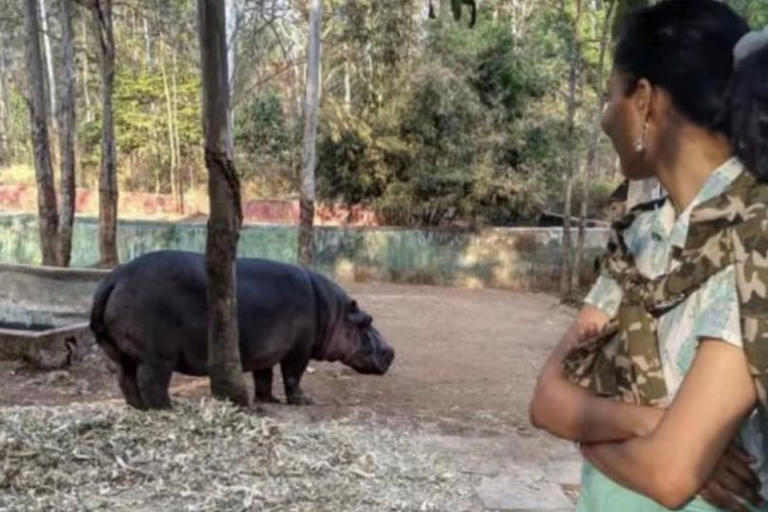
The case also serves as a broader reminder of the inherent risks involved in working with wild animals, even within controlled environments. Zoos and wildlife parks often balance conservation, education, and research responsibilities, but they also carry the obligation to ensure the safety of their staff and visitors. Incidents like this underscore the need for continuous evaluation and improvement of safety standards.
For veterinary professionals, especially those in training, the incident highlights the importance of adhering strictly to established guidelines and recognizing the limits of one’s authority and experience. While initiative and concern for animal welfare are important qualities, they must be exercised within the framework of safety and supervision. There is also a need for institutions to foster an environment where trainees feel comfortable seeking guidance rather than acting independently in uncertain situations.
Clear hierarchies, accessible supervision, and well-defined responsibilities can help reduce the likelihood of such tragic outcomes. In the context of wildlife management, the behavior of animals must always be treated as unpredictable. Even seemingly passive or inactive animals can react suddenly when they perceive a threat. This is particularly true for species like hippopotamuses, which are known for their territorial nature and powerful physical capabilities.
The death of Sameeksha Reddy has not only brought grief to her family and colleagues but has also sparked a critical conversation about safety, responsibility, and the complexities of working with wildlife. As the investigation continues, its findings will likely influence policy changes and reinforce the importance of vigilance and discipline in high-risk professions. The incident stands as a sobering example of how quickly situations can escalate when caution is compromised, and it underscores the need for unwavering adherence to safety protocols in environments where the margin for error is minimal.