
The sudden absence of giant pandas from Japan has created an emotional and cultural void, particularly in Wakayama Prefecture, where the animals were central to the identity of Adventure World amusement park and zoo. After the final four pandas housed at the park were returned to China in June 2025, staff were faced with the challenge of maintaining public engagement while acknowledging the end of a decades-long chapter in panda conservation and exchange.
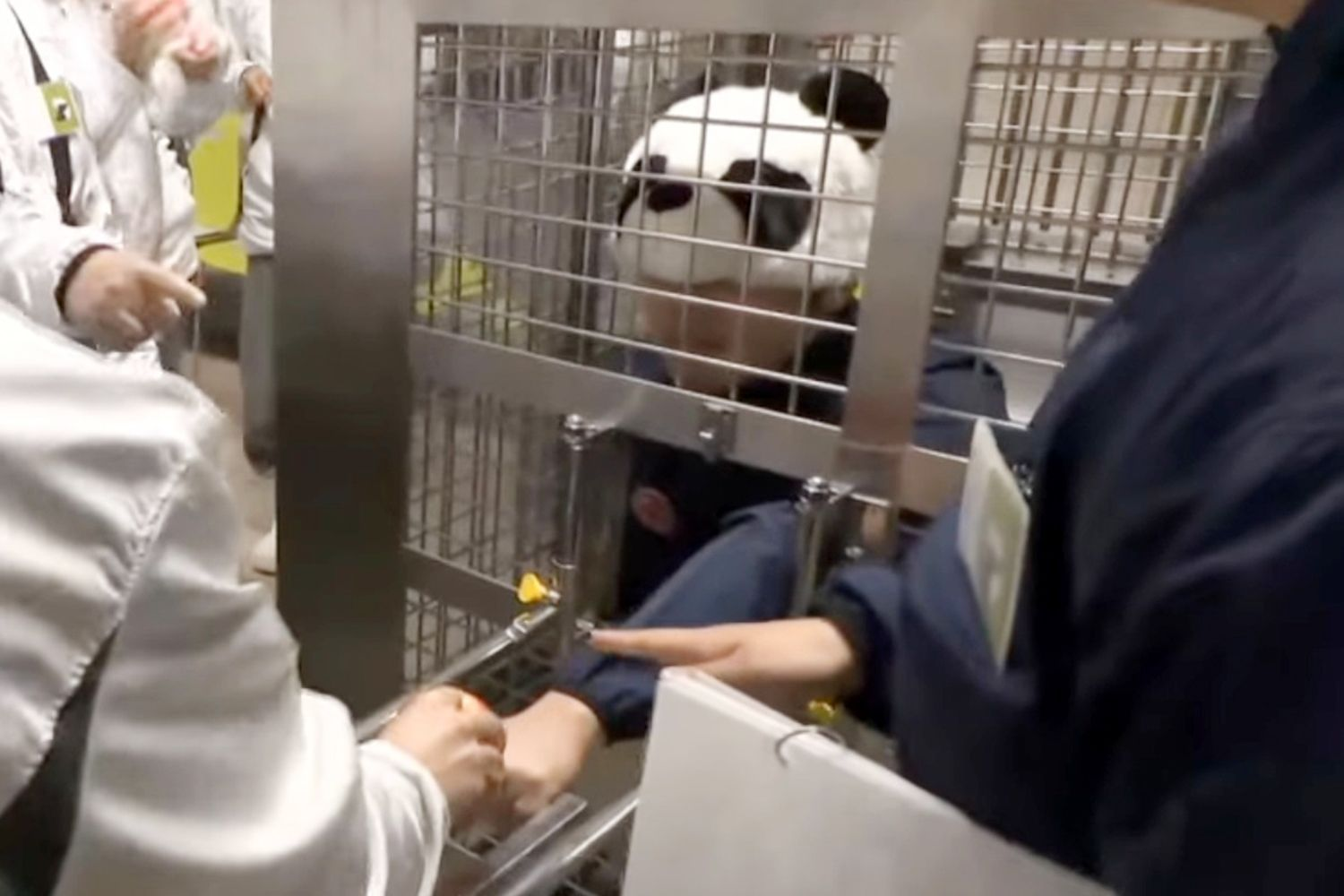
Their response has been unconventional and symbolic: zoo employees now don panda-themed headgear and take part in an interactive visitor experience that recreates panda care in an imaginative way. The initiative reflects not only the deep affection Japan holds for the species, but also the broader geopolitical and cultural context surrounding the departure of the country’s last pandas.
The program, known as the “Panda Love Club,” allows visitors to step into a simulated version of panda care while also reversing traditional zoo roles. Instead of animals being fed by humans, visitors offer apple slices to staff members dressed as pandas, creating an experience that blends performance, education, and tribute. While unusual in format, the attraction has drawn attention for how it addresses loss, continuity, and public fascination with one of the world’s most beloved animals.
The Panda Love Club and a Creative Response to Absence
Adventure World, located in Shirahama in Wakayama Prefecture south of Osaka, has long been synonymous with giant pandas. For more than 30 years, the park was deeply involved in the protection, breeding, and care of the species in collaboration with Chinese conservation authorities. Over that period, pandas became one of the park’s defining attractions and a significant draw for domestic and international tourism. Their departure marked not just the loss of animals, but the end of a relationship that shaped the park’s identity.
In response, Adventure World introduced the Panda Love Club, an experience priced at 8,000 yen, or roughly $50, for a 90-minute session. Participants dress in zookeeper attire and engage in activities designed to mimic real animal care. These include preparing meals, observing behavior, filling out daily reports, and inspecting exercise areas for safety. The structure mirrors authentic routines used in professional panda care, emphasizing the labor and responsibility involved in maintaining animal welfare.
The most striking element of the experience comes later, when participants are invited to feed apple pieces to staff members who are enclosed and wearing black-and-white panda face hats. This role reversal has attracted widespread attention, not only for its novelty but for its symbolism. By placing humans in the position of the panda, the attraction underscores the bond between caretakers and animals, while also acknowledging the absence of the real bears.
Read : Exploring the Majestic Beauty of Waterton Lakes National Park
According to statements cited by British newspaper The Times, the park describes the attraction as a way for visitors to learn about the relationship between pandas and their care staff, as well as to understand the importance of passing on the lives and legacy of giant pandas to the future. Rather than attempting to replace the animals directly, the experience functions as a commemorative and educational substitute that keeps panda-related knowledge and affection alive within the park.
Japan’s Long Relationship With Pandas and the End of an Era
Japan’s association with giant pandas dates back more than half a century. Since 1972, when China first gifted pandas to Japan, the animals have held a unique place in the country’s popular culture. Their arrival was often celebrated as a symbol of goodwill and diplomatic cooperation, drawing massive crowds and media attention. Over the decades, pandas became fixtures at major zoos, particularly Adventure World in Wakayama and Ueno Zoo in Tokyo.
According to reports, China has gifted or lent more than 30 pandas to Japan since the early 1970s. These exchanges were part of what has commonly been described as panda diplomacy, a practice in which China loans the animals to other nations as gestures of friendship or strategic partnership. Under the terms of these agreements, pandas typically remain the property of China and are returned at the conclusion of the loan period.
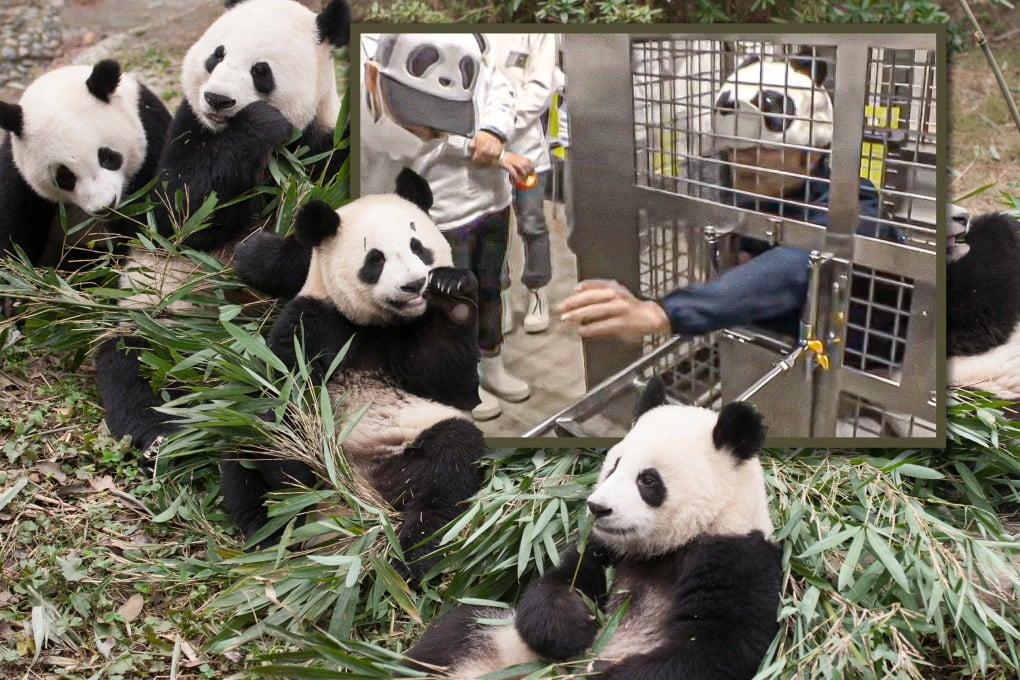
The four pandas at Adventure World were returned to China in June 2025, leaving only two pandas remaining in Japan: twins Xiao Xiao and Lei Lei at Ueno Zoo in Tokyo. Their scheduled return to China later in January will mark the first time Japan has been without pandas since their initial arrival more than five decades ago. According to The Times and the South China Morning Post, there are currently no plans to replace the departing pandas, signaling a definitive pause in the country’s long-running panda chapter.
The absence has already had visible effects. Adventure World has reportedly seen a sharp drop in visitor numbers since the pandas left, underscoring how central the animals were to tourism in the region. Images of the park appearing unusually quiet circulated widely, highlighting the economic and emotional impact of the departure. In this context, the Panda Love Club functions as both a practical effort to attract visitors and a symbolic gesture that acknowledges the animals’ significance.
Diplomacy, Culture, and the Broader Context of the Panda Departures
The return of pandas from Japan to China is taking place against a backdrop of increasingly strained relations between the two countries. According to reporting by The Times, recent tensions have included Beijing suspending certain food imports from Japan, blocking Japanese pop music, and canceling concerts by Japanese performers. While panda loans are governed by formal agreements and timelines, their conclusion has inevitably been interpreted within this wider political context.
Pandas have long served as soft-power instruments for China, embodying cultural diplomacy through their global appeal. Reuters has noted that the animals are often loaned to countries with which China seeks to strengthen or maintain positive relations. Their return at the end of loan agreements is standard practice, but the absence of renewal or replacement can carry symbolic weight, particularly in countries where pandas are deeply beloved.
In Japan, pandas have transcended their role as zoo animals to become cultural icons, frequently featured in merchandise, media, and advertising. Their gentle appearance and rarity contributed to a sense of collective affection that extended beyond zoological interest. The prospect of a panda-free Japan, even temporarily, represents a cultural shift that resonates with the public.
Adventure World’s decision not to introduce a direct animal replacement reflects this sensitivity. Rather than substituting pandas with another species, the park has chosen to focus on remembrance, education, and creative engagement. The Panda Love Club, while unconventional, aligns with this approach by emphasizing human participation and storytelling over spectacle.
As January approaches and Japan prepares for its first month without pandas since 1972, the attraction at Adventure World stands as a reminder of how deeply intertwined the animals have been with the nation’s cultural landscape. The initiative captures a moment of transition, balancing nostalgia with adaptation, and highlighting how institutions respond when a defining presence disappears.
**mitolyn reviews**
Mitolyn is a carefully developed, plant-based formula created to help support metabolic efficiency and encourage healthy, lasting weight management.