
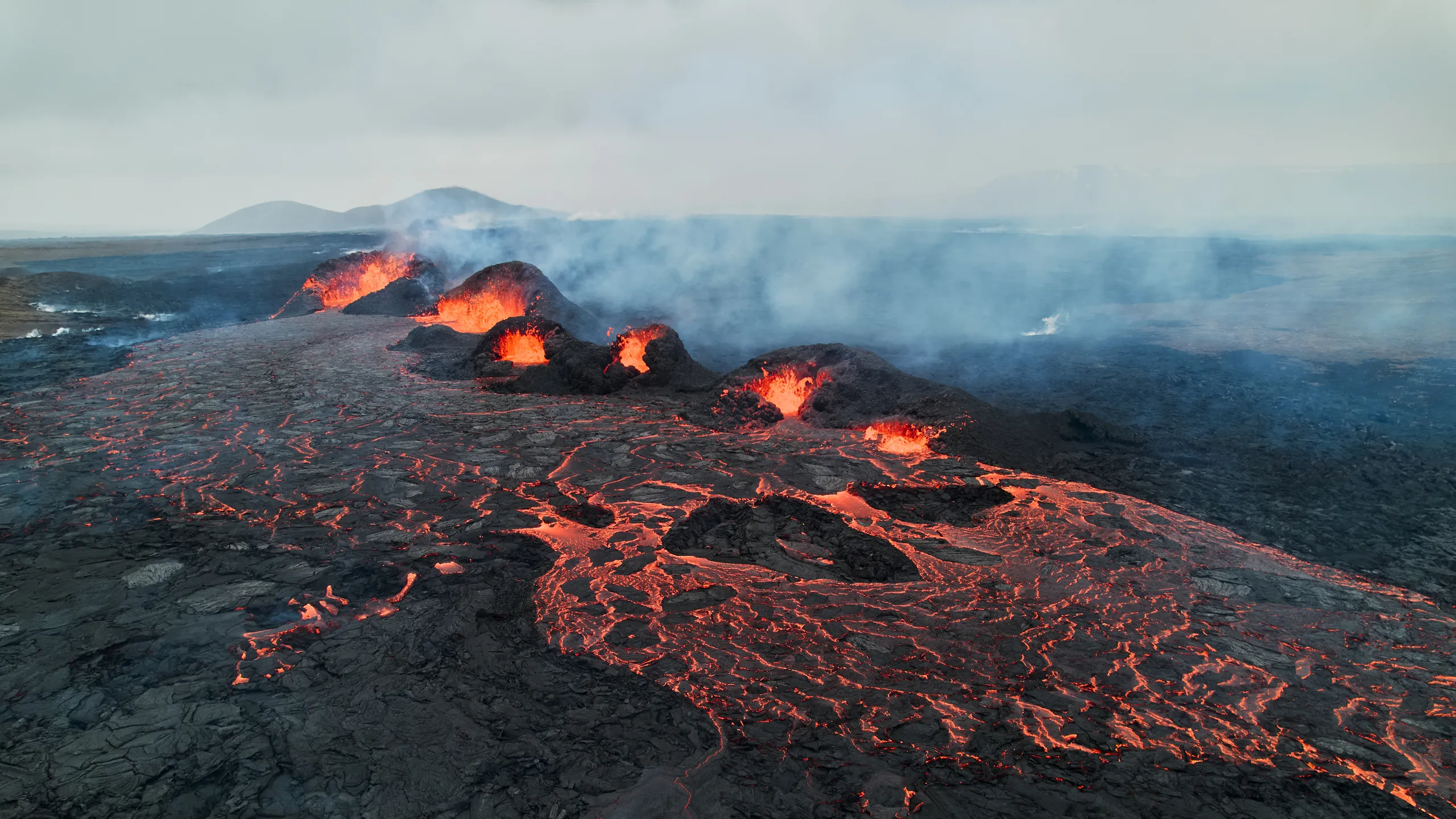
Iceland, a land of fire and ice, has witnessed an unprecedented series of volcanic eruptions that have dramatically reshaped its southwestern region. After remaining dormant for 800 years, a volcano near the famous Blue Lagoon spa erupted in December of last year, marking the beginning of a volcanic cycle that has seen seven eruptions in just 11 months.
The latest eruption, occurring on a Wednesday night, sent rivers of molten lava towards the geothermal spa and surrounding areas, causing panic among tourists and residents alike.
While the spectacle of nature’s fury draws global attention, it also underscores the challenges faced by local communities and the resilience required to navigate such unpredictable forces.
The Eruption: A Sudden Display of Power
The latest eruption near the Blue Lagoon occurred at 11:14 PM local time, catching many off guard. With little warning, the earth split open, creating nearly three kilometers of fissures from which molten lava spewed forth.
By Thursday morning, the lava had reached the parking lot of the Blue Lagoon, one of Iceland’s most popular tourist destinations. The spa, known for its milky-blue geothermal waters, became an eerie backdrop to the fiery display, with visitors hurriedly evacuated as the lava advanced.
This eruption was less intense than the previous ones in May and August, according to Magnús Tumi Guðmundsson, a professor of geophysics. However, the sight of lava flowing towards inhabited areas remains a powerful reminder of Iceland’s volatile geology.
Read : Iceland’s Economy Boomed After Introducing Four-Day Workweek
While no casualties were reported, the incident highlighted the need for constant vigilance and preparedness in a country that sits atop the highly active Mid-Atlantic Ridge.
🚨🇮🇸#BREAKING | ICELAND
— Todd Paron🇺🇸🇬🇷🎧👽 (@tparon) November 21, 2024
ERUPTION IN GRINDAVIK VOLCANO LAVA FLOWING
HELICOPTER VIEW AMAZING FOOTAGE 🇮🇸🔥 pic.twitter.com/3KDTb8tLZG
The lava flow also posed a significant threat to infrastructure. The pipeline supplying hot water for heating was directly in its path, but officials reassured the public that the system had been built to withstand such challenges. Nevertheless, the rapid succession of eruptions raises concerns about the long-term impact on essential services and the region’s economy.
Impact on Grindavík and the Local Community
Grindavík, a small town located about 50 kilometers southwest of Reykjavik, has borne the brunt of these volcanic eruptions. Home to around 3,800 residents before the volcano reawakened, the town has faced repeated evacuations and significant damage to infrastructure and property. The eruptions have forced most residents to relocate, leaving behind a community grappling with uncertainty.
During the latest eruption, emergency services rescued residents from around 50 houses, along with guests at the Blue Lagoon. The evacuation process has become all too familiar for the people of Grindavík, who live in constant fear of the next eruption. The town’s proximity to the volcano makes it particularly vulnerable, and each eruption brings with it the potential for further destruction.
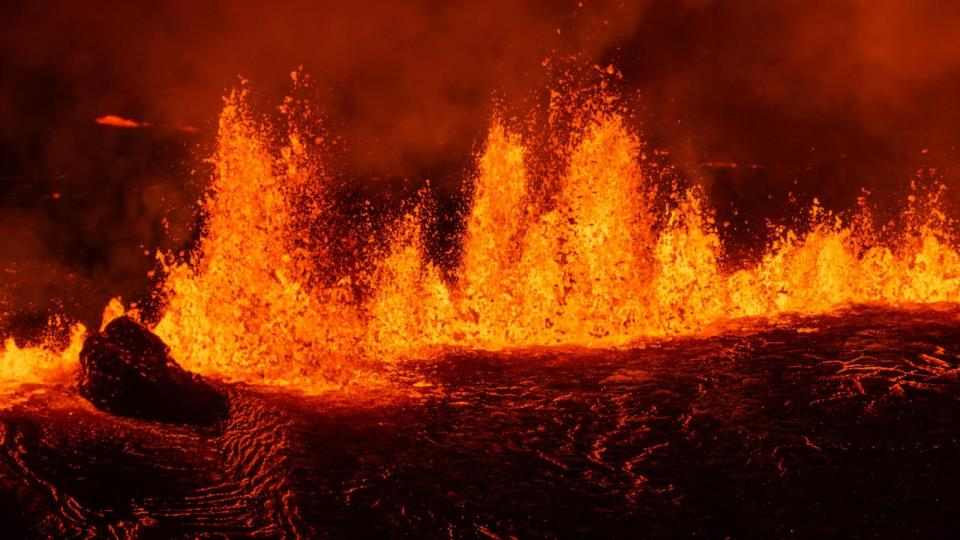
Despite these challenges, the community has shown remarkable resilience. Local authorities have implemented comprehensive emergency plans, and residents have adapted to the reality of living in an active volcanic zone.
However, the psychological toll of repeated evacuations and the loss of homes and livelihoods cannot be underestimated. For many, the eruptions have shattered the sense of stability that once defined their lives.
The economic impact is also significant. Grindavík and the surrounding region rely heavily on tourism, with the Blue Lagoon being a major draw for visitors from around the world.
The ongoing volcanic activity has disrupted tourism, affecting businesses and livelihoods dependent on the steady flow of tourists. Rebuilding and recovery efforts will require substantial investment, and the region’s long-term economic future remains uncertain.
Understanding Iceland’s Volcanic Activity: A Geological Perspective
Iceland’s unique geology makes it one of the most volcanically active places on Earth. The island sits atop the Mid-Atlantic Ridge, where the Eurasian and North American tectonic plates meet.
This geological setting creates a hotbed of volcanic activity, with eruptions occurring regularly. However, the recent series of eruptions near the Blue Lagoon is unusual in its frequency and intensity.
The volcano had been dormant for 800 years before it erupted in December last year, marking the beginning of a new phase of activity. Since then, the region has experienced seven eruptions in just 11 months—a pattern that geologists are closely monitoring.
Magnús Tumi Guðmundsson and other experts believe that this could be the start of a prolonged period of volcanic activity, similar to those seen in other parts of Iceland’s history.
The eruptions have not posed a threat to air travel, unlike the infamous 2010 Eyjafjallajökull eruption, which caused widespread disruption to flights across Europe. However, officials have warned about the dangers of gas emissions, which can pose health risks to those in the vicinity.
Monitoring and early warning systems are crucial in mitigating these risks, and Iceland’s meteorological office plays a key role in providing real-time information to residents and authorities.
Volcanic eruptions are a natural part of Iceland’s landscape, and the country has developed robust infrastructure and emergency protocols to deal with them.
However, the recent activity near the Blue Lagoon serves as a reminder of the unpredictability of nature and the need for ongoing vigilance. As scientists continue to study the region’s geological patterns, the hope is that improved forecasting and preparedness can help minimize the impact of future eruptions.
The series of volcanic eruptions near Iceland’s Blue Lagoon is more than just a geological event—it’s a test of resilience for the local community and a reminder of the powerful forces that shape our world. For the residents of Grindavík and the visitors who flock to the region’s natural wonders, the eruptions have brought both awe and anxiety.
As Iceland navigates this challenging period, the spirit of resilience and adaptability will be crucial. The volcanic activity underscores the importance of preparedness and the need for continued investment in infrastructure and emergency response systems. For now, the world watches as the land of fire and ice continues to evolve, shaped by the same forces that have defined it for centuries.