
On a winter evening marked by light snowfall and typical peak-season conditions, a fatal accident occurred at Welch Village ski area near Red Wing, Minnesota, resulting in the death of 25-year-old Walker Phenix Nelson of Minneapolis. The incident, which took place on February 1 at approximately 8:30 p.m., has drawn attention within the local skiing community and prompted reflection on safety considerations at ski resorts across the region. Nelson’s death was confirmed by his family and later detailed through official statements from emergency responders and resort management, as well as in his obituary, which highlighted both his personal life and professional achievements.
Welch Village, a long-established ski area located south of Red Wing, was operating under normal conditions at the time of the accident. According to reports, Nelson struck a chairlift tower while skiing, sustaining injuries that proved fatal. Emergency personnel responded promptly, but despite their efforts, he did not survive. The tragedy unfolded during what many would consider an ideal evening for skiing, underscoring the inherent risks associated with winter sports even when conditions appear favorable.
Nelson was a Twin Cities native with strong ties to Minneapolis and a career in the city’s arts and entertainment scene. His passing has been felt not only by his family and friends but also by colleagues and community members who knew him through his work and shared interests. As details emerged in the days following the accident, attention focused on both the circumstances of the incident and the life of the young man who lost his life.
Details of the Incident at Welch Village
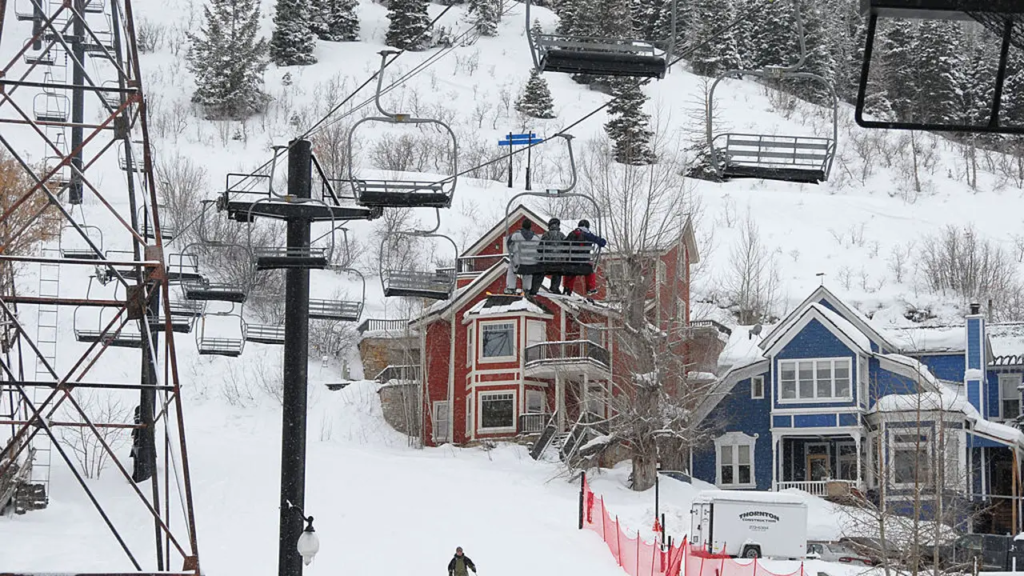
The Red Wing Fire Department reported that the accident occurred at around 8:30 p.m. on February 1 at Welch Village ski area. Nelson was skiing on one of the resort’s slopes when he collided with a lift tower. Chairlift towers are fixed structures that support aerial lift systems, and while they are typically padded and clearly marked, they remain immovable hazards on ski runs. Collisions with such structures, though rare, can result in severe injuries due to the speed and force involved.
At the time of the incident, light snow was falling, and visibility was consistent with evening skiing conditions. There has been no indication from officials that weather played a direct role in the collision, nor have authorities released details suggesting equipment failure or violations of resort policies. The available information points to an isolated accident rather than a broader operational issue at the ski area.
Welch Village’s president and general manager, Peter Zotalis, addressed the incident in a statement released to the Minnesota Star Tribune on February 9. In his remarks, Zotalis expressed gratitude to the ski patrol, mountain staff, and emergency services for their swift response to the scene. He also asked for continued prayers and support for Nelson’s family, reflecting the resort’s acknowledgment of the loss and the impact on those affected.
Read : Skier Dies After Fall on Dropout 2 Expert Run at California’s Mammoth Mountain
Ski patrol teams are trained to respond quickly to on-slope accidents, providing immediate medical assistance and coordinating with local emergency responders. In this case, personnel arrived promptly, but the severity of Nelson’s injuries ultimately proved fatal. The incident highlights the importance of rapid response systems at ski resorts while also illustrating their limitations when injuries are catastrophic.
Read : Filmmaker Morgan Spurlock, Who Ate McDonald’s for a Month, Dies at the Age of 53
Welch Village, like many ski areas in Minnesota, serves a wide range of skiers, from beginners to experienced enthusiasts. The resort has operated for decades and is known for its variety of runs and family-oriented atmosphere. Fatal accidents are uncommon, making this incident particularly significant for the resort and the surrounding community.
Walker Phenix Nelson’s Life and Career
Walker Phenix Nelson was born and raised in Minneapolis and attended Minneapolis South High School. He later graduated from the University of Oregon, an academic path that took him beyond Minnesota before he ultimately returned to the Twin Cities. His education and experiences contributed to a career that blended creativity, marketing expertise, and a deep engagement with music and live entertainment.
At the time of his death, Nelson was working as the marketing director for Skyway Theater in downtown Minneapolis. The venue is a prominent fixture in the city’s music scene, hosting a range of concerts and events that attract both local and national audiences. In his role, Nelson was responsible for promoting shows, shaping the theater’s public image, and connecting artists with audiences. Colleagues described him as dedicated to his work and passionate about music, qualities that were reflected in the theater’s ongoing presence in the competitive entertainment market.

Nelson’s obituary offered a more personal glimpse into his life, emphasizing the close bonds he shared with his family and the influences that shaped his interests. It noted that he loved his childhood home deeply, even having the house number tattooed on his chest, a gesture that symbolized his attachment to family and place. Growing up surrounded by albums, he developed a strong appreciation for music, following in his father’s footsteps. At the same time, he was known for his sense of fashion, an interest attributed to his mother’s influence.
These details painted a picture of a young man with a multifaceted identity, combining professional ambition with personal passions. Friends and family remembered him not only for his career achievements but also for his enthusiasm for skiing and other activities he enjoyed in his free time. The obituary’s statement that he “died as he lived, doing what he loved” captured the family’s perspective on his passing, framing the tragedy within the context of an active and engaged life.
Nelson’s connection to skiing was part of a broader appreciation for outdoor recreation, a common thread among many Minnesotans who embrace winter sports as a seasonal tradition. For him, skiing was not merely a pastime but an activity that aligned with his love of movement, challenge, and the natural environment.
Safety Considerations and Community Response
The death of a young skier at a well-known resort inevitably raises questions about safety, risk management, and the measures in place to protect participants. Skiing, while widely enjoyed, carries inherent dangers due to speed, terrain variation, and fixed obstacles such as trees, snowmaking equipment, and lift infrastructure. Resorts mitigate these risks through trail design, signage, padding on structures, and skier education, but they cannot eliminate them entirely.
Read : Female Skier Mauled by Snow Leopard After Approaching It to Take a Photo
In the aftermath of Nelson’s death, there has been no public indication of changes to Welch Village’s operations or safety protocols directly tied to the incident. This suggests that the accident is being treated as an isolated event rather than a systemic failure. Nonetheless, such tragedies often prompt internal reviews at ski areas, as well as renewed emphasis on skier responsibility and awareness.
The broader skiing community in Minnesota and the Upper Midwest has responded with sympathy for Nelson’s family and recognition of the loss. Ski resorts and recreational organizations often emphasize the importance of following posted guidelines, maintaining control at all times, and skiing within one’s ability level. Evening skiing, in particular, presents additional challenges due to reduced visibility and changing snow conditions, even under light snowfall.
Emergency response plays a critical role when accidents occur, and the swift action of ski patrol and local fire departments is a key component of resort safety. In this case, officials acknowledged the professionalism and speed of those who responded, even as they recognized the limitations of emergency intervention in the face of severe trauma.
For Nelson’s family and friends, the focus has remained on honoring his memory rather than assigning blame or seeking explanations beyond what is already known. Public statements have centered on his life, his passions, and the impact he had on those around him. The community response reflects a balance between acknowledging the risks associated with skiing and respecting the personal loss experienced by those closest to him.
As winter sports continue to be a central part of life in Minnesota, incidents like this serve as reminders of the importance of vigilance, preparation, and respect for the sport’s inherent risks. At the same time, they underscore the reality that even experienced and enthusiastic participants can be vulnerable to sudden and tragic accidents.