

Wayne Wolff, a 58-year-old man from Southern California, sought treatment for a routine knee surgery at the University of California Irvine (UCI) Medical Center. Instead of finding relief for his knee pain, he suffered an unimaginable tragedy that led to the amputation of his lower leg.
The lawsuit filed by Wayne and his wife, Lisa Wolff, against the University of California Board of Regents sheds light on the alleged negligence, abuse, and distress inflicted upon them. The case has sparked widespread concern over medical malpractice and patient safety, highlighting the importance of accountability in healthcare.
The Surgery and Its Immediate Aftermath
In November 2023, Wayne Wolff was diagnosed with a left medial meniscus tear and mild knee arthritis. His surgeon, Dr. Dean Wang, an orthopedic specialist at UCI Medical Center, recommended knee surgery to address the condition. On April 3, 2024, Wayne underwent a two-and-a-half-hour procedure that resulted in severe complications.
During the operation, Dr. Wang allegedly severed the popliteal artery, a crucial blood vessel supplying blood to the lower leg. However, Wang initially informed Lisa that he had only “nicked a vein,” downplaying the severity of the injury and misrepresenting the extent of blood loss.
According to the lawsuit, Wayne Wolff lost about one liter of blood, nearly one-fifth of the average human body’s total blood supply. However, Wang allegedly told Lisa that the blood loss amounted to only 200 to 250 milliliters. The Wolffs claim this misinformation prevented immediate corrective action, leading to further complications in Wayne’s recovery.
Read : Body of Amputee Father Found Near Disabled Son’s Bed: Both Lost Their Lives in Los Angeles Wildfire
Following the surgery, Wayne experienced excruciating pain that was unrelieved by strong pain medications, including fentanyl, oxycodone, dilaudid, and ketamine.
Read : Journey Through Jordan: Exploring its Top Travel Destinations
Despite Lisa’s extensive experience as a former emergency room nurse, her concerns about the severity of his pain were repeatedly dismissed by medical staff. She urged doctors to perform scans to determine the underlying cause, but her requests were ignored.
Negligence, Delayed Response, and Cover-Up Allegations
As Wayne Wolff’s pain intensified, he began losing sensation in his foot. A doctor and a nurse noted the absence of a pulse in his foot, raising red flags. When Dr. Wang was informed, he personally checked and confirmed that no pulse was detectable.
Despite these alarming findings, Wang allegedly downplayed the situation and failed to take immediate corrective measures. Instead, he left for a two-day medical conference, leaving Wayne in worsening condition without proper medical intervention.
Lisa’s persistent efforts to advocate for her husband were met with resistance. When a doctor finally ordered an ultrasound to assess the blood flow in Wayne’s leg, Wang allegedly canceled the test within 30 minutes.
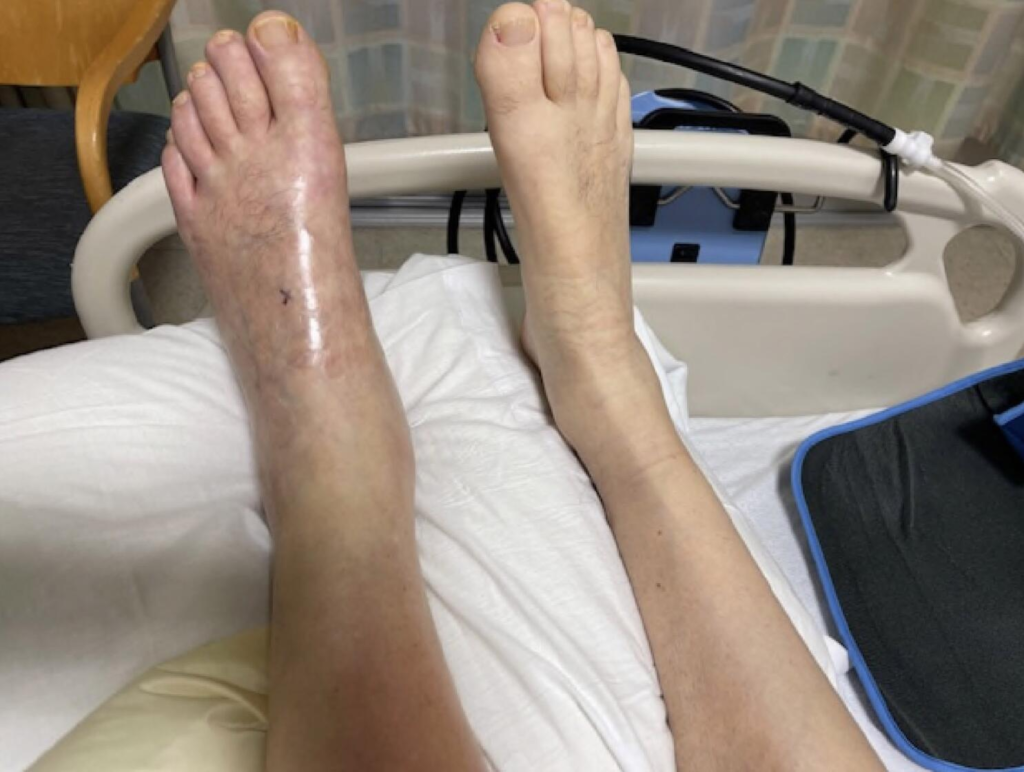
The situation escalated when hospital staff threatened Lisa with security intervention if she did not leave her husband’s room. Feeling helpless, she continued to push for further evaluations, but her pleas went unanswered. Upon Wang’s return, he performed another surgery, claiming that Wayne had developed a blood clot in his artery and that amputation might be necessary.
However, a vascular surgeon who later operated on Wayne Wolff discovered that the issue was not a blood clot but rather a severed popliteal artery. This revelation indicated that Wayne’s lower leg had been deprived of blood flow since the initial surgery, ultimately leading to tissue death and necessitating amputation.
The lawsuit alleges that Wang deliberately misled Lisa and failed to provide Wayne with the necessary medical care that could have saved his leg.
It further states that a simple imaging test, such as an ultrasound, would have revealed the source of Wayne’s pain and prevented the need for amputation. Instead, Wang’s alleged negligence and reckless actions resulted in irreversible damage.
Legal Battle and Implications for Medical Accountability
Wayne Wolff and Lisa Wolff are now suing the University of California Board of Regents for abuse, negligence, loss of consortium, and emotional distress.
Their lawsuit argues that the medical team at UCI Medical Center failed to uphold the standard of care, leading to Wayne’s life-altering injury. Attorney Jeoffrey Robinson, representing the Wolffs, has emphasized the need for accountability to ensure that such incidents never happen again.
The case has sparked discussions on medical malpractice and patient rights. Hospitals and medical professionals have a duty to provide accurate information to patients and their families.
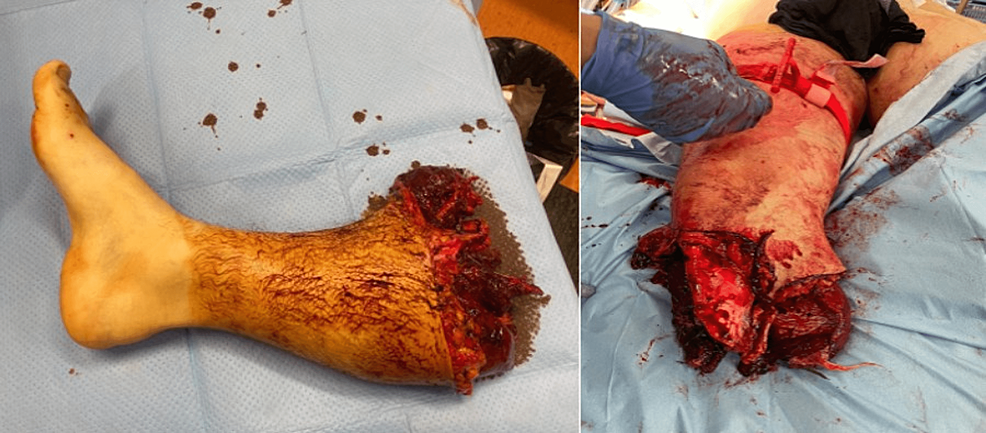
When a medical error occurs, transparency and timely corrective action are crucial in preventing further harm. The lawsuit also raises questions about the hospital’s internal policies and the oversight mechanisms in place to address potential negligence.
Wayne Wolff’s amputation has had a profound impact on his life, leaving him physically and emotionally devastated. The lawsuit describes the immense suffering he endured, not only from the botched surgery but also from the prolonged pain and neglect he experienced in the days that followed.
Lisa, too, has suffered emotional distress, witnessing her husband’s agony and feeling powerless to protect him from medical negligence.
As the legal proceedings unfold, the case will likely set a precedent for similar medical malpractice claims. It serves as a reminder of the importance of patient advocacy, the need for medical professionals to listen to their patients, and the consequences of failing to act in a timely and ethical manner.
Medical institutions and healthcare providers must learn from such cases to improve patient safety and prevent future tragedies. The Wolffs’ story is a painful testament to the devastating effects of medical negligence, and their fight for justice is a crucial step toward holding the responsible parties accountable.