

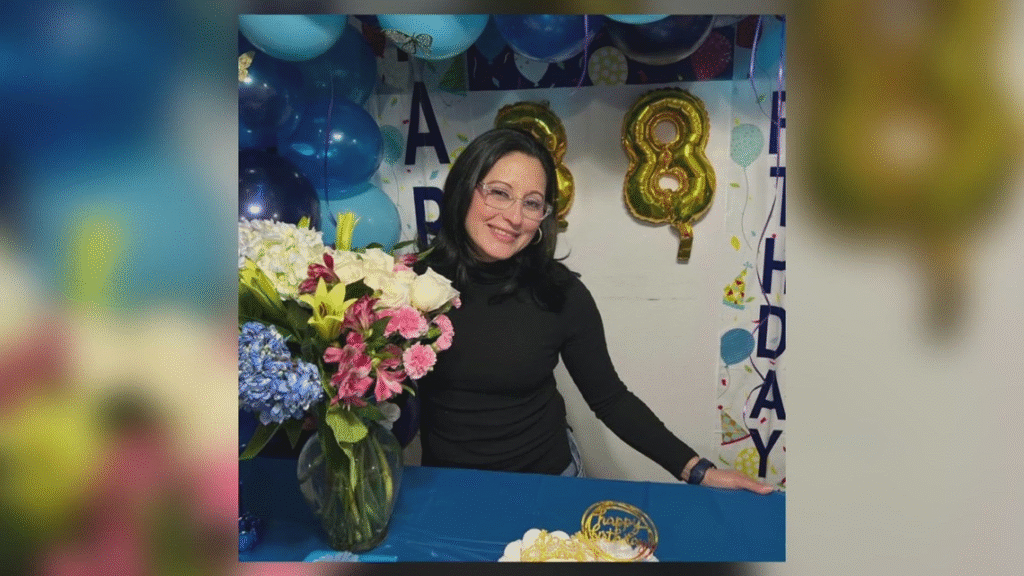
Wendy Brito, a mother of three and asylum seeker from El Salvador, recently found herself in a distressing situation after attending a routine check-in with Immigration and Customs Enforcement (ICE). What should have been a standard procedure for an individual living in the U.S. under asylum status turned into a nightmare for Brito and her family.
Detained far from her home and without clear answers about her fate, Wendy’s case highlights the increasing severity of immigration enforcement under the Trump administration, especially as the administration signals fast-tracking asylum denials. This blog delves into Wendy Brito’s case, its implications, and the broader picture of asylum seekers facing uncertain futures in the United States.
Wendy Brito’s Detention: A Family’s Despair
Wendy Brito had been living in the United States for 15 years, having fled the violence and threats in her native El Salvador. She sought refuge in a country that promised safety and a chance for a better life.
Like many other asylum seekers, Brito complied with immigration regulations and participated in regular check-ins with ICE, which is often a part of the process for individuals seeking asylum in the U.S. On this particular occasion, Brito went to her routine ICE check-in in New Orleans, expecting to follow the same procedure she had always followed.
However, things took a dramatic turn when Brito failed to return home. Her family initially had no information about her whereabouts, leaving them in a state of confusion and concern. It was only after a search through ICE databases that her partner, Kremly Marrero, learned that she was being held in Basile, Louisiana, nearly 200 miles away from her home.
Brito’s partner was devastated. “She calls me crying, hysterically, saying they arrested me, they took me,” Marrero said in an interview with WWLTV.
The news was shocking not only because Brito had always complied with immigration procedures but also because of the emotional toll it took on her children. Brito was a volunteer at McDonogh 26 Elementary School, a respected community member, and a mother who had worked hard to build a life for her family in the United States.
Read : 20-Year-Old US Citizen Juan Carlos Lopez-Gomez Detained Under ICE Order
Brito’s detention has left her family scrambling to understand why she was apprehended. According to ICE, the arrest was related to new regulations introduced under the Trump administration.
Read : Video Shows Man ‘Defecating in Lake’ at Rishi Sunak’s Constituency Home: 4 Arrested
However, this explanation has not eased the pain and confusion of Brito’s family. Kremly Marrero expressed the anguish many families of detained immigrants feel, saying, “I just want her home. I need her home. If not for me, then for the kids. I can hold on, but my kids need her.”
The Role of Routine ICE Check-Ins and Increased Detention
Routine ICE check-ins, such as the one Wendy Brito attended, are a standard part of the immigration process for individuals awaiting asylum decisions or those living in the country under temporary protections.
These check-ins are typically used to ensure that individuals are complying with their immigration obligations and have not violated any terms of their stay. For many, these check-ins have become a source of anxiety, as they face the possibility of deportation or detention at any time.
However, Brito’s case is not an isolated incident. More and more immigrants are finding themselves detained after what were once considered routine check-ins. Critics argue that this shift is a reflection of a broader, more aggressive immigration enforcement strategy under the Trump administration.
As ICE ramps up its operations, many immigrants are apprehended during their scheduled check-ins, often without clear explanations as to why they are being detained.
Brito’s case raises questions about the role of ICE in the broader context of immigration policy. The Trump administration has made it clear that it intends to crack down on illegal immigration and has adopted policies aimed at deterring asylum seekers.
This includes tightening regulations, restricting asylum applications, and fast-tracking deportations. These measures have resulted in a growing sense of fear among immigrants who now face the possibility of being detained during routine check-ins, a process that was once seen as relatively low-risk.
For those who have been in the country for years, such as Brito, the possibility of detention can be devastating. These individuals often have families, jobs, and lives built in the U.S. They came to the country seeking safety, yet find themselves living under the constant threat of being removed.
Immigration Policy Under the Trump Administration
Brito’s detention also comes against the backdrop of broader shifts in immigration policy under the Trump administration. In April 2021, the administration signaled that it would fast-track asylum denials, especially for cases deemed “legally deficient.”
This move is part of the administration’s ongoing efforts to limit immigration and speed up deportations. Under this policy, many asylum seekers may find their applications quickly rejected, often without the opportunity to fully present their cases before a judge.
The decision to expedite asylum denials is a significant shift in U.S. immigration policy and has sparked widespread criticism from immigration advocates. Critics argue that it undermines the due process rights of asylum seekers, many of whom face insurmountable obstacles in proving their cases.

The fast-tracking of asylum denials could lead to the deportation of individuals who have legitimate claims for asylum but lack the resources or legal support to make their cases effectively. Wendy Brito’s case serves as a poignant example of how these policies can affect individuals and families.
Her detention, which followed a routine check-in, is indicative of the broader climate of uncertainty that many immigrants now face in the U.S. Asylum seekers like Brito, who came to the U.S. to escape violence and persecution, may find themselves caught in a system that seems to prioritize enforcement over human rights and due process.
The fast-tracking of asylum denials has been accompanied by reports of poor conditions in detention facilities, particularly in rural areas like Louisiana. Detainees in these facilities often report difficulty accessing legal counsel, a lack of basic services, and a higher-than-average rate of asylum denials. This trend underscores the challenges that immigrants face when detained and the systemic issues that exacerbate their struggles.
The Human Cost of U.S. Immigration Enforcement
Wendy Brito’s detention is a reminder of the human cost of the current U.S. immigration system. While policies like fast-tracked asylum denials and the increased detention of immigrants are framed as measures to strengthen border security, they often come at the expense of the individuals and families involved.
For families like Brito’s, the consequences of these policies are devastating, leaving them to navigate a complex and increasingly hostile immigration landscape.
Brito’s case also highlights the emotional toll of immigration enforcement. Marrero’s heartfelt plea for his partner’s return reflects the deep pain that families experience when a loved one is detained or deported.
Children who are separated from their parents face lasting emotional trauma, and the uncertainty surrounding the fate of a detained family member can be a constant source of anxiety.

In addition to the emotional and psychological impact, detention itself can have a significant effect on the well-being of individuals. Immigrants in detention often experience harsh conditions, lack of access to proper legal representation, and prolonged separation from their families.
This has led to calls for reform within the immigration system, with advocates urging lawmakers to focus on humane treatment and fair processes for all individuals, regardless of their immigration status.
The Growing Need for Immigration Reform
The case of Wendy Brito underscores the urgent need for comprehensive immigration reform in the United States. While the Trump administration’s policies continue to shape the current landscape, there is a growing recognition that the system is flawed and that changes are necessary to ensure that immigrants are treated fairly and humanely.
Reform efforts should prioritize due process for asylum seekers, including access to legal representation and the opportunity to present their cases fully. Additionally, reforms should focus on improving conditions in detention facilities and ensuring that families are not separated unnecessarily.
Until these changes are made, individuals like Wendy Brito will continue to face the uncertainty and hardship that comes with living in a system that often appears to prioritize enforcement over fairness and compassion.
As the U.S. immigration debate continues to evolve, it is clear that the stories of individuals like Wendy Brito will play a crucial role in shaping public opinion and policy. Brito’s detention serves as a reminder of the human lives behind the headlines, and the importance of pursuing an immigration system that values justice, fairness, and compassion.