
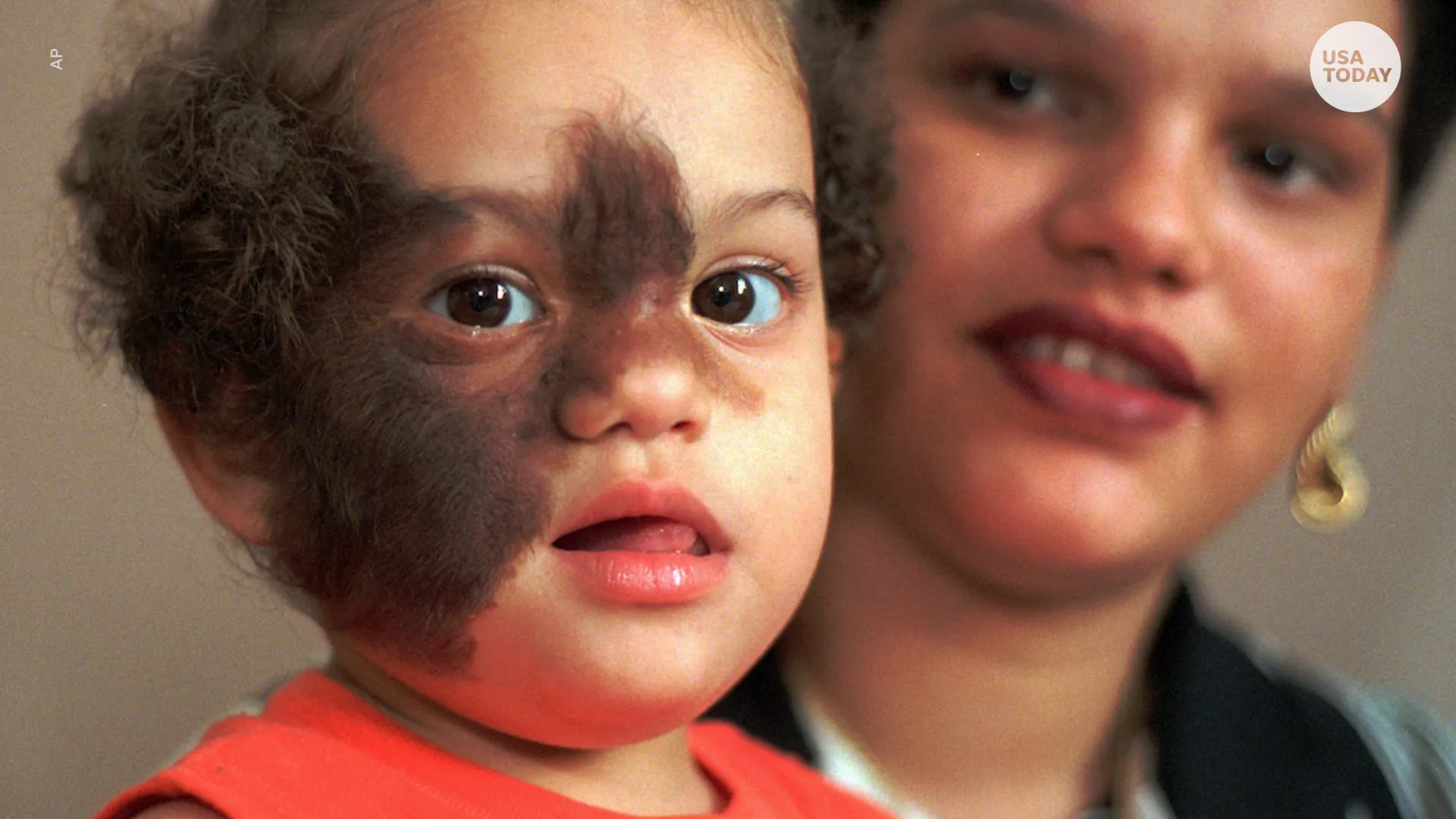
Recent reports from Spain’s Navarra Pharmacovigilance Center have highlighted a surprising and concerning phenomenon: several infants have developed hypertrichosis, commonly known as “werewolf syndrome.”
This rare condition, characterized by excessive hair growth on unusual parts of the body, has been linked to exposure to topical minoxidil, a popular over-the-counter treatment for hair loss in adults. The revelation underscores both the hidden risks of common medications and the importance of safety measures in households with infants.
Understanding Hypertrichosis: The “Werewolf Syndrome”
Hypertrichosis is an extremely rare medical condition that causes abnormal and excessive hair growth in areas where hair typically does not grow or grows sparsely.
Unlike the natural body hair development seen in healthy individuals, hypertrichosis can cause fine hair, sometimes up to 5 centimeters in length, to cover the face, arms, back, and other parts of the body.
This gives the condition its nickname, “werewolf syndrome.” While the condition is medically benign, its symptoms can be distressing and socially challenging for those affected.
There are two primary forms of hypertrichosis: congenital and acquired. Congenital hypertrichosis is present at birth and usually linked to genetic mutations.
Read : Boycott Spain!! New Tourist Rules Spark Outrage Among Netizens
Acquired hypertrichosis develops later in life and can be caused by various factors, including certain medications, environmental exposures, or underlying medical conditions.
Unfortunately, there is no known cure for hypertrichosis. Management typically involves regular hair removal treatments such as shaving, waxing, or laser therapy.
The cases emerging in Spain fall under the category of acquired hypertrichosis. These infants did not inherit the condition; rather, they developed symptoms after being inadvertently exposed to minoxidil, a medication commonly used to combat androgenic alopecia (pattern baldness) in adults.
The Role of Minoxidil in Triggering Hypertrichosis
Minoxidil is a well-known treatment for hair loss and is widely available over the counter. It works by stimulating hair follicles and increasing blood flow to the scalp, which can help promote hair growth.
Approved by the U.S. Food and Drug Administration (FDA) and similar regulatory bodies worldwide, minoxidil is considered safe for adult use. However, its potent effects come with potential risks, especially when it comes into contact with infants.
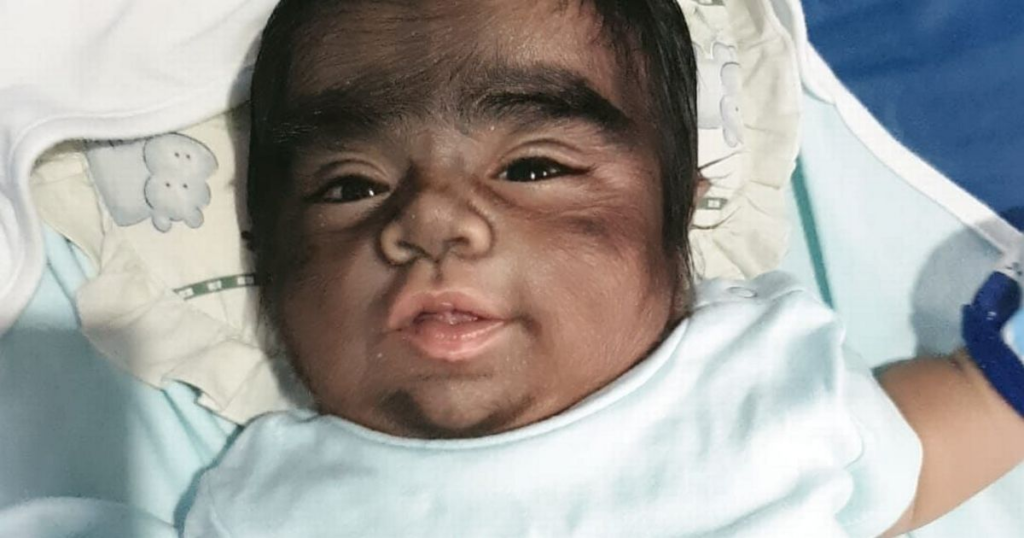
The recent incidents in Spain highlight how seemingly harmless household products can pose unexpected dangers. In the reported cases, parents or caregivers using topical minoxidil solutions inadvertently transferred the medication to their infants.
This could have occurred through skin-to-skin contact, accidental ingestion, or residue left on surfaces and clothing. Once absorbed into the infants’ systems, the minoxidil triggered the abnormal hair growth characteristic of hypertrichosis.
One particularly notable case involved a breastfeeding infant who developed excessive hair growth over a two-month period. Health authorities discovered that the infant’s father had been using a 5% topical minoxidil solution. When the father discontinued the treatment, the baby’s symptoms gradually disappeared.
This pattern was observed in all reported cases in Spain: once exposure to minoxidil stopped, the infants’ abnormal hair growth subsided, reinforcing the link between the medication and hypertrichosis.
Broader Implications and Safety Measures
These incidents raise important questions about the safety of commonly used medications and the potential for unintended consequences. Minoxidil is generally considered safe for adults, but its impact on infants underscores the need for caution, particularly in households with young children.
The European Pharmacovigilance Risk Assessment Committee has emphasized the importance of keeping minoxidil and other potent medications out of reach of children and ensuring that users wash their hands thoroughly after application.

The cases in Spain also serve as a reminder that medications can have powerful systemic effects, even when applied topically. Infants and young children are especially vulnerable due to their smaller body size and developing systems, which can amplify the effects of even trace amounts of medication.
Health experts recommend that caregivers who use minoxidil take extra precautions to avoid direct contact with their children until the medication has fully absorbed.
In a separate but related incident, a two-year-old girl in Malaysia was diagnosed with a congenital form of hypertrichosis, which is distinct from the acquired cases linked to minoxidil.
This case highlights the complexity of hypertrichosis and the importance of accurate diagnosis and treatment. While congenital hypertrichosis is rare and often linked to genetic factors, the acquired form can result from various external influences, including medications like minoxidil.

Healthcare professionals are now calling for increased awareness and education about the risks associated with topical medications. Parents and caregivers need to be informed about the potential hazards and take steps to minimize exposure, especially when using treatments that are not specifically approved for pediatric use.
Lessons from Spain’s Hypertrichosis Cases
The emergence of hypertrichosis in infants due to accidental minoxidil exposure is a sobering reminder of the importance of medication safety. While minoxidil has been a valuable tool in treating hair loss for adults, its unintended effects on infants highlight the need for vigilance and responsible use.
These cases underscore the importance of keeping medications out of reach of children, thoroughly washing hands after application, and being mindful of potential risks.
As investigations continue, the hope is that these incidents will lead to greater awareness and improved safety protocols. For families affected by hypertrichosis, the reversal of symptoms once exposure stops offers a reassuring message: with proper precautions, these rare and distressing cases can be prevented.